 Tampa Roofing
 Every homeowner asking about a new roof wants the same thing first: a number. The honest answer is that no reputable contractor can give you a real number without seeing the roof, because roof replacement cost isn't one price — it's a stack of separate cost drivers that combine differently on every house. This page breaks down what those drivers actually are, so when you do get a written estimate, you understand exactly what you're paying for and why two quotes for the "same" roof can look very different.
Why Roof Pricing Isn't a Single Number
Ask five roofing companies for a "price per square" and you'll get five different answers, because the price per square (100 square feet of roof area) is only meaningful once you know the material, the roof's complexity, and the condition of what's underneath the old shingles. A simple ranch roof and a steep, cut-up roof with multiple valleys and dormers can use the identical shingle product and still land tens of thousands of dollars apart in installed cost. Materials are usually the smallest surprise in the estimate. Labor, access, decking condition, and code compliance are where budgets actually move.
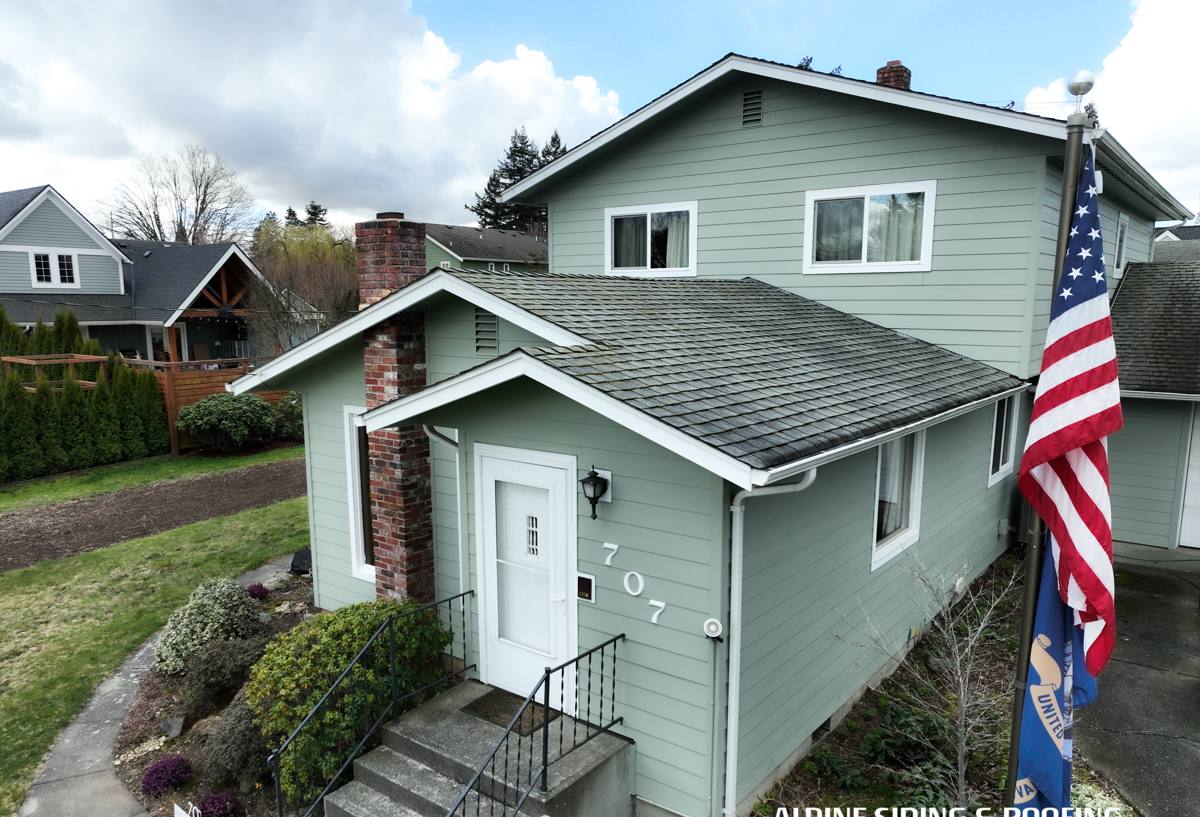
The Core Cost Factors
Roof Size and Complexity
Size drives the baseline, but complexity drives the multiplier. A roof with a lot of hips, valleys, dormers, or roof-to-wall transitions takes more cutting, more flashing, more waste, and more time than a simple gable roof of the same square footage. Steep pitches also slow crews down and require additional fall-protection setup, which adds labor hours regardless of material choice.
Material Choice
Asphalt shingles remain the most common and most budget-friendly option for Tampa homes. Metal roofing costs more upfront but generally lasts longer and handles wind uplift well when installed correctly. Tile — clay or concrete — is popular in this market for its look and durability, but it's heavier, requires structural consideration, and is more labor-intensive to install and repair. Each material also carries its own fastening pattern, underlayment requirements, and flashing details, all of which affect labor time, not just material cost.
Decking Condition
You cannot know the condition of the roof deck (the plywood or OSB sheathing under the shingles) until the old roofing is off. Years of small leaks, attic humidity, or old fastener holes can leave sections of decking soft or delaminated. Replacing damaged decking is priced separately from the base tear-off-and-install job because it's genuinely unpredictable — a contractor who quotes deck replacement into every job either hasn't looked closely or is padding the price for material that may never be needed. The honest approach is a per-sheet price disclosed up front, applied only where the deck actually needs it.
Tear-Off and Layers
Removing one layer of old roofing costs less than removing two, and Florida building code generally does not allow shingles to be installed over more than one existing layer. If a home already has two layers of shingles from a prior re-roof, a full tear-off to bare deck is required, which adds labor and disposal cost that a single-layer tear-off doesn't have.
Permits, Code, and Inspections
Hillsborough County requires a permit for roof replacement, along with mid-job and final inspections. Since Hurricane Andrew, Florida's building code has steadily tightened wind-resistance and attachment requirements for roofing, and homes in wind-borne debris regions — which includes most of the Tampa Bay area — have specific underlayment and fastening standards that didn't exist when older roofs were installed. Bringing an older roof up to current code is not optional add-on work; it's what makes the new roof legal to install and, more importantly, what makes it actually perform in a storm.
Access and Site Conditions
Steep driveways, tight side yards, landscaping close to the house, pools under the roofline, or limited dumpster placement all affect how efficiently a crew can work and stage material. These are minor line items individually but add up on homes with difficult access.
Cost-Factor Comparison
| Factor | Low-Cost Scenario | Higher-Cost Scenario |
|---|---|---|
| Roof shape | Simple gable, few penetrations | Multiple hips, valleys, dormers |
| Pitch | Low to moderate slope | Steep slope requiring extra safety setup |
| Decking | Sound, no replacement needed | Rot or delamination found at tear-off |
| Layers | Single existing layer | Two layers requiring full tear-off |
| Material | Standard asphalt shingle | Metal or tile |
| Access | Open yard, easy staging | Tight lot, pool, limited dumpster access |
What's Included in a Legitimate Roof Replacement
A proper roof replacement is more than shingles nailed to a deck. Understanding the components helps explain where the cost goes:
- Tear-off and disposal of the existing roofing material
- Deck inspection and repair of any compromised sheathing
- Underlayment — the water-resistant barrier between deck and roofing material, sized to current code
- Drip edge and flashing at eaves, valleys, chimneys, walls, and any roof penetrations
- Ventilation components — ridge vents, soffit vents, or other intake/exhaust that keep the attic from trapping heat and moisture
- Field material — the shingles, metal panels, or tile itself
- Fastening to current wind-code standards
- Permit fees and inspections
- Cleanup, including magnetic sweep for nails
If a quote is unusually low compared to others, it's worth asking directly which of these items is missing, reduced, or being substituted with a cheaper alternative.
Climate-Driven Cost Factors Specific to This Region
Tampa's climate isn't a marketing talking point on a roofing estimate — it's a real engineering input. Hurricane-force wind events put direct uplift and shear load on roofing systems, which is why fastening patterns and underlayment specifications here are stricter than in low-wind regions of the country. Intense, near year-round UV exposure accelerates the breakdown of asphalt shingle granules and adhesives faster than in milder climates, which is part of why roof lifespans in Florida tend to run shorter than the same product's rated life up north. Wind-driven rain during storms tests flashing and underlayment details that a calm-weather rain never would — water gets pushed sideways and upward under normal roofing overlaps if those details aren't done correctly. And for homes closer to the coast, salt air accelerates corrosion on exposed metal fasteners, flashing, and metal roofing components, which is a factor worth discussing directly if your property is near the water.
None of this means every roof needs the most expensive option available. It means the underlayment, fastening, and flashing details matter as much as — or more than — the shingle brand printed on the wrapper, and any estimate that skips over those details isn't giving you the full picture of what you're paying for.
Timing and Scheduling Factors That Affect Price
Roofing demand in the Tampa Bay area isn't flat throughout the year. Contractors are typically busiest after storm events and during the peak of hurricane season, when material lead times can stretch and scheduling fills up. Booking a roof replacement proactively — before a leak forces the issue — generally gives you more room to compare quotes, choose materials without pressure, and schedule at a time that isn't competing with storm-recovery demand across the county.
How to Read and Compare Estimates
A written estimate should let you see the job, not just the total. Use this checklist when comparing quotes from different contractors:
- Is the material brand, product line, and warranty class specifically named — not just "shingles"?
- Does the quote state the underlayment type and whether it meets current wind-borne debris region requirements?
- Is tear-off to bare deck included, or is this an overlay?
- Is a per-sheet decking replacement rate disclosed, rather than a vague allowance?
- Are ventilation upgrades or corrections included if the current system is inadequate?
- Does the price include the permit and required inspections through Hillsborough County?
- Is the manufacturer's installation warranty tied to using their full certified system, or a mix of products?
- Is there a clear start date and realistic timeline, given current material lead times?
A lower number that leaves several of these unanswered isn't necessarily a better deal — it may just be deferring cost or risk to you later, either through a shorter effective lifespan or gaps that surface during the next storm.
Signs a Repair Won't Cut It Anymore
Not every roof problem means a full replacement, and a straightforward professional shouldn't push you toward one before it's warranted. Full replacement generally becomes the right call when the roof is nearing or past its expected service life, when granule loss and shingle brittleness are widespread rather than localized, when there are multiple independent leak points instead of one isolated failure, or when the decking shows broad deterioration rather than a single damaged section. Age combined with storm exposure is a common trigger in this area — a roof that's serviceable in year twelve can be pushed past its remaining useful life by one significant wind event.
Insurance and Cost Considerations
Homeowners insurance can factor into roof replacement decisions in this region, particularly after storm damage or as part of a wind-mitigation inspection tied to policy renewal. That's a conversation between you and your insurance carrier or adjuster — a roofing contractor's role is to document the roof's actual condition honestly and provide accurate scope and pricing, not to promise a particular insurance outcome. Be cautious of any contractor who guarantees insurance coverage or encourages inflating a claim; that's a liability for you, not a service.
Every roof and every budget is different, and the only way to get real numbers instead of ranges is to have someone look at the actual roof, decking, and site conditions in person. If you'd like a straightforward, no-pressure estimate on your home, the form below is the easiest way to get started.