 Tampa Roofing
 Roofing Built for Temple Terrace's Older, Tree-Covered Neighborhoods
Temple Terrace has a different character than a lot of newer Tampa-area subdivisions. Many of the neighborhoods here were platted decades ago, and the tree canopy that makes the city attractive to walk or bike through also means roofs deal with more shade, more organic debris, and more branch and limb impact than roofs out in open, newly developed areas. Add in Hillsborough County's humidity, intense UV exposure, and the wind-driven rain and occasional hurricane threat that comes with living near Tampa Bay, and you've got a roofing environment that rewards attention to detail and punishes shortcuts.
We work on homes throughout Temple Terrace and the surrounding Tampa area, and we see the same patterns over and over: shingles that have worn unevenly because of shade cycling, valleys and roof-to-wall junctions clogged with leaf litter, and older homes where the roof deck or flashing details haven't been touched since the original build. None of that is unusual — it's just what happens to a roof in this climate over time. The goal of a good roofing partner isn't to scare you into a premature replacement, it's to tell you honestly what stage your roof is at and what your realistic options are.
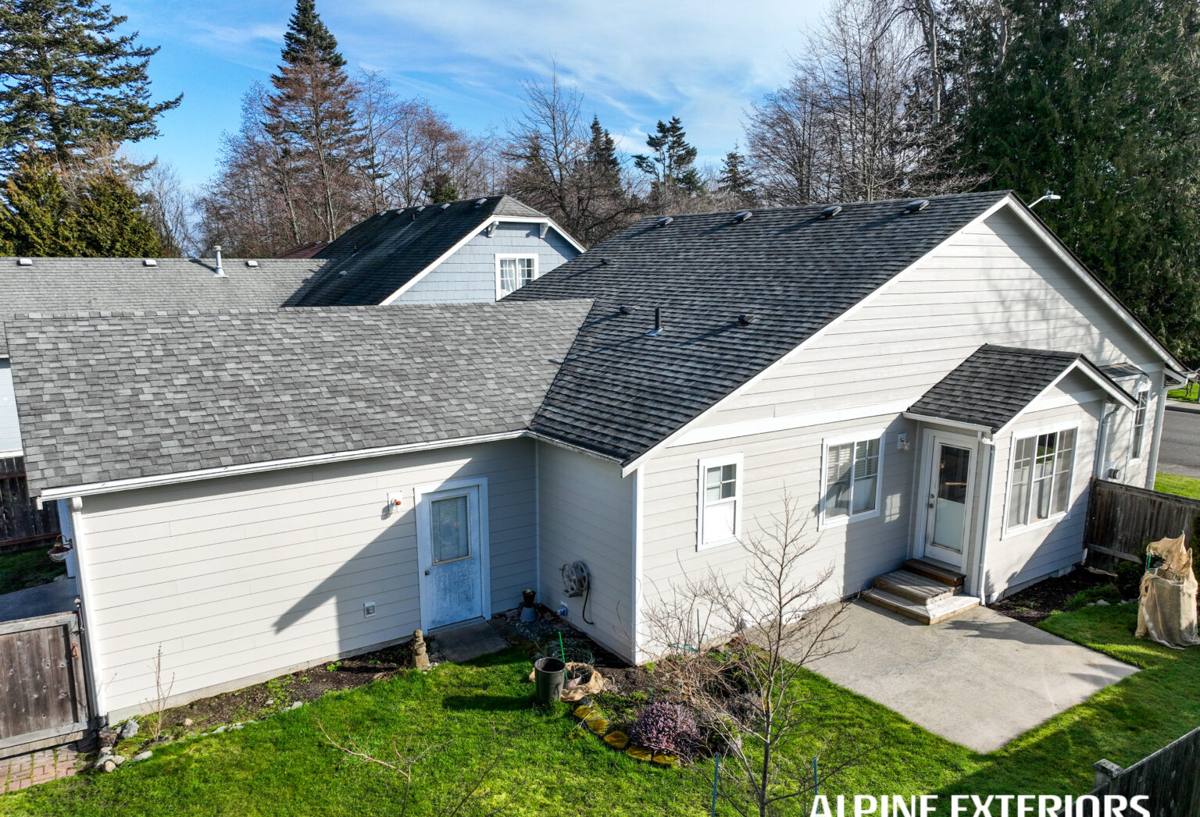
What the Local Climate Actually Does to a Roof
UV and Heat
Central Florida gets some of the most consistent, intense UV exposure in the continental United States. Asphalt shingles lose oils and become brittle over years of that exposure, and dark roofing surfaces can reach very high temperatures on summer afternoons. That heat cycling — hot days, warm nights, then a sudden downpour — is part of what ages roofing materials faster here than in milder climates.
Wind-Driven Rain and Storms
Tampa Bay's storm season brings tropical systems and strong, sideways-blowing rain. Wind-driven rain doesn't behave like a normal rainstorm — it can push moisture up and under shingle edges, through poorly sealed flashing, and into places a roof was never designed to shed water from a straight-down angle. This is why flashing detail and underlayment quality matter as much as the shingles or tiles themselves.
Tree Canopy and Organic Debris
Temple Terrace's mature trees are one of its best features, but they mean more leaf and pollen buildup in valleys, more moss and algae growth on shaded roof sections, and higher odds of limb strikes during storms. A roof under heavy tree cover needs more frequent visual inspection than one in full sun, even if the material itself is holding up fine.
Salt Air
Temple Terrace sits inland from the immediate coast, but Tampa Bay's proximity still means metal fasteners, flashing, and accessories can see accelerated corrosion compared to homes further from the water. It's a smaller factor here than in beachfront communities, but it's part of why we spec corrosion-resistant fasteners and flashing on every job in this area, not just the ones closest to the bay.
Common Roofing Issues We See in This Area
- Granule loss and brittleness on shingle roofs older than 15-18 years, especially on south- and west-facing slopes
- Soft spots or sagging near valleys where debris has trapped moisture against the deck
- Lifted or cracked flashing around chimneys, skylights, and roof-to-wall transitions
- Algae or moss staining on shaded, tree-covered roof sections
- Nail pops and shingle blow-off after wind events
- Clogged gutters and downspouts contributing to fascia and soffit rot
- Aging or missing secondary water barriers on homes built before more recent code updates
Roofing Material Options for Temple Terrace Homes
There's no single "right" roofing material for every home — it depends on your roof pitch, budget, how long you plan to stay in the home, and your tolerance for maintenance. Here's how the common options stack up for this climate:
| Material | Typical Lifespan Here | Storm/Wind Performance | Maintenance |
|---|---|---|---|
| Architectural asphalt shingle | 15-25 years | Good with proper nailing pattern and rated shingle | Low to moderate; periodic debris clearing |
| 3-tab asphalt shingle | 12-18 years | Lower wind rating than architectural | Low; less commonly installed new today |
| Standing seam metal | 30-50+ years | Excellent when properly fastened | Very low; occasional fastener/seam check |
| Concrete or clay tile | 30-50 years | Very good, but individual tiles can crack from impact | Moderate; underlayment beneath tile still ages and needs eventual replacement |
We install and repair all of these. Whichever material a home already has, matching materials or offering a clear, honest comparison when it's time to change systems is part of the estimate — not an upsell pitch.
Repair, Recover, or Full Replacement?
One of the most common questions we get from Temple Terrace homeowners is simply: does this roof need to be replaced, or can it be repaired? A few honest factors go into that answer:
Age and remaining material life
If a shingle roof is past 15-18 years and already showing granule loss or brittleness, a large repair often isn't the best use of money — the surrounding shingles are close behind whatever failed.
Extent and location of damage
A single damaged section, a chimney flashing leak, or storm damage confined to one slope is usually a legitimate repair. Widespread wear, multiple leak points, or deck damage found during a repair usually points toward replacement.
Insurance and permitting factors
Storm-related damage may be a covered insurance claim rather than an out-of-pocket repair. We can document damage clearly, but any insurance claim itself is between you and your carrier — we're not adjusters and won't promise a claim outcome.
What's underneath
On older Temple Terrace homes, we sometimes find deck damage, outdated underlayment, or flashing that was never installed correctly the first time. That's often the real deciding factor, and it's something you can't fully assess from the ground or from photos.
Wind Mitigation and Storm Readiness
Florida's wind mitigation inspection process exists for a reason — the details it checks (roof-to-wall connections, secondary water barrier, roof deck attachment, and shingle wind rating) are the same details that actually determine how a roof performs in a tropical storm or hurricane. A roof can look fine from the street and still be missing the connections that keep it attached in high wind. When we replace or significantly repair a roof, we build to current wind-resistance standards for this area, and a strong wind mitigation report can also lower your homeowners insurance premium — worth asking your insurance agent about after any qualifying roof work.
Why a Local Crew Matters Here
Roofing crews that work across many different climates tend to apply the same general approach everywhere. A crew that works Tampa Bay roofs regularly knows to double down on flashing details because of wind-driven rain, to check valleys more carefully because of tree debris, and to spec fasteners that hold up against the area's humidity and salt air. We're not a national outfit sending a rotating crew — we're based in the Tampa area, we know Hillsborough County's permitting process, and if something needs a follow-up visit after a storm, we're a short drive away, not a call center.
Beyond the Roof: Siding, Windows, and Decks
Roofing problems in this climate rarely stay isolated to the roof. Wind-driven rain that gets past a compromised roof edge can show up as siding staining or rot at the fascia line. Storm winds that damage shingles can also loosen siding panels or crack window seals. Because we handle siding, roofing, windows, and decks, we can look at a home's full exterior envelope in one visit instead of sending you to three different contractors who each only see their own piece of the puzzle. That matters most after a storm, when water intrusion at one point of the home often has downstream effects somewhere else.
A Practical Roof Maintenance Checklist
- Clear leaves and debris from valleys and gutters at least twice a year, more often under heavy tree cover
- Trim tree limbs back from direct roof contact where safely possible
- Look for granule buildup in gutters or downspouts, a sign of accelerating shingle wear
- Check attic spaces after heavy storms for new staining, dampness, or light coming through
- Have flashing around chimneys, skylights, and vents inspected every few years, not just when a leak appears
- Schedule a professional inspection after any named storm that produced sustained high winds in your area
- Keep a record of your roof's age and last inspection date — it matters for insurance and resale
Our Process
We start with an on-site inspection, not a guess from a satellite photo. That means getting on the roof (or using ladder and drone inspection where access is limited) to actually look at shingle condition, flashing, decking, and ventilation before recommending anything. From there, you get a clear explanation of what we found, what your realistic options are, and a written estimate — no pressure, no scare tactics, and no pushing a full replacement when a targeted repair is the honest answer.
If you're in Temple Terrace or anywhere else in the greater Tampa area and want a straight answer about your roof's condition, we're glad to come take a look. The estimate is free, there's no obligation, and you can use the form below to get started.