 Tampa Roofing
 Storm Damage Roof Repair for Temple Terrace Homes
Temple Terrace sits close enough to Tampa Bay that its roofs take the same beating as the rest of Hillsborough County — tropical systems that bring sustained hurricane-force winds, afternoon storms that drive rain sideways under shingles and flashing, and a sun that bakes roofing materials nearly every day of the year. Add in the salt-laden air that drifts inland off the Gulf and the bay, and you have a climate that is genuinely hard on a roof. Storm damage repair here isn't just about patching what's visibly broken after a named storm — it's about understanding how that damage interacts with a roof that's already been stressed by heat, UV, and humidity all year long.
This page covers what storm damage repair should actually involve for a Temple Terrace home, how we approach it, and why local experience with this specific area's roofs and permitting process matters more than a lot of homeowners realize.
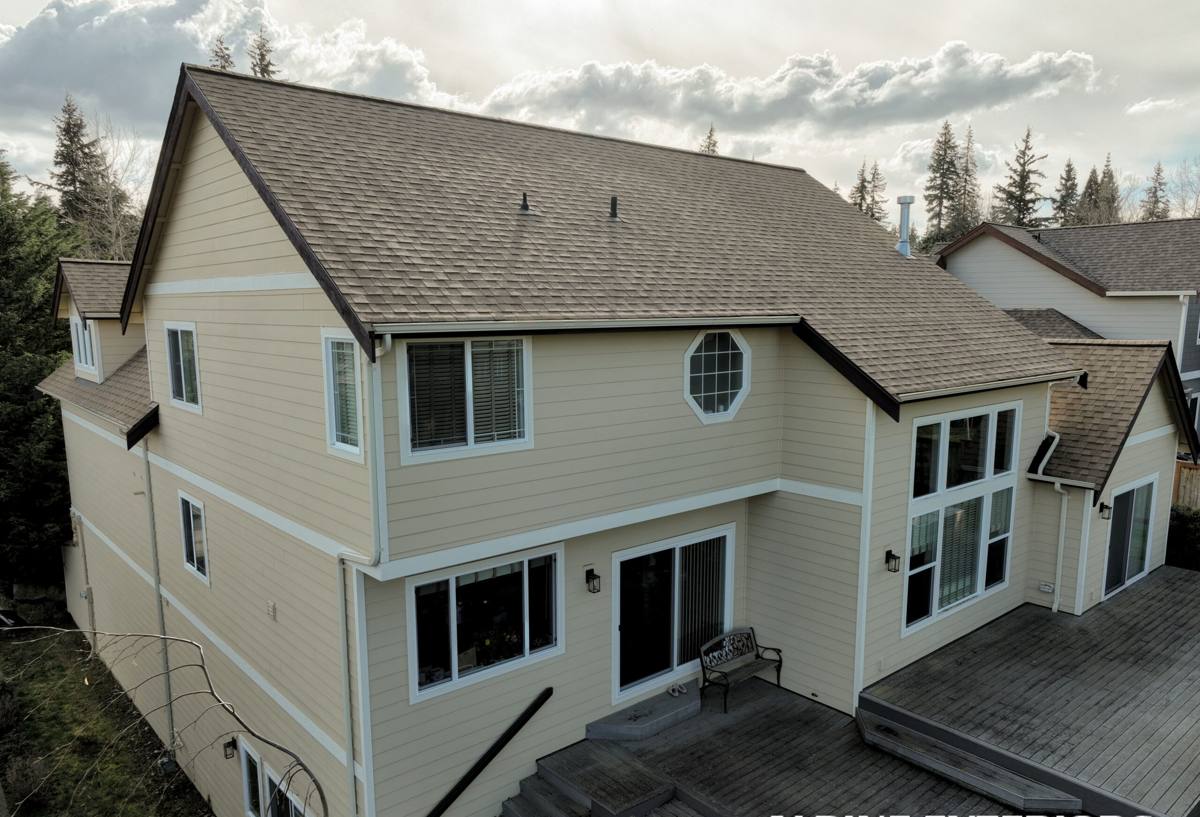
What Tampa-Area Storms Do to a Roof
Wind
Hurricane and tropical-storm-force wind doesn't just rip shingles off — it gets underneath them. Wind lifts the edges of shingles and shingle tabs, breaks the adhesive seal strip, and works loose fasteners that were driven at a slight angle or missed the decking. Once a shingle's seal is broken, it may look fine from the ground but will lift again in the next moderate wind, letting water underneath.
Wind-driven rain
Florida storms rarely drop rain straight down. Wind pushes it sideways and even upward under eaves, into soffit vents, and behind flashing at chimneys, walls, and roof-to-wall transitions. This is why a roof can pass a casual visual check after a storm and still be leaking into the attic — the entry point is often nowhere near the interior stain it eventually causes.
UV and heat
Year-round, intense UV exposure dries out asphalt shingles and breaks down sealants faster than in most other parts of the country. A roof that's already brittle from sun exposure is far more likely to crack or tear during a wind event than a newer, more flexible roof would be.
Salt air
Even at a distance from the immediate coastline, salt-laden air accelerates corrosion on exposed metal — flashing, fasteners, drip edge, and vent components. Corroded metal fails at exactly the connection points that are supposed to keep water out.
Signs of Storm Damage Worth Checking
After any significant wind or rain event, it's worth doing a basic check from the ground and inside the attic if it's accessible. You don't need to get on the roof yourself — most of these signs are visible without climbing up.
- Shingles that look curled, lifted at the edges, or missing granules (often shows up as dark patches or granules collecting in gutters)
- Visible gaps where shingles or ridge cap pieces are missing entirely
- Bent, lifted, or missing flashing around chimneys, skylights, or where a lower roof meets a wall
- New water stains on interior ceilings, especially near exterior walls or around chimneys
- Debris — branches, leaves packed into valleys — that can trap moisture even after the storm passes
- Sagging or soft-feeling spots on the roof deck, viewed from the attic side
- Dented or damaged vent caps, gutters, or metal roof panels
If you see any of these, the roof needs a real inspection — not just a patch on the one spot that's obviously damaged. Storm damage tends to hide near the visible damage, not just at it.
What a Correct Storm Damage Repair Actually Involves
A repair that just replaces the shingles you can see missing is a short-term fix. A correct repair addresses the whole affected section:
Deck and underlayment check
Before any new shingles go down, the roof deck underneath needs to be checked for water intrusion, soft spots, or rot. If the underlayment was compromised, it gets replaced along with the shingles — reusing damaged underlayment just sets up the next leak.
Matching materials, not just any materials
Shingle color and style change over time, and a repair using the wrong shingle stands out and can affect resale appearance. We match as closely as the current product line allows, and when an exact match isn't possible, we're upfront about that before starting.
Flashing and transitions
Most Tampa-area leaks trace back to flashing, not the field of the roof. Any repair touching a chimney, wall transition, valley, or vent penetration should include inspecting and, where needed, replacing that flashing — not just resealing it with caulk, which is a temporary fix at best.
Fastening to current wind standards
Florida's building code has specific nailing and fastening requirements tied to wind zones, and Hillsborough County enforces them through permitting and inspection. A repair that doesn't meet current fastening standards may look fine but will underperform in the next storm — and can complicate insurance claims or a future wind mitigation inspection.
Repair vs. Replacement: How to Think About It
Not every storm-damaged roof needs full replacement, but not every roof should be patched either. The right call depends on the roof's age, the extent of damage, and how much of the roof is affected.
| Factor | Leans toward repair | Leans toward replacement |
|---|---|---|
| Roof age | Under 10-12 years | Near or past expected lifespan |
| Extent of damage | Isolated area (one slope, one section) | Widespread across multiple slopes |
| Underlying deck condition | Sound, dry decking | Rot or repeated water intrusion found |
| Shingle condition elsewhere | Rest of roof still flexible, granules intact | Rest of roof already brittle or granule-bare |
| Insurance scope | Damage limited to specific storm event | Adjuster scopes full roof due to age/wear combined with damage |
We'll give you an honest read on which side of that table your roof falls on — we don't push replacement when a proper repair will genuinely hold up, and we won't recommend a patch job on a roof that's clearly at the end of its useful life.
Insurance and Documentation
Storm damage repairs often involve an insurance claim, and how the damage is documented matters. We photograph and document the damage we find, including areas that may not be obvious from the ground, before any repair work covers it up. That documentation is yours to use with your insurer regardless of who ends up doing the repair work. We're not a public adjuster and won't promise a claim outcome — but a clear, honest damage record helps you have an informed conversation with your insurance company instead of guessing.
Our Process for Temple Terrace Storm Repairs
- Inspection. We check the full roof, not just the reported damage area, including attic access where possible, flashing points, and valleys.
- Documentation. Photos and a written scope of what's damaged and why, so you know exactly what you're paying for and can share it with your insurer if needed.
- Repair plan. A clear explanation of repair vs. replacement, materials involved, and timeline — before work starts.
- The work itself. Deck check, matched materials, correct flashing, and fastening to current code — done by people who work Hillsborough County roofs regularly, not a crew from out of the area.
- Final check. We walk the repair with you before calling the job done.
Why Local Experience in Temple Terrace Matters
A roofing crew that regularly works in and around Temple Terrace knows the permitting process with Hillsborough County, knows which roof styles and ages are common in the area, and can usually get out for an inspection faster after a widespread storm event than a company managing calls across a much larger, disconnected territory. That local familiarity also means we're not guessing at how a given roof type here tends to age or fail — we've seen it enough times to know what to check first.
It also matters for follow-through. Storm season can bring a surge of calls to every roofer in Tampa Bay at once. A company with real local roots has a reputation in the area to protect, which is a better guarantee of a callback than a national storm-chasing outfit that may not still have a local number a year later.
After the Repair: Reducing Future Storm Damage
A few maintenance habits go a long way in this climate:
- Have the roof checked after any major wind event, even if you don't see obvious damage from the ground
- Keep gutters and valleys clear of debris so water has a clear path off the roof
- Trim back overhanging branches that can drop debris or rub against roofing material in high wind
- Schedule a periodic inspection every year or two, given how much UV and heat exposure this area gets
- Address small issues — a lifted shingle, a small flashing gap — before the next storm finds them for you
If your Temple Terrace home has storm damage, or you just want a professional set of eyes on the roof after a recent system came through, we're happy to take a look. Estimates are free, there's no pressure to move forward, and you'll get a straight answer about what the roof actually needs — use the form below to get started.