 Tampa Roofing
 Roofing and Exteriors for Valrico Homes
Valrico sits inland from Tampa Bay in Hillsborough County, and that location shapes what a roof or exterior here actually has to survive. You're far enough from the coast that you're not dealing with direct salt spray the way homes on Bayshore or out toward St. Petersburg are, but Tampa Bay's marine air still drifts inland on prevailing winds, and it adds up over the years on metal fasteners, flashing, and exposed hardware. Combine that with the humidity, the summer thunderstorm pattern, and the real chance of hurricane-force wind gusts during the June-through-November season, and you've got a climate that's genuinely tough on a roof — even without a direct hit from a named storm.
We work throughout the greater Tampa area, and Valrico is one of the communities we're in regularly. That matters for reasons beyond convenience. Roofing and siding problems in this part of Hillsborough County tend to follow patterns — certain subdivisions built in certain decades with certain shingle types, certain drainage quirks around older ranch homes, certain areas where tree canopy holds moisture on a roof longer than it should. A crew that's worked a lot of Valrico roofs recognizes those patterns faster than one seeing the neighborhood for the first time.
What the Climate Actually Does to a Valrico Roof
UV and Heat
Florida sun is intense and it's relentless — Valrico gets close to year-round exposure with little seasonal relief. UV breaks down the oils and resins in asphalt shingles over time, which is why shingles here often show granule loss and brittleness well before they'd show it in a cooler, cloudier climate. Attic heat compounds this: a poorly ventilated attic can push roof deck temperatures high enough to accelerate aging from underneath, not just from sun exposure on top.
Wind-Driven Rain and Summer Storms
Hillsborough County's summer storm pattern brings frequent, often intense, short-duration downpours, and wind direction during these storms can drive rain sideways under loose flashing, around vent boots, or into gaps at roof-to-wall transitions that would never leak in a straight-down rain. This is one of the more common ways we find water intrusion on inspections — not a dramatic hole in the roof, but a small, wind-exposed gap that only leaks when rain comes from the wrong angle.
Hurricane and Tropical Storm Wind
Valrico doesn't get storm surge, but it absolutely gets wind, and inland wind exposure during a hurricane or tropical storm can still be enough to lift shingles, peel back ridge caps, or tear loose siding and soffit that wasn't properly fastened. Wind resistance is as much about installation quality — nailing pattern, fastener count, proper sealing at edges — as it is about the materials themselves.
Humidity and Salt-Influenced Air
Even inland, Tampa Bay humidity stays high most of the year, and that moisture-laden air — carrying trace salt content from the bay — contributes to corrosion on exposed metal: nail heads, flashing seams, gutter fasteners, and any exposed roofing hardware. It's a slower, quieter form of wear than storm damage, but it's steady, and it's part of why we spec corrosion-resistant fasteners and flashing as standard practice, not an upgrade.
Roofing Services We Provide in Valrico
We handle the full range of residential roofing work — not just full replacements. A lot of Valrico homeowners come to us for something smaller first: a repair after a storm, a leak they can't source, or a roof inspection ahead of a sale or insurance renewal.
- Roof inspections and honest assessments of remaining service life
- Storm damage repair, including wind-lifted shingles, damaged flashing, and torn ridge caps
- Leak diagnosis and repair, including hard-to-trace leaks at valleys, penetrations, and wall transitions
- Full roof replacement, including tear-off, deck inspection and repair, underlayment, and new roofing material
- Attic ventilation review, since poor ventilation shortens roof life regardless of the shingle quality
- Gutter and flashing work tied to roof edges and transitions
When we replace a roof, we don't just match what was there before without asking why it failed. If a roof came down early because of ventilation problems or an installation shortcut, we address that root cause rather than repeating it under a new set of shingles.
Siding, Windows, and Decks for the Same Climate
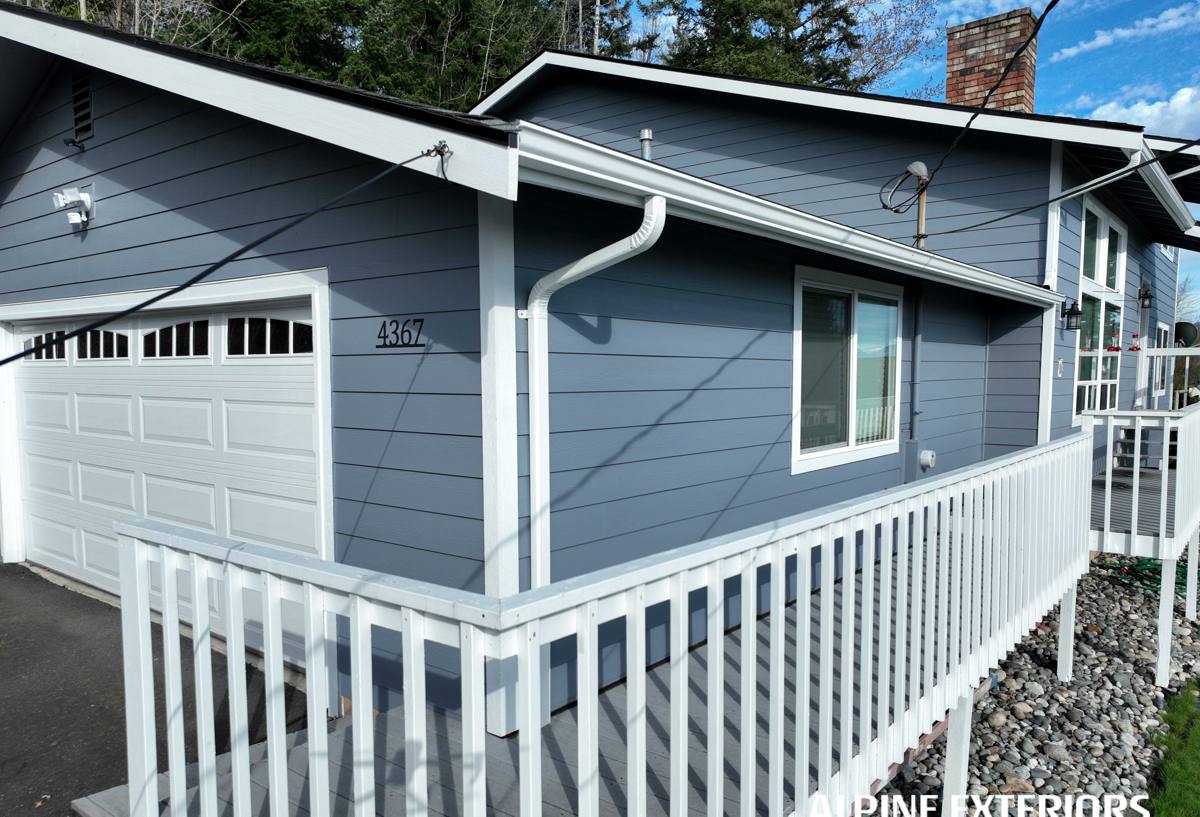
Roofing is one piece of the exterior, but siding, windows, and decks in Valrico face a lot of the same stressors — sun, humidity, wind, and the occasional hard storm — and they need to be treated as a system, not separate projects. Siding that's failing at the seams often points to the same wind-driven rain pattern that damages roofs. Windows with failed seals let humid air and heat into the home, driving up cooling costs in a climate where the AC is already working hard most of the year. Decks, especially wood decks, take a beating from UV and moisture cycling — baking dry in the sun, then swelling with humidity or rain, which is exactly the cycle that loosens fasteners and cracks boards over time.
We install and repair siding, replace and service windows, and build and repair decks with those realities in mind — not generic installation, but installation suited to a hot, humid, storm-prone part of Florida.
Why We're Selective About Certain Products
We don't install every siding or decking material on the market, and that's a deliberate professional standard, not an accident. Some products that perform fine in drier, cooler climates have real moisture-management or maintenance drawbacks in a Tampa-area climate — trapped moisture behind certain siding types, or wood species that need frequent sealing to hold up to our humidity and sun cycle. When we steer a homeowner away from a product, it's because we'd rather explain the trade-off honestly upfront than have them deal with premature failure or a maintenance burden they weren't expecting.
Signs a Valrico Home Needs Exterior Attention
| What You Notice | What It Often Means |
|---|---|
| Granules collecting in gutters | Shingle wear from UV exposure, often a sign the roof is aging toward replacement |
| Water stains on ceilings after wind-driven storms | Possible flashing or vent boot gap allowing sideways rain intrusion |
| Curling or lifted shingle edges | Heat and UV breakdown, or a past wind event that partially loosened shingles |
| Siding gaps or warping | Moisture cycling and thermal expansion, sometimes worsened by wind exposure |
| Foggy or hard-to-open windows | Failed seals or worn frames, both of which hurt energy efficiency |
| Soft or discolored deck boards | Moisture retention, often at fastener points or where drainage is poor |
Cost Factors Homeowners Should Understand
Every home is different, and we don't quote sight unseen, but there are a handful of factors that consistently drive cost on roofing and exterior projects in this area:
| Factor | Why It Matters |
|---|---|
| Roof size and pitch | Steeper or more complex roofs take longer and require more safety equipment and material |
| Extent of deck damage found during tear-off | Rotted or compromised decking under old shingles adds material and labor |
| Material choice | Shingle grade, metal, or other roofing materials vary in upfront cost and expected service life |
| Number of penetrations and valleys | Vents, skylights, chimneys, and valleys each need proper flashing, which adds labor |
| Ventilation upgrades | Adding or correcting attic ventilation extends roof life but adds to the project scope |
| Access and site conditions | Tree cover, steep lots, or tight access can affect labor time |
We walk homeowners through which of these apply to their specific home before we ever put a number in writing.
Why a Local Crew Matters
There's a real difference between a contractor who occasionally works in Hillsborough County and one who's regularly in neighborhoods like Valrico. A local crew knows the permitting process with the county, understands the wind-load and building code requirements that apply to this area, and has a feel for how homes in this region — built across different decades with different materials — tend to age and fail. That local knowledge shows up in small but meaningful ways: knowing which older subdivisions commonly have a particular roofing material that needs specific handling, or recognizing a ventilation problem that's common to a certain home style built in the area.
It also means accountability. If a problem shows up after the work is done, you're not chasing down a company that was passing through — you're calling a crew that's still working in your area next month and next year.
What to Look for When Vetting a Roofing or Exterior Contractor
- Proper state licensing and insurance, verifiable and current
- A written estimate that spells out materials, scope, and timeline — not just a total price
- Willingness to walk you through what they find during inspection, including problems that weren't part of the original ask
- Clear answers about warranty coverage — both manufacturer material warranties and the contractor's own workmanship warranty
- A physical presence and track record in the local area, not just a phone number and a truck
- No pressure to sign same-day, especially after a storm
Get a Free, No-Pressure Estimate
Whether it's a roof that's showing its age, a leak you can't pin down, siding that took a beating in the last storm, or windows and decks that need a straightforward assessment, we're happy to come take a look and give you a clear, honest picture of what your home actually needs. There's no obligation and no pressure — just fill out the form below and we'll get in touch to schedule a time that works for you.