 Tampa Roofing
 Roofing in Valrico: A Different Set of Demands
Valrico sits inland from Tampa Bay in Hillsborough County, which means the roofs here take a slightly different beating than roofs closer to the coast, but a beating all the same. Summers bring long stretches of intense UV exposure that break down shingle granules and dry out underlayment. Afternoon thunderstorms roll through nearly every day for months at a time, often with sideways, wind-driven rain that finds every weak seam, nail pop, and flashing gap a roof has. Then hurricane season adds the real test: sustained high winds and gusts that can lift shingles, tear off ridge caps, and expose decking if a roof wasn't installed to hold.
None of this is unique to any one neighborhood, but it's the baseline every roof replacement in this part of Hillsborough County has to be built around. A roof that's correctly installed for Valrico's climate isn't just about picking a shingle color — it's about the layers underneath that most homeowners never see, and that's where a lot of roofing jobs quietly fall short.
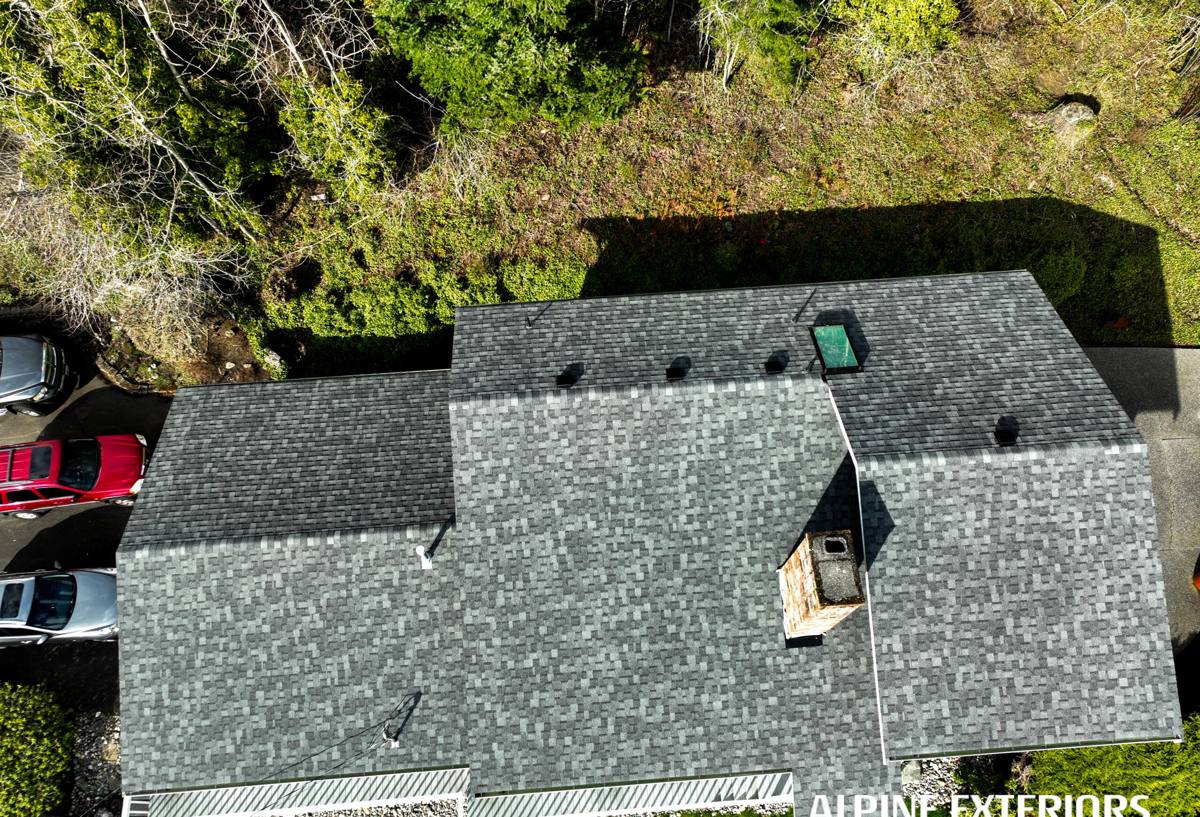
Signs a Valrico Roof Has Reached Replacement Stage
Roofs rarely fail all at once. They tell you they're done long before a leak shows up inside the house. Homeowners in this area should watch for:
- Granule loss showing up in gutters or at the base of downspouts, especially after a heavy rain
- Shingles that look curled, cupped, or cracked, particularly on south- and west-facing slopes that take the most sun
- Soft spots or noticeable sagging anywhere on the roof deck
- Missing or lifted shingles after a windstorm, even if there's no visible leak yet
- Daylight visible through the attic roof boards, or damp insulation after rain
- A roof that's 18-25 years old, depending on the original material and how it was ventilated
- Rising energy bills that track with a hotter-than-usual attic
Any one of these on its own might just mean a repair. Several at once, or a roof that's simply reached the end of its rated life, is usually when replacement makes more sense than continuing to patch.
Why "Just Patch It" Sometimes Costs More
Repairs make sense for isolated damage on a roof with plenty of life left. But once a roof is dealing with widespread granule loss or age-related brittleness, individual shingles nearby will often crack the moment they're disturbed during a repair. At that point, repeated patch jobs start costing more over a few years than a single, properly planned replacement — and they don't solve the underlying issue if the underlayment or decking is already compromised.
What a Correct Roof Replacement Actually Involves
A roof replacement is not just stripping old shingles and nailing down new ones. In a climate like Hillsborough County's, the parts you don't see are what determine whether the roof holds up through its first real storm season.
Tear-Off and Deck Inspection
Every existing layer comes off down to the deck. This is the only point where hidden damage — soft wood, old leaks, rot around a chimney or vent — actually becomes visible. Any compromised decking should be replaced before anything new goes down, not covered up.
Underlayment
This is the roof's real waterproofing layer, and it matters more here than in drier climates. A synthetic underlayment, with self-adhering ice-and-water membrane at eaves, valleys, and penetrations, gives the roof a second line of defense against the wind-driven rain that's routine in a Tampa Bay summer storm.
Flashing
Flashing around chimneys, skylights, sidewalls, and roof-to-wall transitions is where most leaks actually start — not in the open field of the roof. New flashing, properly lapped and sealed, should go in with the replacement rather than being reused.
Fastening for Wind
Florida building code sets minimum nailing patterns and wind-uplift standards for a reason. In this part of the state, that generally means six-nail patterns on shingles rather than the four-nail minimum used in calmer climates, along with proper starter strip and ridge cap installation. This is the single biggest factor in whether a roof loses shingles in a strong storm.
Ventilation
An attic that can't breathe cooks the underside of the new roof from below, shortening its life regardless of how good the shingles are. Balanced intake (soffit vents) and exhaust (ridge or box vents) keep attic temperatures down and reduce moisture buildup.
Comparing Roofing Materials for This Climate
There's no single "best" material for every home — it depends on budget, roof shape, and how long you plan to stay in the house. Here's how the common options stack up for a Hillsborough County home:
| Material | Typical Lifespan | Wind/Storm Performance | Relative Cost |
|---|---|---|---|
| 3-Tab Asphalt Shingle | 15-20 years | Lower wind rating; budget option | Lowest |
| Architectural (Dimensional) Shingle | 20-30 years | Good, especially with proper nailing and sealant strips | Moderate |
| Metal (Standing Seam or Panel) | 40-50+ years | Excellent uplift resistance; handles wind-driven rain well | Higher upfront |
| Concrete or Clay Tile | 40-50+ years | Very good if properly fastened; heavier, needs structural check | Higher upfront |
Architectural shingles remain the most common choice locally because they balance upfront cost with solid performance when installed correctly. Metal has gained ground with homeowners planning to stay long-term or looking to reduce cooling costs, since it reflects more heat than shingles. Tile is often tied to the home's original architectural style and generally makes sense to match rather than switch away from, given the structural considerations involved.
A Word on Underlayment and Warranty Structure
Manufacturer warranties on shingles are frequently written with specific underlayment and installation requirements attached. Skipping the specified underlayment, or using a lesser fastening pattern to save time, can quietly void part of that warranty even if the shingles themselves are top quality. We install to the manufacturer's documented system — shingle, underlayment, starter, and ridge from the same product line — specifically so the warranty stays intact if it's ever needed.
How Our Process Works
- Roof inspection and estimate. We walk the roof (or inspect from the ground/drone where needed), check the attic for ventilation and moisture issues, and give an honest assessment of repair versus replacement.
- Material selection. We go over the options that fit your budget and the look of the home, including realistic lifespan expectations for each.
- Permitting. Roof replacements in Hillsborough County require a permit and inspection. We handle that paperwork so it's not on you to navigate.
- Scheduling around weather. Florida's rain patterns mean timing matters. We plan tear-off and dry-in to minimize the window your home is exposed, and we don't leave a roof open overnight if it can be avoided.
- Tear-off, deck repair, and dry-in. Old roofing comes off, the deck gets inspected and repaired as needed, and underlayment goes down the same day whenever possible.
- Installation. New roofing system goes on per the manufacturer's specified nailing pattern and flashing details.
- Cleanup and final inspection. Magnetic sweep for nails, debris removal, and a final walkthrough with the county inspector and with you.
Why a Crew That Already Works Valrico Matters
Roofing crews that work a specific area regularly build up things that are hard to shortcut. They know Hillsborough County's permitting and inspection process well enough to avoid delays. They've seen how different roof orientations and tree cover in this area affect wear patterns. And they're not learning the local wind and rain exposure for the first time on your roof — they've already accounted for it on other jobs nearby.
There's also a practical follow-up benefit: a local crew is reachable after the job is done if a question comes up, and isn't disappearing to the next county the day after final payment clears.
Insurance, Wind Mitigation, and Storm Considerations
Florida homeowners insurance is increasingly tied to roof condition and age, and many carriers now require a wind mitigation inspection to apply storm-related discounts. A new roof installed to current code — proper nailing pattern, sealed roof deck, approved impact or wind-rated materials — can improve your wind mitigation report and, in some cases, lower your premium. We can point out which upgrades are worth discussing with your insurance agent, though the final coverage and pricing decisions are always between you and your carrier.
It's also worth understanding what "wind-rated" actually means for a shingle: it refers to laboratory testing under specific fastening patterns. A shingle rated for 130 mph winds only performs that way if it's installed with the nailing pattern the rating assumes — which is one more reason installation quality matters as much as the material itself.
After Installation: What to Expect
A properly installed roof shouldn't need much attention, but a little seasonal awareness goes a long way in this climate:
- Keep gutters clear so water doesn't back up under the roof edge during heavy rain
- Trim back overhanging branches that drop debris or scrape shingles in wind
- After a major storm, a quick visual check (or a call to us) for lifted shingles or debris is worth the five minutes
- Keep a copy of your roofing invoice and warranty paperwork — it's often requested during insurance renewals
- Watch for ceiling stains or musty attic smells, which are early signs of a leak worth addressing quickly
We stand behind our workmanship and will walk you through the manufacturer warranty terms for whatever material you choose, so you know exactly what's covered and for how long.
Get a Straight Answer on Your Roof
If your Valrico home's roof is showing its age, or you just want an honest read on how much life it has left, we're glad to take a look. There's a free, no-pressure estimate form below — fill it out and we'll get back to you with a clear assessment, not a sales pitch.