 Tampa Roofing
 Siding in Seminole Heights Has a Different Job to Do
Seminole Heights sits in one of Tampa's older, tree-canopied residential pockets, and that history shows up on the exterior of its homes. Many houses in the neighborhood started life with wood lap siding, and decades of Florida weather have been working on those walls ever since. Hillsborough County sees intense year-round UV, long stretches of high humidity, wind-driven rain during summer storms, and the real possibility of hurricane-force wind gusts during the season. Add proximity to Tampa Bay's salt air and you have an exterior material stress test that runs twelve months a year, not just during a named storm.
Siding here isn't just a cosmetic layer. It's the first line of defense that keeps wind-driven moisture out of wall cavities, resists UV breakdown that fades and chalks lesser materials, and needs to hold a fastener and a paint finish through repeated wet-dry cycles without cupping, splitting, or rotting. That's the standard we hold every Seminole Heights siding job to, and it's why we install James Hardie fiber cement exclusively rather than mixing in vinyl, LP SmartSide, or raw wood options.
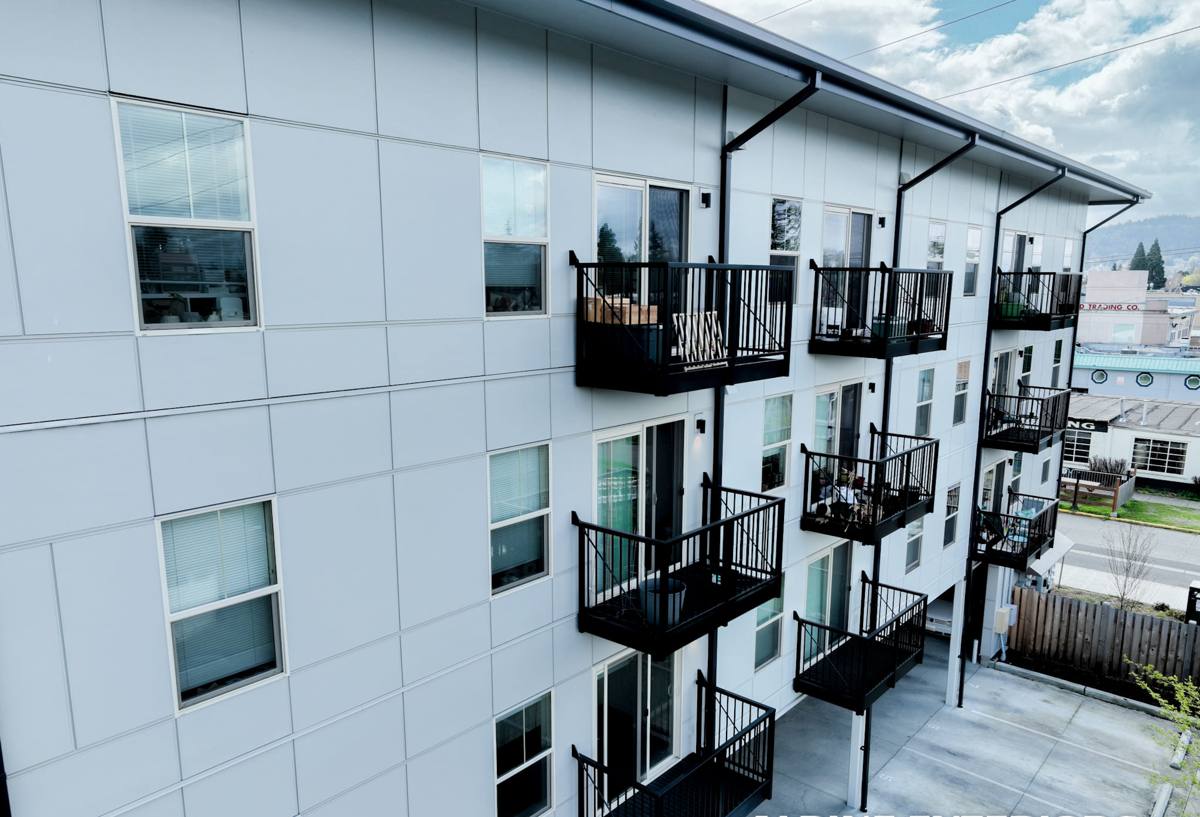
What Seminole Heights' Housing Stock Means for the Job
The neighborhood's mix of early-to-mid-century bungalows, Craftsman-style homes, and later infill construction means siding crews run into a range of wall conditions on any given block. Older homes may have layers of paint over original wood siding, uneven sheathing, or plumbing and electrical penetrations that were never properly flashed. Newer or renovated homes may already have house wrap and modern framing but still need siding matched to the home's existing trim, window casings, and roofline.
None of that is unusual, but it does mean a Seminole Heights siding job is rarely a simple strip-and-replace. A crew that hasn't worked this kind of housing stock before can miss things a local crew catches automatically: hidden rot under old wood siding, undersized or missing flashing at windows and doors, or trim details that need to be preserved or replicated to keep the home looking right. Working this neighborhood regularly means we already know what to expect before the tear-off even starts.
Common Conditions We Look For
- Rotted or delaminated sheathing hidden behind old wood or aluminum siding
- Missing or failed flashing at window heads, door casings, and roof-to-wall transitions
- Gaps or old caulk failures around utility penetrations (hose bibs, vents, electrical)
- Undersized or absent weep/drainage paths at the base of walls
- Trim and fascia that need repair or replacement alongside the siding itself
Why We Install Only James Hardie Fiber Cement
We don't offer vinyl, LP SmartSide, Cemplank, Allura, or bare cedar and spruce siding, and that's a deliberate standard, not a limitation of what we know how to install. Vinyl softens, warps, and can crack in direct Florida sun and doesn't hold up well against wind-driven debris in a strong storm. Wood siding, even when treated, is an ongoing maintenance commitment against rot and insects in a humid climate like this one, and it's combustible. LP SmartSide and other engineered wood products perform reasonably well when installation and caulking are perfect and stay perfect, but any lapse in edge sealing or ongoing maintenance opens the door to moisture intrusion and swelling at the edges.
James Hardie fiber cement is non-combustible, doesn't support rot or termite damage the way wood-based products can, and is engineered specifically for humid, high-UV climates through Hardie's HZ10 product line for this region. The factory-applied ColorPlus finish is baked on under controlled conditions and holds color far longer than field-applied paint typically does, which matters in a climate where UV exposure is relentless. We stand behind the installation with Hardie's product warranty backing us up, and we've standardized on it because it's the material we're comfortable putting our name behind on every home we touch in this neighborhood.
What a Correct Fiber Cement Installation Actually Involves
Fiber cement siding is only as good as the installation behind it. Hardie's product warranty itself is conditioned on installation following their written specifications, and skipping steps is the single biggest reason a siding job underperforms in a climate like Tampa's.
Water Management Comes First
Before a single plank goes up, the wall needs a continuous water-resistive barrier, properly lapped and taped at seams, with flashing integrated at every window, door, and penetration so water is directed out and away from the sheathing rather than trapped behind the siding. In a neighborhood with wind-driven rain during summer thunderstorms and tropical systems, this layer matters more than the visible siding itself.
Clearances and Fastening
Hardie specifies minimum clearances from the siding to roof lines, decks, and grade, along with specific fastener types, spacing, and penetration depth. Fasteners driven too shallow or too deep, or spaced incorrectly, compromise wind resistance exactly when a home needs it most.
Joints and Caulking
Butt joints, corners, and trim intersections need to be sealed with a high-quality, paintable sealant rated for exterior use, not just cosmetically caulked. Poor joint work is one of the most common ways moisture finds its way behind fiber cement siding over time.
Painting and Finish Care
Factory ColorPlus finish is engineered to resist fading, but field-cut edges need touch-up sealing per Hardie's specification to maintain both the finish and the warranty. This is a small detail that's easy to skip and important not to.
Our Process for a Seminole Heights Siding Project
- On-site assessment — We inspect the existing siding, sheathing condition, trim, and any problem areas (rot, prior water intrusion, flashing gaps) before quoting the job.
- Scope and product selection — We walk through the applicable HardiePlank, HardiePanel, or HardieShingle options and ColorPlus color choices based on the home's style and your preferences.
- Removal and substrate repair — Old siding comes off, damaged sheathing is repaired or replaced, and the wall is brought to a sound, dry condition before anything new goes on.
- Water-resistive barrier and flashing — House wrap and flashing are installed and integrated at every penetration per manufacturer spec.
- Siding installation — Panels or planks are installed to Hardie's fastening, clearance, and joint specifications.
- Trim, caulking, and finish detail — Joints are sealed, cut edges are treated, and trim is finished to match the home.
- Final walk-through — We review the completed work with you before considering the job done.
Matching the Product Line to the Climate
James Hardie's HardieZone system accounts for regional climate differences, and Hillsborough County falls in the HZ10 zone, engineered specifically for hot, humid, high-moisture climates like Florida's. That's a meaningful distinction from siding rated for drier or colder regions — it affects the formulation used to resist moisture-related issues over the long term. For Seminole Heights homes, we typically work with:
- HardiePlank lap siding — the most common choice, available in a range of styles from smooth to traditional woodgrain texture
- HardieShingle siding — for homes where a shingle or shake look fits the architecture
- HardieTrim — for window casings, corner boards, and fascia to match the siding system
Cost Factors on a Seminole Heights Siding Project
Every home is different, but the same handful of variables drive most of the cost difference between jobs in this neighborhood. We give honest, specific numbers during an in-person estimate rather than a broad online quote, because these factors vary house to house.
| Factor | Why It Matters |
|---|---|
| Substrate condition | Rotted or damaged sheathing found during tear-off adds repair work before siding can go on |
| Home size and wall complexity | More corners, gables, and trim detail mean more labor and material cuts |
| Siding profile chosen | Lap siding, shingle-style, and panel systems differ in material and labor cost |
| Existing siding removal | Multiple layers of old siding or extensive prep add time versus a single-layer tear-off |
| Trim and accessory work | Matching or replacing window trim, fascia, and corner boards adds scope beyond the field siding |
| Access and lot conditions | Mature trees, tight lot lines, and older detached structures common in this neighborhood can affect staging and labor time |
Why Hiring a Crew That Knows Seminole Heights Matters
Siding installed to spec in a dry, mild climate can get away with more slack than siding installed here. A crew that hasn't worked Tampa's humidity, storm patterns, and salt-air exposure before may not weight water management and joint detailing the way the climate actually demands. Working this specific neighborhood repeatedly also means we're used to the age and construction patterns of its homes, so surprises during tear-off are the exception rather than the rule, and we can usually flag likely issues during the initial walk-through instead of after demolition has already started.
It also means we understand the practical side of working in an established, tree-lined neighborhood: coordinating around mature landscaping, keeping a tidy job site on streets with less setback than newer subdivisions, and communicating clearly with neighbors when a project is underway.
Maintaining Fiber Cement Siding in This Climate
One of the reasons we standardized on James Hardie is that the maintenance burden after installation is genuinely lower than the alternatives, but "lower" doesn't mean zero. A simple annual routine keeps the investment protected:
- Rinse the exterior periodically to remove salt air residue, pollen, and mildew buildup
- Inspect caulked joints and touch up any cracking or separation before the next storm season
- Check that gutters and downspouts are directing water away from siding at grade level
- Look over trim and cut-edge areas for any exposed unpainted fiber cement
- Address any impact damage promptly rather than letting it sit through a rainy season
Done consistently, this keeps the ColorPlus finish looking factory-fresh far longer than repainting a wood exterior every few years, and it's a fraction of the maintenance vinyl or wood siding demands in a climate this humid.
Get a Straight Answer on Your Home
If your Seminole Heights home has siding that's showing its age — fading, warping, soft spots, or visible gaps at the trim — it's worth having someone look at it in person before the next storm season rather than after. We'll walk the exterior with you, point out what we actually find, and give you a clear, no-pressure estimate for James Hardie fiber cement siding built for this neighborhood's climate. Use the form below to request a free estimate.