 Tampa Roofing
 Roofing and Exterior Services for Land O' Lakes Homeowners
Land O' Lakes sits in the northern part of the Tampa Bay area, and while it feels a step removed from the coastline, the exterior of your home doesn't get much of a break because of it. Homes here still deal with the same wind-driven rain, punishing summer UV, and humidity swings that hit the rest of Hillsborough and Pasco County. What's changed over the past couple decades is the pace of growth — new rooftops, new subdivisions, and a mix of older homesteads sitting next to homes built in the last ten years. Whatever era your house was built in, the exterior materials on it are working against the same Florida climate, just on different timelines depending on age and original build quality.
Tampa Roofing Co works throughout the greater Tampa region, and Land O' Lakes is a regular part of our service area. We handle roofing, siding, windows, and decks — the systems that actually keep water, wind, and sun out of your house. We're not a call center dispatching to whoever's available; we send a local crew that knows what Central Florida weather does to a roof or a wall system over time, and we price the job honestly based on what we actually find, not a generic estimate written before anyone's been on the roof.
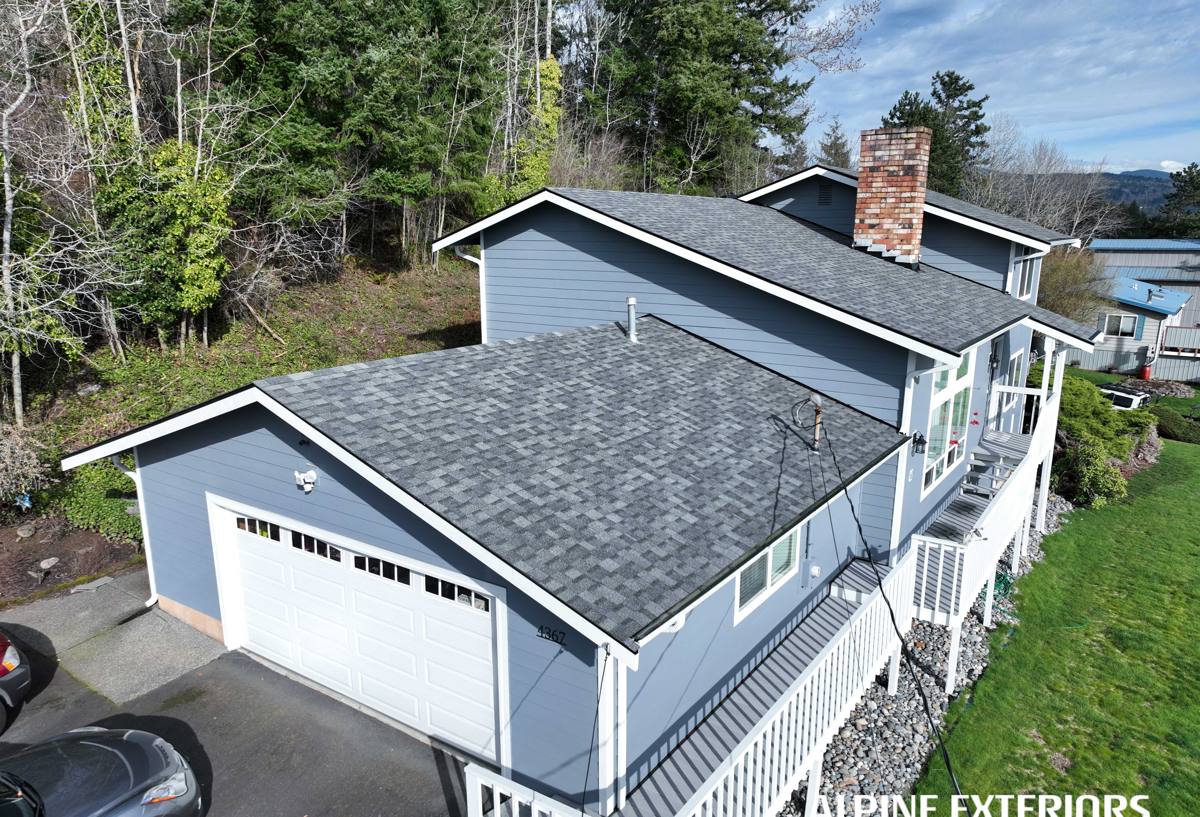
What the Climate Does to Homes in This Area
Sun and Heat
Florida sun is relentless almost year-round, and it's harder on exterior materials than most homeowners realize. UV breaks down asphalt shingle granules, dries out caulking and sealants, and fades and embrittles vinyl and composite siding over time. Attic heat buildup during summer months also stresses roof decking and shingles from underneath, which is one reason attic ventilation matters as much as the roofing material itself.
Wind-Driven Rain and Storm Systems
Land O' Lakes isn't directly on the water, but it's still squarely in the path of the same tropical systems, seasonal thunderstorms, and occasional hurricane-force wind events that affect all of Hillsborough County. Wind-driven rain doesn't fall straight down — it gets pushed sideways and upward under shingle edges, around window flashing, and into any gap in siding that wouldn't be a problem in a calmer climate. Most of the water damage we find inside attics and walls traces back to small entry points that wind-driven rain found and exploited over several storm seasons.
Humidity and Moisture Cycling
Even without storms, this area's baseline humidity means exterior materials are constantly absorbing and releasing moisture. That cycling is hard on wood-based products, stresses paint and caulk joints, and creates the kind of environment where hidden leaks turn into rot or mold before they're ever visible from the outside.
Salt Air
Land O' Lakes is far enough inland that salt exposure is lighter than it is on the coast, but Tampa Bay's salt air still travels with the wind, and metal components — flashing, fasteners, gutter hardware — can corrode faster here than they would further from the water. It's a slower version of the same problem coastal Tampa homes deal with, which is why we still spec corrosion-resistant fasteners and flashing as standard practice, not an upgrade.
Roofing: What We Look At and Why
A roof inspection here isn't just "how do the shingles look." We check the full system: decking condition, underlayment, flashing at every penetration and valley, ventilation, and the age and wear pattern of the roof covering itself. A roof that looks fine from the driveway can still have compromised flashing or soft decking underneath — issues that only show up in a hands-on inspection.
Common Roofing Materials We Work With
- Asphalt shingles — the most common choice in this area; performance depends heavily on proper installation, wind rating, and ventilation, not just the shingle brand
- Metal roofing — strong wind and longevity performance, a growing choice for homeowners planning to stay long-term
- Tile roofing — common on homes in this region; durable but requires careful attention to underlayment since the tile itself isn't the only thing keeping water out
We'll walk you through the honest trade-offs of each — install cost, expected lifespan under this climate, maintenance needs, and how they hold up to wind — rather than pushing whatever's easiest for us to install.
Siding: Matching the Material to the Climate
Siding takes a different kind of abuse than roofing — constant UV on vertical surfaces, wind-driven rain hitting it directly, and expansion/contraction from heat cycling. We install and repair fiber cement and vinyl siding, and we're upfront about where each fits.
Fiber cement holds paint longer, resists moisture-related swelling, and handles direct sun exposure with less fading over time, which is why it's become a common upgrade choice in this region. Vinyl siding is a legitimate lower-cost option, but it's more sensitive to installation quality — panels installed too tight can buckle with heat expansion, and impact damage from wind-blown debris is more common than with fiber cement. We'll size the job to your budget and be straightforward about which material fits your goals for the home, whether that's lowest upfront cost or lowest long-term maintenance.
Windows: Sealing Out Wind and Water
Old or poorly sealed windows are one of the more overlooked sources of water intrusion during Florida storms. Wind-driven rain finds failed caulking and worn weatherstripping fast. When we replace or reseal windows, we're paying attention to flashing integration with the surrounding wall or siding system — a window can be a good product and still leak if it's not tied into the wall correctly. Impact-rated and energy-efficient window options are worth discussing if you're also dealing with high cooling costs, which is common given how much of the year AC runs in this part of Florida.
Decks: Built for Sun, Rain, and Humidity
Outdoor living spaces get hit with the same UV and moisture cycling as the rest of the exterior, but decks also deal with standing water, foot traffic, and ground-level humidity. Wood decking needs consistent maintenance — sealing, staining, and hardware checks — to hold up here. Composite decking costs more upfront but resists moisture absorption and UV fading better over the long run, which matters when the deck is exposed to Florida sun most of the day. We can walk you through both during a free estimate, based on how you actually plan to use the space.
Cost Factors: What Actually Drives the Price
| Factor | Why It Matters |
|---|---|
| Roof/siding size and pitch | More material and more difficult access increase labor time |
| Material choice | Asphalt vs. metal vs. tile, or vinyl vs. fiber cement, carry very different material and install costs |
| Underlying damage found | Soft decking, rotted sheathing, or compromised framing add repair scope beyond the surface material |
| Wind rating and code requirements | Florida building code has specific wind and fastening requirements that affect materials and labor |
| Ventilation and flashing work | Proper attic ventilation and flashing detail add labor but prevent premature failure |
We give estimates after an actual inspection, not a phone-quoted guess, because the difference between a roof with sound decking and one with hidden water damage can change the scope significantly.
Why a Local Crew Matters
A crew that works this region regularly knows what to expect: how tile roofs in this area tend to age, which flashing details fail first under Hillsborough County storm patterns, and what inspectors are checking for locally. That familiarity means fewer surprises mid-project and fewer callbacks after the first big storm season. It also means someone answering the phone who actually knows the job site, not a dispatcher reading from a screen.
A Simple Pre-Storm Season Checklist
- Check for missing, cracked, or lifted shingles or tiles, especially after any windstorm
- Look at caulking around windows and door frames for cracking or gaps
- Inspect siding for warping, buckling, or panel separation
- Clear gutters and downspouts so water isn't pooling against the roofline or walls
- Check attic ventilation isn't blocked, especially before peak summer heat
- Walk the deck for soft spots, loose fasteners, or finish wear
None of these take long to check, and catching a small issue before hurricane season or before the next heavy rain event is a lot cheaper than repairing water damage after the fact.
Get a Free, No-Pressure Estimate
If you're noticing any of the issues above, or just want an honest read on where your roof, siding, windows, or deck stand, we're happy to come take a look. There's no pressure and no obligation — just a straightforward assessment from a crew that works in Land O' Lakes and the surrounding Tampa area regularly. Use the form below to request your free estimate.