 Tampa Roofing
 Board & Batten Siding Built for Land O' Lakes
Board and batten has become one of the most requested looks in Land O' Lakes over the past several years — the vertical lines read as modern farmhouse on a new build and as a clean refresh on an older ranch or two-story. It's a striking style, but in the Tampa Bay climate it's also an unforgiving one if the wrong material or a rushed install goes behind it. Every seam, every batten joint, and every fastener line is a place where wind-driven rain can find a way in if the system underneath isn't done right.
This page is specifically about board and batten siding for Land O' Lakes homes — what the local climate demands from it, what a correct installation actually involves, and why a crew that already works this part of the Tampa Bay area gets better, more predictable results than a company driving in from out of the region for a one-off job.
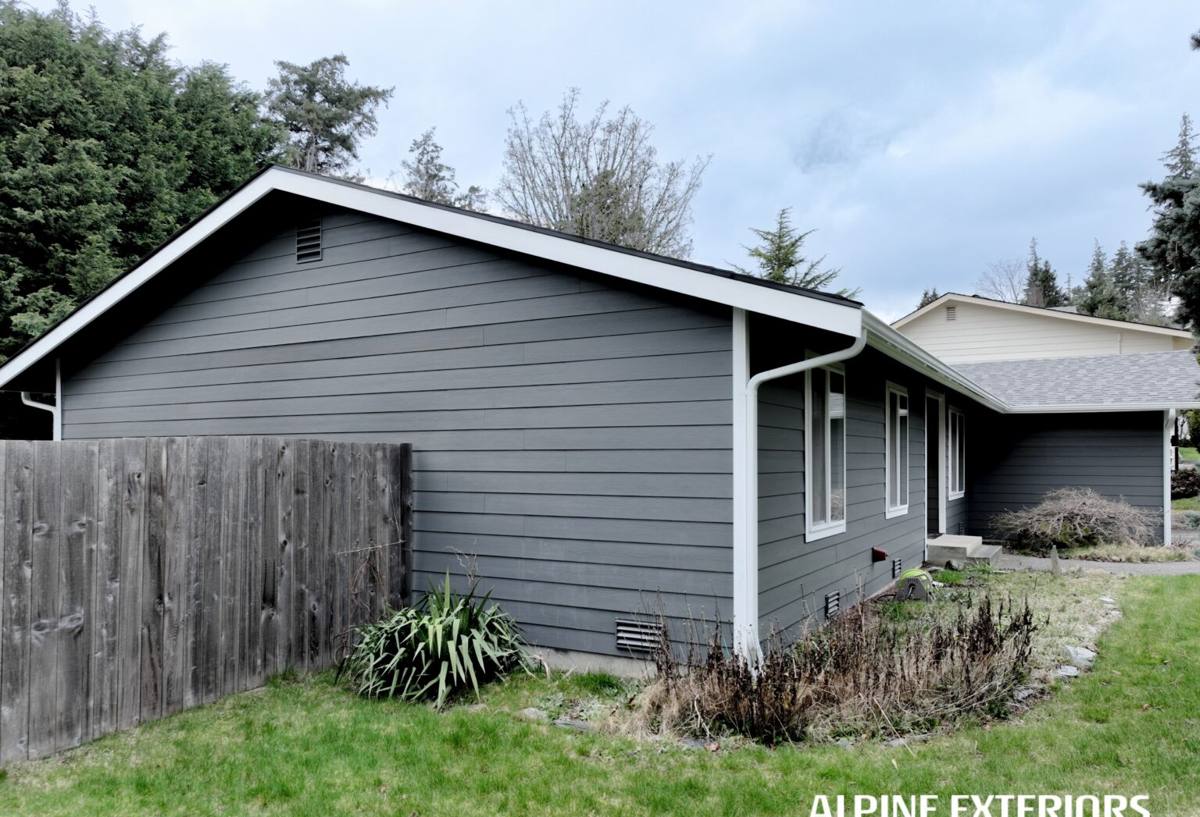
What Land O' Lakes' Climate Does to Board & Batten Siding
Land O' Lakes sits inland from the Gulf, but it doesn't escape the weather pattern that defines the whole Tampa Bay region. Hurricane season brings sustained high winds and heavy wind-driven rain that gets forced sideways into vertical seams and batten joints — exactly the detail lines that make board and batten look good and also the detail lines most likely to leak if they're not flashed and fastened correctly. Between storms, it's near-constant Florida UV baking painted surfaces and afternoon humidity keeping moisture in the wall assembly longer than it would in a drier climate. Even this far inland, the same salt-tinged air that corrodes fasteners and hardware closer to the coast reaches communities across the region over time.
Vertical board and batten has more linear seams per square foot than lap siding, which means more places for water to test the installation. That's not a reason to avoid the style — it's a reason to insist on a system engineered for this climate and installed by people who understand where the failure points actually are.
Where Board & Batten Actually Fails
- Battens face-nailed directly through boards without accounting for expansion, causing splitting and cracked caulk lines within a few seasons
- Missing or undersized weather-resistant barrier behind the panels, so any water that gets past the surface has nowhere to go but into the sheathing
- Butt joints and inside/outside corners left unflashed or sealed with caulk alone instead of proper metal flashing
- Fastener spacing that doesn't meet the wind-load fastening schedule required for this region, leaving panels vulnerable during high-wind events
- Bottom edges set too close to grade or hard surfaces, wicking moisture up into the material
Why We Only Install James Hardie for This Look
Board and batten can be built out of several materials, but our crews install James Hardie fiber cement exclusively, and this style is a good example of why. Wood board and batten looks great on day one and then asks for repainting, caulking, and rot repair on an ongoing basis — the Florida humidity and UV cycle just doesn't let painted wood coast for long. Vinyl board-and-batten panels are lightweight and low-maintenance, but they flex and expand with heat, which shows at the batten lines, and they're not rated for the wind speeds this region can see in a serious storm.
James Hardie's fiber cement panels are non-combustible, dimensionally stable across Florida's heat swings, and available in the HZ10 product line engineered specifically for high-humidity, hurricane-prone climates like ours. The factory-applied ColorPlus finish holds its color under year-round UV exposure far longer than field-applied paint, which matters a lot on a style where color consistency across dozens of vertical boards is part of the whole look. It's also backed by a transferable limited warranty, which carries real value if the home changes hands.
How the System Goes Together
A correct James Hardie board and batten installation isn't just boards and battens nailed to the wall — it's a layered system:
- A weather-resistant barrier installed over the sheathing to manage any moisture that gets past the cladding
- Vertical furring or a rainscreen gap where the assembly calls for it, so water can drain and the wall can dry
- Hardie panel boards set with the manufacturer's specified gaps and fastening pattern, sized for this region's wind exposure
- Battens installed over the panel seams with fasteners set to allow for material movement, not locked rigid
- Metal flashing at every horizontal joint, window and door head, and where the siding meets roof lines or other transitions
- Caulking used only where it's supposed to be used — as a supplement to flashing, never as a substitute for it
Our Process on a Land O' Lakes Board & Batten Job
Assessment and Plan
We start by looking at the existing wall assembly, checking for hidden moisture or sheathing damage, and confirming the wind-load and code requirements that apply to the specific site. Board and batten design decisions — board width, batten spacing, reveal — get worked out here too, since those choices affect both the finished look and the material order.
Prep and Tear-Off
Old siding comes off, the sheathing gets inspected and repaired where needed, and the weather-resistant barrier goes on correctly the first time. This step gets rushed on jobs that go wrong — it's the one step homeowners can't see once the new siding is up, which is exactly why we don't cut corners here.
Installation
Panels and battens go up to Hardie's published fastening schedule for this wind zone, with flashing detailed at every transition. We don't deviate from manufacturer spec to save time, because that spec is what keeps the warranty valid and the wall dry through the next storm season.
Final Inspection
Every seam, corner, and penetration gets checked before we call the job done, including the fastening pattern and flashing details that won't be visible again once the job is finished.
Why a Crew That Already Works Land O' Lakes Matters
Board and batten is detail-heavy work, and detail-heavy work goes better when the crew doing it already knows the local permitting process, the wind-load requirements that apply in this part of Pasco County, and how HOA architectural review committees in the area tend to handle exterior changes. A crew that's already local isn't learning the region on your project — they're applying what they already know.
There's also a practical service argument: siding problems after a storm don't wait for a company's schedule three counties away. A crew already working in and around Land O' Lakes can get back out to a home faster if something needs a look after a bad weather event, and they have a reputation in the area worth protecting, which tends to show up in the quality of the work.
Cost Factors for Board & Batten Siding
Board and batten generally costs somewhat more than standard lap siding on the same home, mainly because of the extra material (battens) and the additional labor time for all those vertical seams and joints. Actual pricing depends on the specifics below — we don't quote a number without seeing the home.
| Factor | Why It Matters |
|---|---|
| Wall square footage and home height | More surface area and more scaffolding/lift work for two-story sections |
| Board width and reveal chosen | Narrower boards mean more battens, more seams, more labor hours |
| Existing wall condition | Rotted sheathing or moisture damage found during tear-off adds repair scope |
| Trim and corner detail complexity | Windows, dormers, and multiple roof transitions add flashing and cutting time |
| ColorPlus color selection | Factory-finished color has a cost built in but eliminates a repaint cycle |
Maintenance Expectations After Install
One of the real advantages of a correctly installed James Hardie board and batten system in this climate is how little it asks of the homeowner afterward. There's no repainting cycle to plan for like wood siding, and no worry about heat-flex at the seams like vinyl. Periodic rinsing to keep pollen and grime off, and a visual check of caulk lines and flashing after major storms, is about the extent of it. That said, no siding system is maintenance-free forever — keeping gutters clear and irrigation heads from spraying directly on the wall goes a long way toward protecting any exterior cladding in this climate.
Checklist: What to Confirm Before You Hire
- Is the crew installing an engineered fiber cement system rated for this region's wind exposure, not a generic or undersized product?
- Will they show you the fastening schedule and flashing plan before work starts, not just the finished look?
- Do they carry proper licensing and insurance for exterior work in Pasco County?
- Are they familiar with local permitting and, if applicable, HOA architectural review requirements?
- Does the quote separate tear-off, sheathing repair (if needed), and new siding installation clearly?
- Is the manufacturer's warranty transferable, and is it explained in writing?
If you're weighing board and batten siding for a home in Land O' Lakes, we're glad to walk the property, talk through board width and color options, and give you a straightforward, no-pressure estimate — just fill out the form below.