 Tampa Roofing
 Roofing Built for the Way Wesley Chapel Actually Grows and Weathers
Wesley Chapel has become one of the fastest-growing residential areas in the greater Tampa Bay region, and that growth means a wide mix of roof ages, construction styles, and material choices across the community. Newer subdivisions sit alongside older homes that have already been through a decade or more of Florida summers, and each of those roofs is aging on a different clock. Tampa Roofing Co works throughout this corridor because we understand that a roof inspection here isn't a one-size-fits-all checklist — it depends on when the home was built, what shingle or tile system went on originally, and how much direct sun and storm exposure that particular roof plane has taken over the years.
Whatever your home's age, the climate doing the damage is the same. Hurricane-force winds, intense year-round UV, wind-driven rain, and salt-laden air moving inland from Tampa Bay all take a toll on roofing systems, siding, windows, and exterior wood over time. A roof that looks fine from the driveway can already have compromised underlayment, lifted shingle tabs, or granule loss that's accelerating toward a leak. Our job is to catch that early, explain it in plain terms, and give you options that fit your home and your budget — not a scare tactic and not a hard sell.
What the Local Climate Does to a Wesley Chapel Roof
UV and Heat Cycling
Central Florida sun is relentless, and Wesley Chapel gets the same intense, near year-round UV exposure as the rest of the Tampa Bay area. Asphalt shingles lose oils and granules faster under sustained UV load, which is why a shingle roof that might last three decades in a milder climate often shows real wear well before then here. That daily heating-and-cooling cycle also stresses flashing, seals, and fastener points, which is why small leaks tend to show up at penetrations — vents, skylights, chimneys — before they show up in open field areas.
Wind and Wind-Driven Rain
Wesley Chapel sits inland from the coast, which helps some with storm surge risk, but it does not exempt the area from tropical systems and severe summer thunderstorms that bring damaging straight-line winds and heavy wind-driven rain. Wind doesn't need to reach hurricane strength to find a weak spot — a few improperly sealed shingles or an aging ridge cap can let water intrude sideways during a hard-driving storm, even when the roof looks intact afterward.
Humidity and Salt Air
Proximity to Tampa Bay means salt air travels further inland than many homeowners expect, and combined with Florida's humidity, it accelerates corrosion on metal roofing components, fasteners, and flashing. Consistent moisture in the air also feeds algae and mold growth on shaded roof slopes and north-facing siding, which is more a maintenance issue than a structural one, but it's worth watching so it doesn't mask real deterioration underneath.
Roofing Services We Provide in Wesley Chapel
- Full roof replacement — asphalt shingle, metal, and tile systems
- Roof repair for leaks, storm damage, and isolated wear
- Roof inspections for pre-purchase, insurance, or routine maintenance
- Flashing, ventilation, and underlayment upgrades
- Storm damage assessment and insurance documentation support
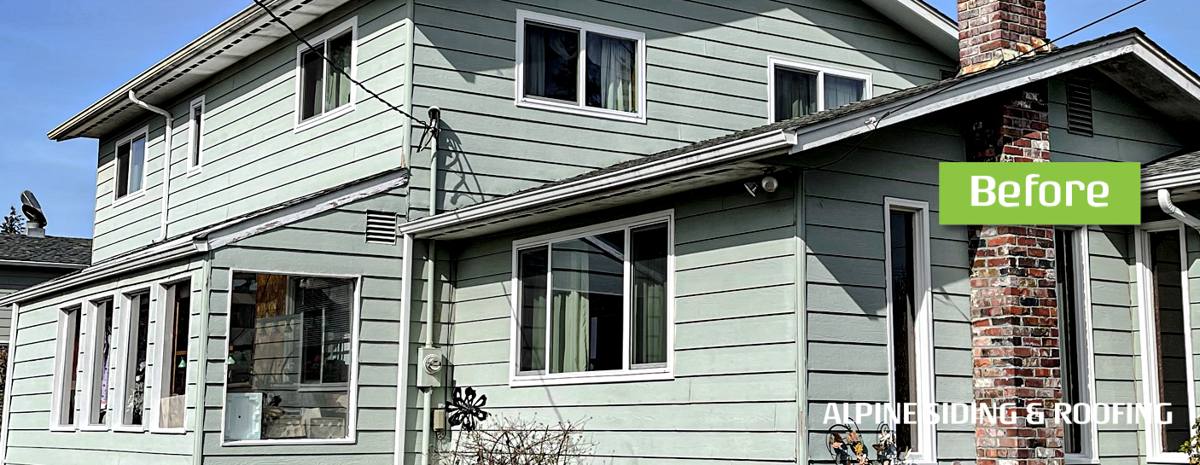
We also handle siding, window, and deck work, which matters more than it might seem for roofing customers. Roof leaks and failed flashing often show up as damage at the fascia, soffit, or siding line first, and a contractor who only thinks about the roof deck can miss the fact that water has already worked its way into a wall system or under a window. Treating the exterior as one connected system — roof, siding, windows, decks — is how problems get caught before they become expensive.
Choosing the Right Roofing Material for This Area
| Material | Typical Lifespan Here | Strengths in This Climate | Trade-offs to Consider |
|---|---|---|---|
| Architectural asphalt shingle | 15–25 years | Good wind rating options, moderate cost, wide style range | UV exposure shortens lifespan versus cooler climates; needs proper ventilation to perform well |
| Metal roofing | 30–50 years | Excellent wind performance, reflects heat, low maintenance | Higher upfront cost; fastener and coating quality matter a lot in salt-air exposure |
| Concrete or clay tile | 40–50+ years | Very durable surface, handles heat well, classic regional look | Heavier structural load; underlayment failure can go unnoticed since the tile itself outlasts it |
There isn't a universally "best" choice — the right material depends on your roof structure, your budget, how long you plan to stay in the home, and your tolerance for upfront cost versus long-term maintenance. We'll walk through the honest trade-offs for your specific roof rather than pushing one system for every house.
Signs a Wesley Chapel Homeowner Shouldn't Ignore
- Granules collecting in gutters or at downspout runoff points
- Shingles that look curled, cracked, or lifted at the edges
- Dark streaking or consistent algae growth on shaded slopes
- Soft spots, sagging, or visible daylight in the attic
- Water stains on interior ceilings, especially after a heavy storm
- Rusted or loose flashing around chimneys, vents, and skylights
Any one of these on its own might be minor. Several together, or any sign paired with an interior water stain, means it's worth having someone look at the roof before the next storm system rolls through — not after.
Siding, Windows, and Decks: The Rest of the Exterior Picture
Roofing problems rarely stay isolated to the roof. Wind-driven rain that gets past a compromised roof edge or flashing detail often finds its way behind siding or around window trim before a homeowner ever sees a ceiling stain. That's why we look at the whole exterior envelope, not just the shingles:
Siding
Salt air and humidity affect siding materials differently — fiber cement holds up well against moisture and pests but requires attention to caulking and paint maintenance, while vinyl is low-maintenance but can fade or become brittle under sustained UV exposure over many years. We'll tell you honestly what we see and what maintenance each material actually requires, rather than overselling a "maintenance-free" claim that doesn't hold up in this climate.
Windows
Impact-rated and properly sealed windows matter more here than in most parts of the country, both for storm protection and for keeping wind-driven rain from working past the frame during heavy weather. Old caulking and worn weatherstripping are common, quiet culprits behind window leaks that get blamed on the roof.
Decks
Outdoor wood and composite structures take a beating from the same UV and moisture cycle as everything else on the exterior. Fasteners corrode, wood checks and splits under sun exposure, and ledger board connections — where a deck attaches to the house — are worth checking periodically since that's a common point for hidden water intrusion.
Why a Local Crew Matters for Wesley Chapel Homes
Roofing code requirements, permitting processes, and wind-load standards in Hillsborough and the surrounding Tampa Bay counties reflect the real storm risk this area faces, and they're not identical to requirements in other parts of the state or country. A crew that works in this region regularly knows what inspectors expect, what wind-rating documentation insurance carriers ask for, and how local supply houses stock materials suited to this climate — which matters when you need a repair done right the first time rather than redone after the next storm season.
Local presence also means accountability. When we're part of the same community, warranty work and follow-up aren't a phone call to a call center — they're a crew that can be back at your house within a reasonable drive, not a multi-day wait for someone dispatched from out of the area.
What to Expect When You Work With Us
- A straightforward inspection where we document what we find, including photos where relevant, and explain it without jargon.
- A written estimate that separates necessary repairs from optional upgrades, so you can decide what fits your budget and timeline.
- Clear communication about material options and their real trade-offs — cost, lifespan, maintenance, and appearance.
- Workmanship that accounts for local wind and moisture exposure, not a generic national playbook.
- Follow-up support if something needs attention after the work is done.
Cost Factors Homeowners Should Understand
| Factor | Why It Affects Price |
|---|---|
| Roof size and pitch | More surface area and steeper slopes increase labor time and safety requirements |
| Material choice | Asphalt, metal, and tile carry different material and installation costs |
| Extent of decking or structural repair needed | Rotted decking or damaged trusses add labor and material beyond the roof covering itself |
| Number of penetrations | Vents, skylights, and chimneys each need proper flashing, which adds time |
| Permit and code requirements | Local wind-load and code standards can affect underlayment, fastening patterns, and material specs |
We provide honest, itemized estimates so you can see exactly what you're paying for and why — no vague lump-sum numbers designed to obscure where the cost is actually going.
If you're noticing wear on your roof, siding, windows, or deck — or simply want a professional opinion before storm season catches you off guard — we're happy to take a look. Reach out for a free, no-pressure estimate using the form below, and we'll give you a straight answer about what your home actually needs.