 Tampa Roofing
 Roofing in New Tampa: What the Climate Demands
New Tampa sits inland from the bay but still takes the full brunt of what a Florida summer and hurricane season can throw at a roof. Homes here deal with hurricane-force wind gusts during tropical systems, intense year-round UV exposure that most of the country never sees, wind-driven rain that finds every weak seam and flashing gap, and a steady dose of salt-laden air carried in off Tampa Bay. None of these forces act alone — they compound. UV bakes shingle granules loose and dries out sealant strips, then wind-driven rain exploits whatever those weakened seals no longer cover. A roof that would last three decades in a milder climate can show real wear in half that time here if it wasn't built or maintained with Hillsborough County conditions in mind.
That's the backdrop for every roofing decision a New Tampa homeowner makes, from what material to choose to how often the roof should be inspected. It's also why we treat New Tampa as its own service area rather than lumping it in with generic "Tampa roofing" advice — the housing stock, storm exposure, and HOA landscape here have their own character.
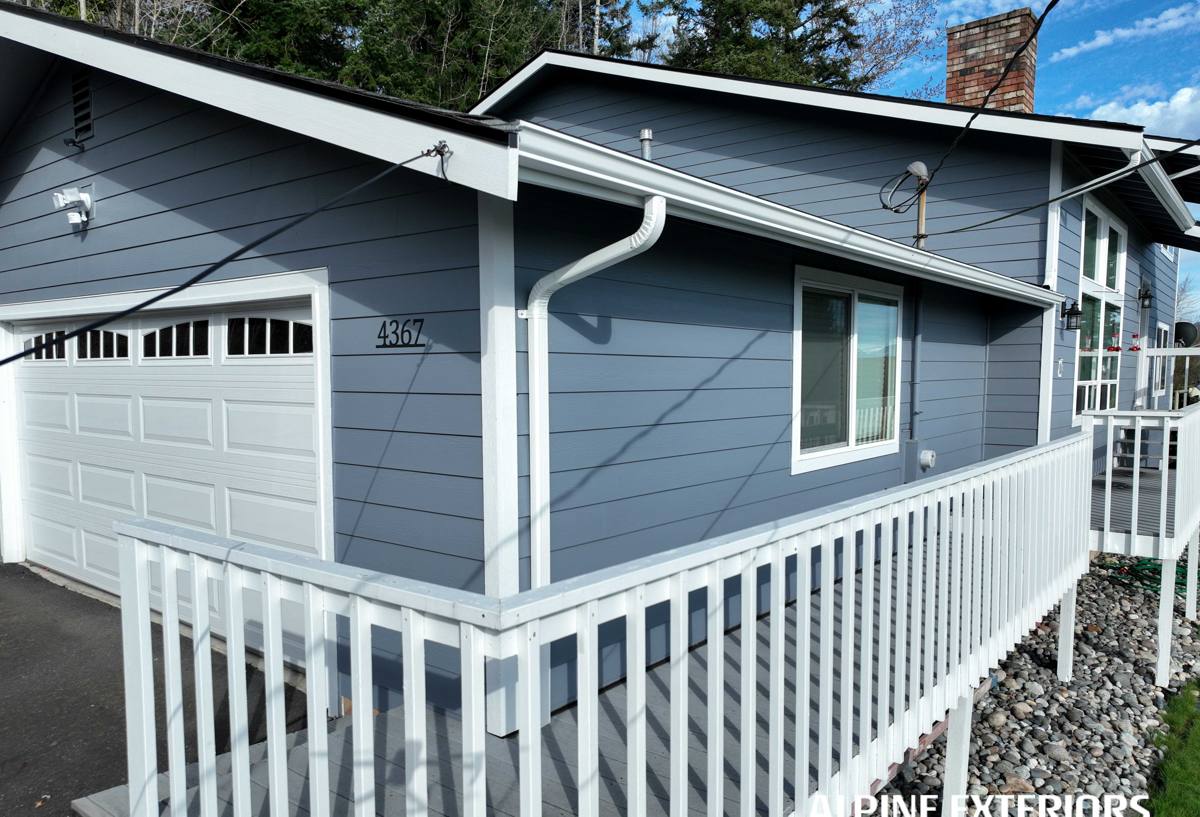
What New Tampa Homes Tend to Face
Sun and Heat Fatigue
Florida's UV index runs high nearly year-round, and attic temperatures under a dark asphalt roof can climb well past what the shingle manufacturer tested for in milder markets. Over years, that heat cycling — hot days, cooler nights, repeated — causes asphalt shingles to lose flexibility and granule coverage faster than the rated lifespan on the package would suggest. Tile and metal roofing handle radiant heat differently and each come with their own trade-offs, which we'll get into below.
Wind and Wind-Driven Rain
Hurricane season brings sustained high winds and, more importantly for most roofs, wind-driven rain that gets pushed sideways and even upward under eaves and around vents. Standard nailing patterns and underlayment that work fine in a straight downpour can fail under that kind of lateral pressure if they weren't installed to current wind-rated standards. This is one of the most common causes of storm damage we see that isn't obvious from the ground — the shingles look intact, but water has already gotten underneath.
Salt Air and Metal Fatigue
New Tampa isn't beachfront, but Tampa Bay's salt air still travels inland on prevailing winds, and it accelerates corrosion on exposed metal — flashing, fasteners, gutter systems, and any exposed hardware on siding or decking. Homes closer to the bay feel this more, but no property in the Tampa area is fully exempt from it over a multi-decade timeline.
Roofing Services We Provide in New Tampa
We handle the full range of residential roofing work, matched to what actually makes sense for this climate rather than a one-size-fits-all approach.
- Roof inspections — a thorough look at shingles, flashing, vents, and attic ventilation, done before storm season, after a major storm, or as part of routine upkeep.
- Storm damage assessment and repair — identifying wind and hail damage that isn't visible from the ground, including lifted shingles, compromised seals, and flashing separation.
- Full roof replacement — tear-off and reinstallation with materials and fastening patterns suited to Hillsborough County's wind requirements.
- Flashing, vent, and penetration repair — these small components fail far more often than the field of the roof itself and are usually the source of interior leaks.
- Ventilation review — proper attic airflow reduces heat buildup and moisture accumulation, both of which shorten a roof's usable life in this climate.
We also work on siding, windows, and decks, which matters more than it might seem for a roof-focused visit — a home's exterior envelope works as a system, and problems in one area often show up as symptoms in another (a leaking window head flashing can mimic a roof leak, for example).
Choosing a Roofing Material for New Tampa
There's no single "best" roofing material for this area — it depends on budget, the home's structure, HOA requirements, and how much long-term maintenance a homeowner wants to take on. Here's an honest breakdown of the common options.
| Material | Typical Lifespan Here | Wind Performance | Maintenance | Relative Cost |
|---|---|---|---|---|
| Architectural asphalt shingle | 15–25 years | Good, when properly rated and installed | Low to moderate | Lowest |
| 3-tab asphalt shingle | 12–18 years | Lower wind rating than architectural | Low to moderate | Lower |
| Concrete or clay tile | 30–50 years | Very good when fastened correctly | Periodic inspection for cracked/slipped tiles | Higher |
| Standing seam metal | 40–60 years | Excellent | Low, watch for coastal corrosion over time | Highest |
Architectural shingles are the most common replacement choice in New Tampa because they balance cost, wind rating, and appearance well. Tile is common on many of the area's newer developments and holds up well structurally, but individual tiles can crack from foot traffic or debris impact and need periodic spot repair. Metal has the longest lifespan and best wind performance but carries the highest upfront cost — for homeowners planning to stay long-term, it's often worth evaluating on a cost-per-year basis rather than sticker price alone.
Working With New Tampa's HOA Communities
A large share of New Tampa is made up of planned, HOA-governed communities, and roofing and exterior work in these neighborhoods usually comes with architectural review requirements — approved color palettes, material restrictions, and sometimes specific manufacturer or profile requirements for tile or shingle roofs. We factor this into project planning from the start: submitting the right documentation, choosing compliant materials, and avoiding the delays that come from starting work before HOA sign-off. If you're not sure what your community requires, we're happy to help you figure out what to submit before work begins.
Siding, Windows, and Decks in This Climate
Roofing isn't the only part of a New Tampa home's exterior taking a beating from sun, humidity, and wind-driven rain.
Siding
Siding here faces UV fading, moisture intrusion at seams and trim, and — for wood-based products — a higher risk of rot in Florida's humidity. Fiber cement and quality vinyl products tend to hold color and shape better over time in this climate than materials that weren't designed with high-humidity, high-UV regions in mind.
Windows
Impact-rated or properly rated windows matter for both storm protection and energy performance — Florida's building code requirements around wind-borne debris are stricter here than in most of the country for good reason. Poorly sealed or aging windows are also a common source of what homeowners assume is a roof leak but is actually water intrusion at the window head or sill.
Decks
Outdoor living is a big part of why people choose New Tampa, and decks take direct sun and rain exposure with no roof overhead to shield them. Fasteners, ledger board connections, and board spacing all need to account for humidity-driven wood movement and the freeze-thaw-free but heavy-moisture cycle Florida decks experience.
A Seasonal Maintenance Checklist for New Tampa Homeowners
- Inspect the roof (or have it inspected) before hurricane season each year, not just after a storm hits.
- Clear gutters and downspouts regularly — clogged drainage during heavy Florida rain leads to water backing up under roof edges.
- Trim back tree limbs that overhang the roof to reduce debris impact and abrasion during high winds.
- Check attic ventilation isn't blocked by insulation or debris, especially before peak summer heat.
- Look at exposed metal flashing, fasteners, and gutter hardware periodically for early corrosion, particularly if you're within a few miles of the bay.
- After any named storm, do a visual walk-around for lifted shingles, dented vents, or displaced tiles, and get a professional look if anything seems off.
- Keep an eye on interior ceilings and attic spaces for staining, which often shows up well before a leak becomes obvious from outside.
Why a Local Crew Matters
Roofing and exterior work in Hillsborough County involves permitting requirements, wind mitigation standards, and inspection processes that are specific to this jurisdiction. A crew that works here regularly knows the local permitting office, understands current code requirements for wind rating and fastening, and has a track record homeowners in the area can actually check on. It also means faster response after a storm — when a major weather event hits Tampa, roofing companies based elsewhere are often overwhelmed handling their own territory first. Being local isn't a marketing point for us; it's what lets us show up quickly, know the rules that apply to your specific property, and stand behind the work over the years, not just for the length of a single job.
Get an Honest Look at Your Roof
Whether you're dealing with storm damage, planning ahead for a roof that's getting close to the end of its life, or just want an honest assessment of where things stand, we're glad to take a look. Reach out for a free, no-pressure estimate using the form below, and we'll walk you through what we see and what your realistic options are — no hard sell, just straight information.