 Tampa Roofing
 Why Shingle Choice Matters More in Tampa Than in Most Places
Every asphalt shingle sold in the United States has to survive rain and sun. Not every shingle has to survive what a Tampa roof survives. Between June and November, Hillsborough County roofs deal with tropical storm systems and the occasional direct hurricane threat. Year-round, they take some of the most intense UV exposure in the continental U.S. Add wind-driven rain that gets pushed sideways under poorly sealed shingle tabs, and salt-laden air drifting in off Tampa Bay that accelerates the breakdown of lower-grade granules and fasteners, and you have a climate that exposes cheap shingle choices faster than almost anywhere else in the country.
That doesn't mean every Tampa homeowner needs the most expensive shingle on the market. It means the decision should be made with this climate in mind, not with a generic national spec sheet. This page walks through the real differences between shingle categories, what wind and impact ratings actually mean, and the factors that affect how long a roof lasts here versus how long it lasts in a mild climate.
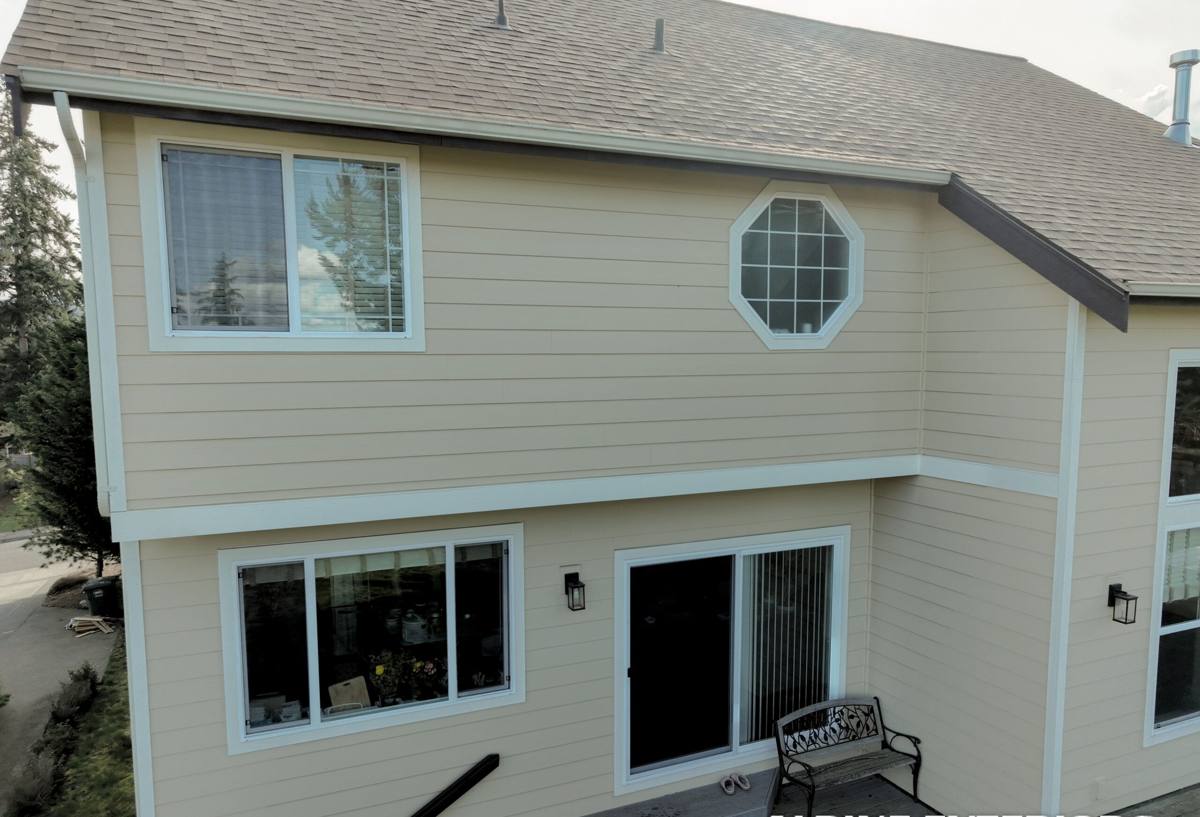
The Three Main Shingle Categories
Almost every residential asphalt shingle on the market falls into one of three tiers. The names vary by manufacturer, but the construction differences are consistent.
3-Tab Shingles
These are flat, single-layer shingles with cutouts that create the classic three-tab look. They're the lightest and least expensive option, but they also have the lowest wind resistance and the shortest realistic lifespan in a coastal, storm-prone climate. Many manufacturers have scaled back 3-tab offerings in Florida specifically because they underperform against local wind and code requirements.
Architectural (Dimensional) Shingles
These are built from two or more laminated layers, giving them a heavier, textured, dimensional appearance and meaningfully better wind and impact performance than 3-tab. This is the standard choice for most Tampa homes today, and for good reason — the extra material and lamination directly translate into better performance against wind uplift and wind-driven rain intrusion.
Luxury or Designer Shingles
These mimic the look of slate or cedar shake with thicker, more varied laminate profiles. They cost more and typically carry the strongest wind and impact ratings a shingle product offers, along with the longest manufacturer warranties. They make the most sense on homes where the roofline is highly visible or where the owner wants the longest service life the shingle category can offer.
| Type | Typical Wind Rating | Best Fit For | Trade-Offs |
|---|---|---|---|
| 3-Tab | Lower end of rated range | Budget-driven projects, non-coastal exposure | Shortest realistic lifespan here; less impact resistance |
| Architectural | Mid-to-high rated range | Most Tampa homes | Best balance of cost, appearance, and storm performance |
| Luxury/Designer | High end of rated range | Statement rooflines, longest-term ownership | Highest material cost |
Wind Rating and Florida Building Code Basics
Shingles sold for use in Florida are tested and rated for wind resistance, and Hillsborough County permitting follows the Florida Building Code's High-Velocity Hurricane Zone and wind-borne debris region requirements that apply to our part of the state. In practice, that means the shingle product, the underlayment system beneath it, and the fastening pattern all have to work together as a tested assembly — not just the shingle in isolation.
A shingle with a strong wind rating installed with the wrong nailing pattern or the wrong number of fasteners performs no better than a cheap shingle installed correctly. This is one of the most common corners cut in this trade: a homeowner pays for a premium shingle, but the crew uses a standard four-nail pattern instead of the six-nail pattern the product and the local wind zone actually call for. We follow manufacturer-specified fastening and local code requirements as the baseline, not an upsell.
Algae Streaks, Heat, and UV in a Florida Climate
Two performance issues show up faster here than in drier, cooler climates:
Algae and Streak Resistance
Florida's humidity and warm temperatures are ideal conditions for the algae that causes those dark streaks on aging roofs. Most quality architectural shingles now include algae-resistant granules, typically backed by a limited warranty against streaking. This is worth asking about specifically — it's a meaningful upgrade for a roof that will spend years in Tampa's humidity, not a marketing add-on.
Heat and UV Exposure
Constant, intense sun accelerates the natural aging of asphalt shingles — the oils in the asphalt gradually dry out over the shingle's life, and UV is the main driver of that process. Lighter shingle colors reflect more heat than darker colors, which can modestly reduce attic heat gain and, over time, may ease the workload on cooling systems. This is a legitimate factor to weigh, but it's secondary to wind performance and installation quality when it comes to how long the roof actually lasts.
Underlayment and Fastening Matter As Much As the Shingle
A shingle is only one layer of a roofing system. Underneath it, the underlayment is the roof's actual water barrier — the shingle sheds most of the water and sun, but wind-driven rain during a tropical storm can drive moisture up and under shingle tabs, and that's when underlayment quality becomes the deciding factor. Synthetic underlayments generally hold up better than older felt products under Florida humidity and heat cycling, and self-adhering underlayment at eaves, valleys, and penetrations adds a second line of defense exactly where leaks are most likely to start.
We bring this up because it's an area where homeowners sometimes focus entirely on the shingle brand and skip past the underlayment conversation — and in a wind-driven-rain climate, that's backwards. The shingle and the underlayment need to be evaluated together.
Ventilation and Attic Considerations
Proper attic ventilation affects both shingle lifespan and manufacturer warranty validity. A hot, poorly ventilated attic can bake the underside of the roof deck and shorten the effective life of the shingles above it, regardless of how good the shingle itself is. Balanced intake (soffit) and exhaust (ridge or other) ventilation is a standard part of a correctly specified roofing system in our climate, not an optional extra. If your current roof shows uneven wear or premature granule loss, ventilation is one of the first things worth having evaluated alongside the shingle itself.
What Actually Drives Cost
| Factor | Why It Affects Price |
|---|---|
| Shingle tier (3-tab vs. architectural vs. luxury) | Material weight, lamination, and warranty length scale with tier |
| Roof pitch and complexity | Steep or cut-up rooflines take longer to install safely and correctly |
| Underlayment upgrade | Synthetic and self-adhering products cost more than basic felt but perform better in wind-driven rain |
| Deck condition | Rotted or delaminated decking found during tear-off adds repair cost |
| Ventilation work | Adding or correcting soffit/exhaust ventilation is sometimes needed alongside a reroof |
Exact pricing depends on your roof's size, pitch, and condition, so we'd rather walk it and give you real numbers than quote a range that doesn't mean much until we've seen the roof.
A Practical Checklist Before You Decide
- Confirm the shingle's wind rating and make sure the fastening pattern quoted matches both the manufacturer's spec and the local wind zone requirement
- Ask specifically what underlayment is included, not just what shingle brand is being installed
- Check whether algae-resistant granules are included, especially on north-facing or shaded roof sections
- Ask how attic ventilation will be handled as part of the project, not treated as a separate afterthought
- Get the manufacturer warranty terms in writing, including what voids them (fastening pattern, ventilation, non-approved accessories)
- Confirm the permit will be pulled through Hillsborough County or the applicable local jurisdiction before work starts
Our Approach to Shingle Recommendations
We don't push the most expensive option by default, and we don't recommend the cheapest one just to win a bid. For most Tampa homes, a well-installed architectural shingle with the correct underlayment and fastening for our wind zone is the honest, durable choice. Luxury shingles make sense when the roofline is a visual focal point or when a homeowner specifically wants the longest warranty term the category offers. 3-tab shingles have their place on lower-budget projects, but we'll always tell you plainly where that trade-off shows up over time in a coastal, storm-exposed climate like ours.
If you're weighing options for a reroof or replacement, we're happy to walk your roof, look at your current shingle and ventilation setup, and give you a straightforward comparison for your specific home. There's no pressure and no obligation — just use the form below to request a free estimate.