 Tampa Roofing
 Roofing in Brandon: Built for What Hillsborough County Throws at It
Brandon sits inland from Tampa Bay, but that doesn't mean the roof over your head gets an easier ride than homes closer to the water. Between the summer heat, the daily thunderstorm pattern that rolls through Hillsborough County from June through September, and the occasional direct hit or near-miss from a tropical system, roofs here work harder than in most parts of the country. We've spent years replacing and repairing roofs across this area, and the patterns are consistent: the roofs that last are the ones installed correctly the first time, with materials and fastening methods matched to what this climate actually demands.
This page walks through what we see on Brandon roofs, what your options look like, and how we approach the work. No pressure, no upsell — just what a roof in this part of Florida needs to hold up.
What Brandon's Climate Does to a Roof
A few forces are constantly working against roofing materials here, and they don't take turns — they overlap.
Year-Round UV Exposure
Florida sun is intense for most of the year, not just in summer. UV breaks down the oils and resins in asphalt shingles over time, making them brittle and prone to granule loss. That granule layer is what protects the shingle mat underneath from water and further sun damage, so once it starts wearing thin, the aging process speeds up.
Wind-Driven Rain
Afternoon storms in this part of Florida rarely fall straight down. Wind pushes rain sideways and up under roof edges, flashing, and shingle tabs that weren't sealed or nailed properly. This is one of the most common causes of slow, hard-to-find leaks — the water isn't coming through a hole, it's being driven in under a lifted edge.
Hurricane and Tropical Storm Wind
Hillsborough County sits in a hurricane-prone region, and building codes here reflect that. Roofs need to be able to handle sustained high winds and gusts without losing shingles, tiles, or underlayment. Improperly installed roofing — even material that's rated for high wind — can fail well below its rated capacity if it wasn't fastened correctly.
Humidity and Heat Cycling
Attics in Florida homes run hot, and poor ventilation traps that heat, which shortens the life of roofing materials from underneath as well as above. Daily heating and cooling cycles also cause materials to expand and contract, which stresses seams, flashing, and fasteners over years of repetition.
Common Roofing Issues We See on Brandon Homes
Brandon has a mix of older established neighborhoods and newer subdivisions, and the roofing issues tend to track with age and original build quality rather than any one style of home.
- Granule loss and shingle brittleness from prolonged UV exposure
- Lifted or missing shingle tabs after wind-driven storms
- Flashing failures around chimneys, skylights, and roof-to-wall transitions
- Soft or discolored decking from long-term slow leaks
- Poor attic ventilation accelerating shingle aging from underneath
- Improperly sealed nail penetrations that let water track in over time
None of these are unusual for the region — they're simply what happens to a roof over time in a hot, storm-prone climate. The goal isn't to avoid all wear; it's to catch problems before they turn into deck damage, interior leaks, or a full premature replacement.
Roofing Materials That Hold Up in This Climate
There's no single "best" roofing material for every home — it depends on budget, roof pitch, HOA rules in some Brandon neighborhoods, and how long you plan to stay in the home. Here's how the common options compare for this region:
| Material | Typical Lifespan | Wind Performance | Relative Cost | Notes |
|---|---|---|---|---|
| 3-Tab Asphalt Shingle | 15-20 years | Lower wind rating | Lowest | Budget option, shorter lifespan in intense UV and wind |
| Architectural (Dimensional) Shingle | 20-30 years | Higher wind rating than 3-tab | Moderate | Most common choice for Florida homes; good balance of cost and durability |
| Standing Seam Metal | 40-50+ years | Excellent when properly installed | Higher upfront | Strong long-term value, reflects heat, low maintenance |
| Concrete or Clay Tile | 40-50+ years | Very good, heavy and wind-resistant | Highest | Requires structural check for weight; common on higher-end homes |
We install and repair all of the above. What matters more than the material itself is the underlayment, flashing detail, and fastening pattern underneath it — that's where most roofing failures actually start, regardless of what's on the surface.
Signs Your Brandon Home's Roof Needs Attention
Most roof problems don't announce themselves with a dramatic leak. They show up as small signals first. Walk your property periodically and watch for:
- Shingles that look curled, cracked, or are missing granules (bald patches)
- Dark streaks or stains on the roof surface or in the attic
- Sagging areas anywhere on the roofline
- Granules collecting in gutters or at downspout outlets
- Daylight visible through the roof deck from inside the attic
- Rising energy bills, which can point to failing attic ventilation or insulation tied to roof condition
- Visible damage to flashing around chimneys, vents, or skylights after a storm
If you notice any of these after a storm, it's worth having a professional look before the next round of wind-driven rain finds the weak spot.
Repair or Replace? How We Help You Decide
Not every roofing problem means a full replacement, and we won't tell you it does. The decision usually comes down to a few honest factors:
When Repair Makes Sense
Isolated damage — a section of lifted shingles, a flashing leak, storm damage to one slope — can often be repaired if the rest of the roof is in reasonable condition and not near the end of its expected lifespan.
When Replacement Makes Sense
If the roof is widely aged, has multiple recurring leak points, or has taken on decking damage in more than one area, patch repairs become a short-term fix on a roof that's telling you it's done. At that point, spending on repeated repairs usually costs more over time than a planned replacement, especially with insurance and permitting factored in.
We'll give you a straight answer either way, including the trade-offs, rather than defaulting to the option that costs more.
What to Expect From the Roofing Process
Whether it's a repair or a full replacement, our process is built around minimizing surprises:
- Inspection and assessment, including attic ventilation and decking condition, not just the surface
- A written scope of work and estimate before anything starts
- Permitting handled through Hillsborough County as required for the scope of work
- Removal of old material (for replacements) and inspection of the decking underneath
- Installation of underlayment, flashing, and roofing material to current code requirements
- Cleanup and a final walkthrough
For replacements, we pay particular attention to flashing details and fastening patterns, since that's where most of the wind and water problems in this climate actually originate — not the shingles themselves.
Beyond the Roof: Siding, Windows, and Decks
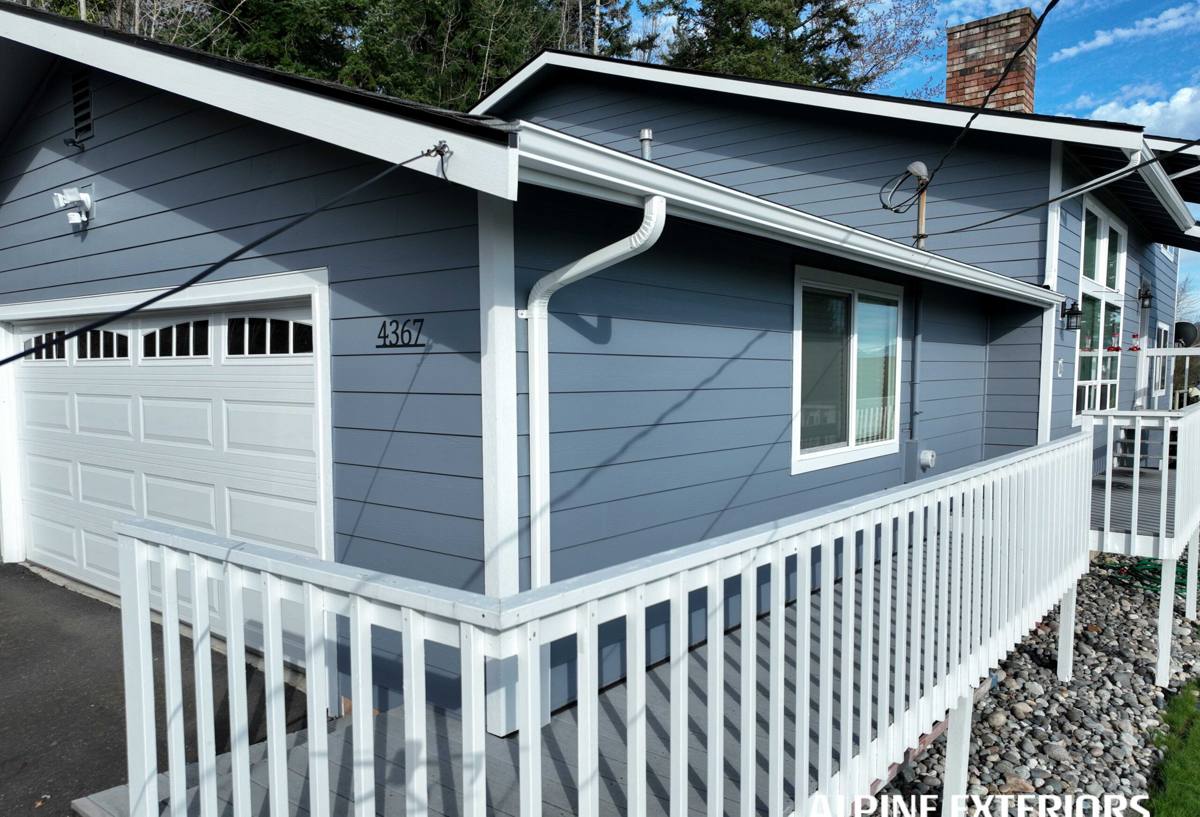
Roofing is rarely the only exterior system under stress in this climate. The same UV, humidity, and wind that wear on a roof affect siding, window seals, and outdoor decking too. We work on all four — roofing, siding, windows, and decks — which means if an inspection turns up a related issue, like compromised flashing where the roofline meets siding, or window trim showing water intrusion, we can address it as part of the same conversation instead of sending you to find a second contractor.
Why a Local Crew Matters for Brandon Roofing
Roofing work in Hillsborough County has to meet specific wind-load and building code requirements, and those requirements get enforced through local permitting. A crew that works this area regularly knows the inspection process, understands what past storms have done to roofs in this specific region, and isn't guessing at what materials and installation methods actually hold up here versus in a drier or calmer climate. That local familiarity shows up in the details — proper flashing at valleys and walls, correct nailing patterns for wind rating, and ventilation that accounts for Florida attic heat, not a generic install done the same way it would be in a different state.
Get a Free, No-Pressure Estimate
If your Brandon home's roof is showing its age, took a hit in the last storm season, or you just want an honest read on where it stands, we're glad to come take a look. Use the form below to request a free estimate — no obligation, no pressure, just a straight assessment of what your roof needs.