 Tampa Roofing
 Exterior Work Built for South Tampa's Waterfront Exposure
South Tampa sits on a peninsula, with most of the neighborhood within a few miles of Hillsborough Bay, Old Tampa Bay, or the open water beyond. That proximity is part of what makes the area desirable, and it's also what makes the exterior of a home work harder than it would a few miles inland. Salt-laden air moves in off the water daily, sun exposure is intense for most of the year, and when a tropical system tracks through the Gulf or across the peninsula, South Tampa's homes take wind and wind-driven rain from multiple directions with little to break it up.
We're a Tampa-based exterior contractor working across Hillsborough County, and South Tampa is one of the areas where we spend the most time. The housing stock here is a genuine mix — older bungalows and mid-century homes with decades of roof and siding history, newer infill construction built to current Florida Building Code wind standards, and everything in between. Each of those categories needs a different read on what's original, what's been patched, and what's actually holding up.
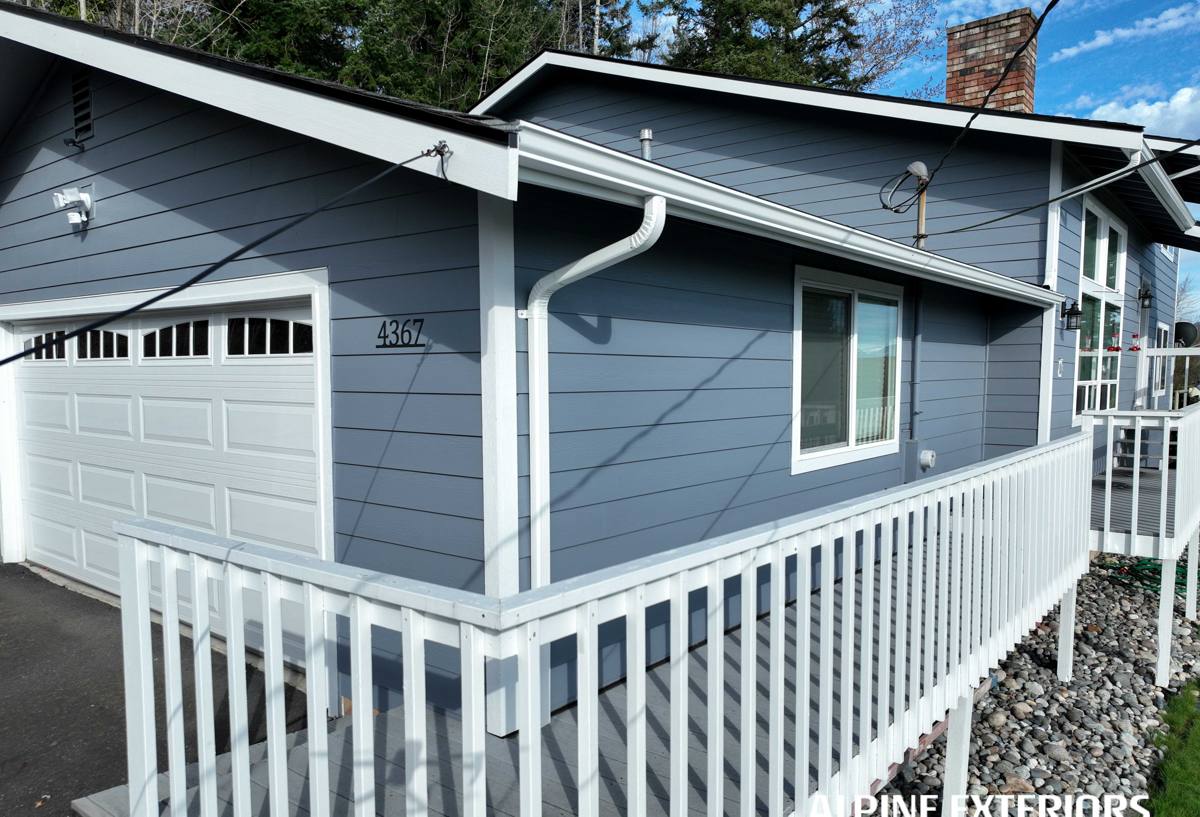
What the Climate Does to Roofs, Siding, Windows, and Decks Here
Salt Air and Coastal Corrosion
Homes within a mile or two of the bay deal with airborne salt that settles on every exterior surface. On roofing, it accelerates corrosion of exposed fasteners, flashing, and metal roof panels if the wrong alloys or coatings were used. On siding, it can dull finishes and, on lower-quality trim or unprotected fasteners, lead to streaking and premature wear. It's not something you can eliminate, but it is something you can plan around with the right materials and fastener choices.
Wind and Wind-Driven Rain
Hurricane-force wind events don't just test whether a roof covering stays attached — they test every seam, transition, and penetration for wind-driven rain intrusion. A roof can lose very few shingles in a storm and still end up with interior water damage because wind pushed rain sideways under flashing or through an aging window or door seal. We look at the whole exterior envelope as one connected system, not a stack of unrelated components, because that's how it actually fails or holds up in practice.
Year-Round UV Exposure
Central Florida's sun is strong nearly every month of the year, and it's constant, not seasonal. UV breaks down asphalt shingle granules and asphalt binders over time, dries out sealants, and fades and embrittles lower-grade vinyl siding and trim faster than the same products would age in a milder climate. Deck boards and railings, especially on the sunnier southern and western exposures common on bay-adjacent lots, take a similar beating.
Quick Reference: Local Stressors by Component
| Exterior Component | Primary Local Stressor | Common Failure Point |
|---|---|---|
| Roofing | Wind uplift + UV | Fastener backout, granule loss, flashing failure |
| Siding | Salt air + wind-driven rain | Seam gaps, fastener corrosion, moisture behind panels |
| Windows | Wind-driven rain + pressure cycling | Failed seals, frame leaks around openings |
| Decks | UV + humidity cycling | Board cupping, fastener pop, ledger board rot |
Roofing in South Tampa
Most of what we see here falls into asphalt shingle, tile, and metal roofing, each with different considerations for a bay-adjacent property. Asphalt shingle systems remain the most common and cost-effective option, and modern architectural shingles rated for high wind speeds hold up well when installed with proper fastening patterns and starter courses — the installation details matter as much as the shingle brand. Tile roofing is common on both older and newer South Tampa homes and can perform very well in wind when the underlying deck attachment and fastening system are sound, though it's a heavier system that requires the structure underneath to support it. Metal roofing offers strong wind performance and a long service life, but in a salt-air environment the fastener and flashing metallurgy has to be chosen carefully to avoid galvanic corrosion where dissimilar metals meet.
Roof age matters more here than the shingle brand printed on the wrapper. A 20-year-old roof that looks fine from the street can have brittle underlayment and worn-out flashing that won't show a problem until the next hard rain finds it.
Siding for a Coastal-Adjacent Neighborhood
We install and repair fiber cement and vinyl siding, and the choice usually comes down to how exposed the home is and what the homeowner wants long-term. Fiber cement holds paint well, resists moisture intrusion better over time, and stands up to wind-driven debris, which makes it a strong fit for homes closer to open water — it does require proper installation with correct fastener spacing and flashing at every penetration, since a sloppy install undermines all of that durability. Vinyl siding remains a solid value option for many homes and has improved significantly in wind ratings, but we're selective about which vinyl products we install specifically because lower-tier panels can warp under sustained UV exposure and don't always hold up as well against salt air over a full ownership cycle. We'll walk homeowners through the honest maintenance trade-offs of each rather than pushing whatever's cheapest to install.
Common Siding Warning Signs Worth a Look
- Visible gaps, buckling, or waviness in panel seams
- Soft spots when pressed near the bottom edges of walls
- Rust streaks running down from fastener heads
- Chalky residue or significant fading on south- and west-facing walls
- Increased humidity or a musty smell in interior rooms along exterior walls
Windows: The Envelope's Weak Point in Wind-Driven Rain
Windows are frequently where wind-driven rain finds its way into a home, especially on older single-pane or early-generation double-pane units whose seals and frames have simply aged out. We install impact-rated and code-compliant window systems suited to Hillsborough County's wind requirements, with attention to correct flashing and sealing at the rough opening — a high-performance window installed with poor flashing details will still leak. For homes closer to the bay, we also talk through the value of laminated glass and reinforced frames, since those homes tend to see the most direct wind and pressure differential during a storm.
Decks: Built for Sun, Humidity, and Salt Air
Outdoor living is a big part of why people choose South Tampa, and decks here face a specific combination of stressors: constant UV that dries out and fades wood or composite decking, humidity swings that drive board movement and fastener loosening, and salt air that accelerates corrosion on hardware and fasteners near the water. We build with fastening hardware and connectors rated for coastal exposure and structural framing sized to hold up under Florida's combination of moisture and wind. Whether it's wood, composite, or a mix with metal railings, the details that matter most are usually below the visible surface — ledger board attachment, joist protection, and fastener grade.
Why a Local Crew Matters Here
Working across Hillsborough County day in and day out means we see how these homes actually perform after storms roll through, not just how a product performs on paper. We know the difference between what a roof, siding system, window, or deck needs a mile from the bay versus a few miles inland, and we adjust material choices and installation details accordingly. A crew that only shows up occasionally doesn't build that pattern recognition — and on a coastal-adjacent property, those details are usually what separates a system that holds up for its full expected life from one that needs early repairs.
We also stand behind our work with straightforward warranties on labor and installation, in addition to manufacturer materials warranties, and we're upfront when a repair makes more sense than a full replacement.
What Drives Cost for South Tampa Exterior Projects
| Factor | Why It Matters Here |
|---|---|
| Distance to open water | Closer properties often warrant higher-grade fasteners and coastal-rated materials |
| Roof pitch and complexity | Older homes with multiple roof planes take more labor and flashing detail |
| Existing deck/wall condition | Hidden rot or corrosion found during tear-off adds scope |
| Material tier | Coastal-grade siding, impact windows, and marine-grade deck hardware cost more upfront but reduce maintenance |
| Permitting and code requirements | Wind zone requirements in Hillsborough County affect fastening schedules and product ratings |
We provide detailed, itemized estimates so homeowners can see exactly what's driving the number, rather than a single lump-sum figure.
Get a Straightforward Look at Your Home's Exterior
If you're in South Tampa and dealing with an aging roof, siding that's showing its age, windows that let in more than light, or a deck that needs attention, we're happy to come take a look. There's no pressure and no obligation — just an honest assessment of what your home actually needs, with options at different price points explained clearly. Fill out the form below to schedule a free estimate.