 Tampa Roofing
 Clearwater sits right on the Gulf, and that location is a mixed blessing for roofs. The same coastal setting that makes the area desirable also means homes here take a harder hit from the elements than roofs just a few miles inland in Hillsborough County. Salt-laden air, near-constant UV exposure, and the risk of hurricane-force wind and wind-driven rain all combine to shorten the working life of roofing materials that weren't installed with those specific stresses in mind. We work on roofs throughout the greater Tampa Bay area, and Clearwater jobs get treated as their own category, not a copy-paste of what we'd do on a drier, more inland property.
What Clearwater's Climate Actually Does to a Roof
It helps to understand the specific mechanisms at work rather than just "it's hot and it storms sometimes." Each of the following factors chips away at a roof in a different way, and a roofing plan that only accounts for one or two of them tends to leave gaps.
Salt Air and Corrosion
Homes closer to the water deal with airborne salt that settles on metal fasteners, flashing, drip edges, and any exposed hardware. Over years, that salt accelerates corrosion in lower-grade metals. It doesn't destroy a roof overnight, but it steadily weakens the small components — nails, screws, valley metal — that hold everything else together. When those fail quietly, the visible shingles or panels above them can still look fine while the roof's actual structural connections are degrading underneath.
Year-Round UV Load
Florida doesn't get a real winter break from sun exposure. Asphalt shingles lose oils and granules to UV breakdown faster here than in northern climates, and that process runs essentially twelve months a year instead of seasonally. The result is that a shingle roof rated for a certain lifespan elsewhere in the country often won't hit that same number in Clearwater without some help — proper attic ventilation, quality underlayment, and materials chosen with UV resistance actually factored in.
Wind-Driven Rain
It's not just how hard the wind blows — it's what the wind does to rain. During a tropical system or even a strong afternoon storm, rain doesn't fall straight down; it gets pushed sideways and driven up under shingle edges, around flashing, and into any gap that a calm-weather roof wouldn't need to worry about. This is why underlayment quality and flashing detail work matter as much as the shingles or panels themselves. A roof can have great material on top and still leak if the water management underneath wasn't built for sideways rain.
Hurricane and Tropical Storm Wind Loads
Hillsborough County and the surrounding Tampa Bay region sit in an area where tropical systems are a real, recurring possibility rather than a rare event. Roofs here need fastening patterns, nailing schedules, and material ratings that match current Florida Building Code wind requirements for the region — not just whatever the minimum happens to be in a lower-wind part of the country.
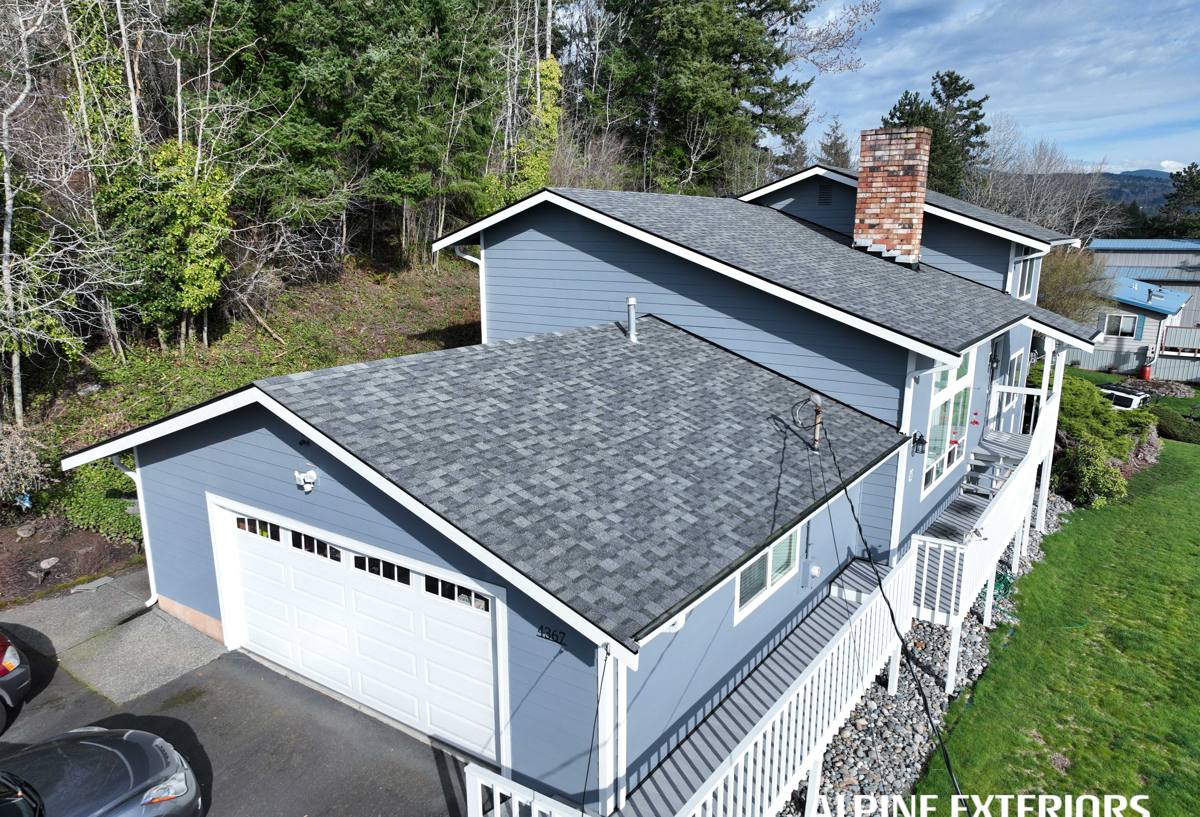
Signs a Clearwater Roof Needs Attention
Because a lot of coastal roof damage starts underneath the visible surface, it helps to know what to actually look for from the ground or attic before it becomes a bigger problem.
- Granules collecting in gutters or at the base of downspouts
- Shingles that look curled, cupped, or are missing at the edges or ridge
- Rust staining around vent pipes, flashing, or metal roof panels
- Soft spots or sagging when walked on (a decking issue, not just a surface issue)
- Daylight visible through the attic roof deck
- Water stains on interior ceilings, especially after a storm
- Higher-than-usual cooling bills, which can point to failing attic ventilation or insulation
- Visible gaps or lifted sections around chimneys, skylights, or roof-to-wall transitions
Roof Inspections: What We Actually Check
A real inspection is more than a walk around the yard looking up. We check the roof surface, the flashing details, the attic, and the fastening — because a roof that fails in a Gulf storm rarely fails for just one reason.
On the Roof
We look at shingle or panel condition, granule loss, seal strip integrity, ridge and hip condition, and how flashing is tied in around penetrations like vent stacks, skylights, and chimneys.
In the Attic
Ventilation and moisture are checked from the inside. Poor attic ventilation traps heat and humidity, which accelerates shingle aging from underneath and can promote wood rot in the decking — issues that are invisible from the ground.
At the Edges
Drip edge, gutter apron, and fascia condition matter more on the coast than people expect, since these are the first points of contact for wind-driven rain and salt exposure.
Repair or Replace: How We Help You Decide
Not every damaged roof needs full replacement, and not every "just a few missing shingles" situation is actually minor once you look at the decking underneath. We give a straight answer based on what we actually find, not a default upsell.
| Factor | Leans Toward Repair | Leans Toward Replacement |
|---|---|---|
| Roof age | Under 10-12 years | Approaching or past material's rated lifespan |
| Damage scope | Isolated to one section or penetration | Spread across multiple slopes |
| Decking condition | Solid, no soft spots | Soft, rotted, or water-stained decking |
| Storm history | No major wind or hail events | Recent hurricane or tropical storm exposure |
| Granule loss | Minimal, localized | Widespread, shingles visibly balding |
Materials That Hold Up on the Gulf Coast
We install a range of roofing systems, and the right one depends on the home, the budget, and how long the owner plans to stay in it. Our standard is picking materials suited to coastal Florida conditions specifically, rather than whatever is cheapest to install.
Architectural Asphalt Shingles
Still the most common choice for good reason — modern architectural shingles rated for high wind and heat perform well here when paired with proper underlayment and ventilation. We don't treat the shingle brand alone as the whole story; installation detail is where most coastal roof failures actually originate.
Metal Roofing
Standing seam and coated metal panels hold up well against wind uplift and don't lose granules the way asphalt does, which makes them a strong option for homeowners planning to stay long-term or wanting to minimize maintenance. The trade-off is upfront cost and the need for corrosion-resistant fasteners near the coast, which we account for in the install.
Tile Roofing
Concrete and clay tile are common in this region and can perform very well in wind and UV exposure, but they're installation-sensitive — the underlayment beneath the tile is doing more of the waterproofing work than people assume, and it needs to be right, since tile itself isn't a fully sealed system.
Our Approach to a Clearwater Roofing Job
We keep the process straightforward and communicate at each stage rather than disappearing between the estimate and the finished job.
- On-site inspection covering the roof surface, attic, and flashing details
- Clear explanation of what we found, in plain terms, with photos where useful
- Honest repair-vs-replace recommendation tied to what's actually happening on your roof
- Written estimate before any work begins
- Proper tear-off and decking check on replacements, not just a re-cover over existing damage
- Code-compliant fastening and flashing work suited to local wind requirements
- Final walkthrough so you know what was done and what to watch going forward
Why a Local Crew Matters Here
Roofing done right in Clearwater isn't just a matter of following a national manual. It means understanding how salt air interacts with fastener choice, how wind-driven rain during a Gulf storm behaves differently than a regular thunderstorm, and what the Hillsborough County area's permitting and code requirements actually call for. A crew that works this coastline regularly catches the details that a generic approach misses — because they've already seen what happens when those details get skipped.
Beyond the Roof: The Rest of Your Home's Exterior
Roofing rarely fails in isolation from the rest of a home's exterior. Siding, windows, and decking all face the same salt air, UV, and storm exposure, and problems in one area often show up as symptoms in another — a window leak that looks like a roof leak, or fascia rot that started with gutter overflow. Because we handle siding, roofing, windows, and decks, we can look at the whole exterior picture during a roof visit rather than treating each component as a separate problem to diagnose later.
If you're noticing granule loss, a stain on the ceiling, or you just want an honest read on where your roof stands, we're glad to take a look. Reach out for a free, no-pressure estimate using the form below.