 Tampa Roofing
 Siding in Clearwater Works Harder Than Siding Almost Anywhere Else
Clearwater sits on the Gulf side of the Tampa Bay area, and that location comes with a specific set of demands on a home's exterior. Salt-laden air drifts inland from the coast and settles on every surface it touches, accelerating corrosion on fasteners and finishes. Summer humidity and near-daily afternoon storms drive rain sideways against walls for months at a time. Add in the intense, nearly year-round UV exposure of a Florida sun that sits high in the sky for most of the year, and you have a climate that will find every weakness in a siding product or an installation shortcut within a few seasons, not decades.
Homes in Hillsborough and Pinellas Counties don't get the luxury of a slow off-season to recover. The siding goes from soaking humidity to intense UV to wind-driven rain to, in a bad year, hurricane-force gusts — sometimes within the same week. A siding installation crew that only occasionally works this corridor will treat it like a generic job. A crew that works Clearwater and the surrounding Tampa Bay communities regularly knows exactly which details matter and which ones get skipped by installers who aren't paying attention.
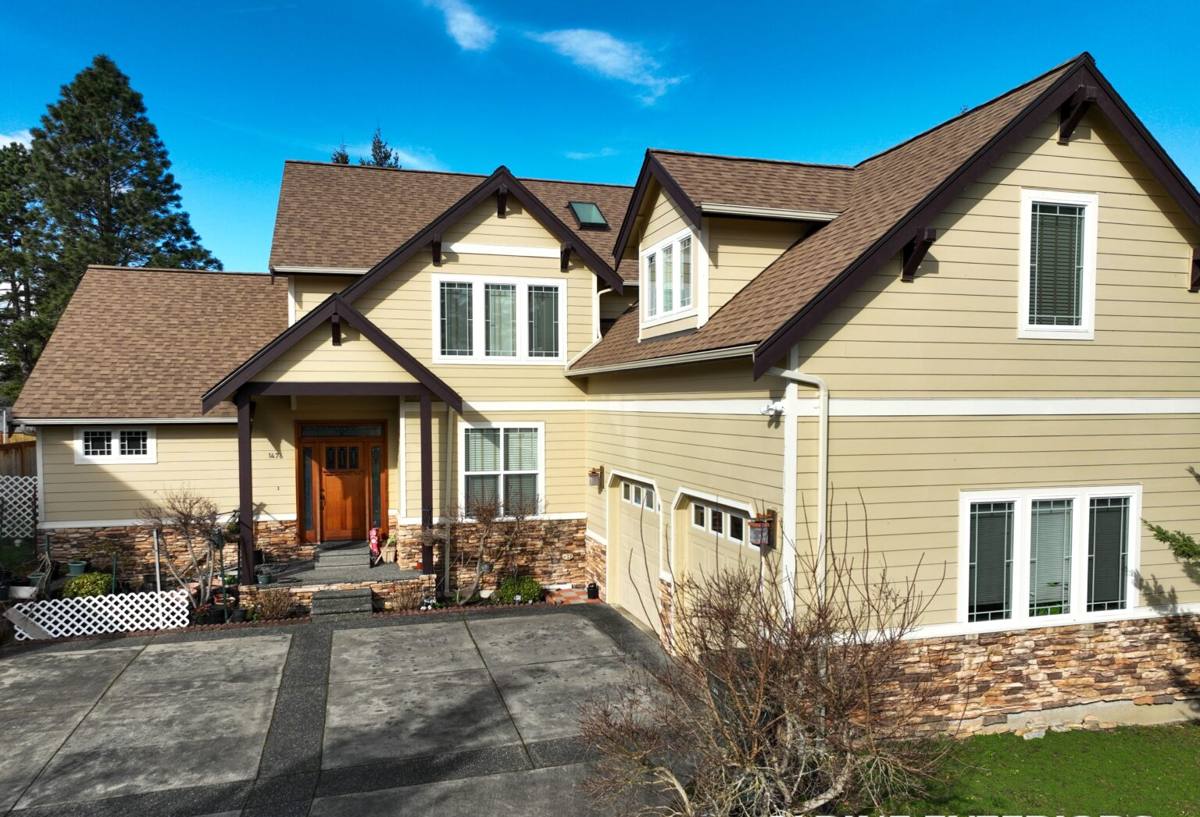
What Clearwater Homes Actually Need From Their Siding
Before talking about products or process, it helps to be specific about what "climate-appropriate siding" means in a coastal Gulf Coast community rather than a general Florida town further inland.
- Resistance to salt-air corrosion on fasteners, trim, and any exposed metal components
- Dimensional stability so panels don't swell, cup, or gap after repeated humidity cycles
- Factory-cured color that doesn't chalk or fade under sustained UV exposure
- Wind resistance rated for the fastening schedules required in coastal wind zones
- Water management behind the siding, not just at the surface, since wind-driven rain will find any gap in the weather barrier
- Non-combustible material, which matters for insurance considerations as much as safety
Every one of these requirements points toward the same conclusion, which is why we've standardized on one product system rather than offering a menu of options that perform inconsistently in this climate.
Why We Only Install James Hardie Fiber Cement
We get asked regularly why we don't offer vinyl, LP SmartSide, or other lower-cost alternatives. The honest answer is that we've made a professional judgment call based on how materials perform specifically in the Tampa Bay climate over the long term, not just on a spec sheet.
Vinyl siding softens and can deform in sustained high heat, and its seams and fastening system don't hold up as well under hurricane-strength wind loads compared to a properly installed fiber cement system. Engineered wood products like LP SmartSide perform well in drier climates but carry more moisture sensitivity at cut edges and seams — a real liability in a place with our humidity and rain patterns. Cedar and primed spruce require an ongoing maintenance commitment that most homeowners don't want to sign up for twice a decade, and salt air accelerates the wear on both.
James Hardie fiber cement is non-combustible, holds its shape in heat and humidity, and its HZ5 product line is specifically engineered for high-humidity, storm-prone climates like ours. The ColorPlus factory finish is baked on and warranted against fading and peeling in a way that field-applied paint simply isn't. It's not the cheapest material on the market, and we're upfront about that. But when a Clearwater homeowner asks us what will still look right and perform correctly in fifteen years, fiber cement is the honest answer.
What a Correct Siding Installation Actually Involves
The material only performs as well as the installation behind it. A large share of siding failures we get called to inspect on other contractors' work trace back to installation shortcuts, not the product itself. A correct James Hardie installation in this climate includes:
Water Management Behind the Panels
A weather-resistive barrier goes on the sheathing first, with all seams properly lapped and taped. Flashing gets installed at every window, door, and penetration so that any water that gets behind the siding has a path back out instead of pooling against the wall assembly.
Correct Clearances
Hardie's own installation instructions call for specific clearances from grade, roofing, decks, and other flatwork — often overlooked because it costs a little more labor to do right. Too little clearance and the bottom edge of the siding wicks moisture over time, especially with the humidity levels typical of coastal Pinellas neighborhoods.
Fastening for Wind Zones
Fastener type, spacing, and embedment depth all change based on the local wind zone and whether the installation is over wood or steel framing. This isn't a place to eyeball it — it's specified, and it's the difference between siding that stays put in a tropical storm and siding that doesn't.
Joint and Seam Treatment
Butt joints, corners, and trim intersections need to be treated correctly with the right sealants and flashing details so they don't become entry points for wind-driven rain, which is one of the more common ways water gets behind siding in this region.
Our Process, Start to Finish
- On-site assessment — we look at the existing wall assembly, check for hidden moisture or rot, and evaluate wind exposure specific to the property's location and orientation
- Product and color selection — walking through Hardie's HZ product lines and ColorPlus palette options suited to the home's style and HOA requirements where applicable
- Tear-off and substrate inspection — removing existing siding down to the sheathing and repairing any damaged framing or decking before anything new goes up
- Weather barrier and flashing installation — the unglamorous part of the job that determines how the siding performs for the next 30 years
- Panel installation — following Hardie's fastening and clearance specifications for our wind zone
- Trim, caulking, and finish detailing — completing corners, window and door trim, and touch-up painting where field cuts expose raw edges
- Final walkthrough — reviewing the completed work with the homeowner and confirming everything meets both Hardie's installation standards and our own
Comparing Siding Approaches for a Coastal Climate
| Factor | Vinyl | LP SmartSide / Engineered Wood | James Hardie Fiber Cement |
|---|---|---|---|
| Salt air / humidity resistance | Moderate | Lower — moisture-sensitive edges | High |
| High-wind performance | Lower — panel and seam limits | Moderate | High, rated for coastal wind zones |
| UV / color retention | Fades and chalks over time | Depends on field-applied paint | Factory-baked ColorPlus finish |
| Combustibility | Combustible | Combustible | Non-combustible |
| Typical maintenance cycle | Low, but limited repair options | Repaint every several years | Repaint interval extended by factory finish |
This isn't a claim that other materials are unusable everywhere — it's a reflection of what actually holds up under the specific combination of salt exposure, UV intensity, and storm wind loading that a Clearwater home deals with every year.
Why Local Experience Matters More Than It Seems
Siding installation looks similar on paper anywhere in the country, but the details that separate a job that lasts from one that fails early are regional. A crew that works Clearwater and the broader Tampa Bay area regularly already knows the wind zone requirements, has a feel for how quickly humidity moves through an open wall assembly on a summer afternoon, and has seen firsthand how salt air affects fasteners and trim over a few years. That experience shows up in small decisions on the job site — how flashing gets lapped, how long a wall stays open before it's dried in, how joints get treated — that don't show up on an estimate but absolutely show up ten years later.
Signs a Contractor Doesn't Have Local Coastal Experience
- Vague or generic answers about wind zone fastening requirements
- No mention of moisture barrier or flashing details when describing the process
- Offers vinyl or engineered wood as an equivalent substitute without discussing climate trade-offs
- Can't speak to Hardie's specific HZ product lines or ColorPlus warranty terms
- Rushes the tear-off and substrate inspection step
Maintaining Fiber Cement Siding After Installation
One advantage of a correctly installed James Hardie system is how little ongoing maintenance it demands compared to alternatives, but "low maintenance" isn't "no maintenance," especially in a salt-air environment.
- Rinse the exterior periodically to clear salt residue and airborne debris, particularly on sides facing the water
- Inspect caulking at trim and joints annually and reseal if it's cracking or pulling away
- Keep irrigation heads and sprinklers from spraying directly on siding, which shortens the life of any exterior finish
- Trim vegetation back from walls to maintain airflow and reduce trapped moisture
- Have a professional check flashing and clearances after any major storm event
Getting Started
If your Clearwater home's siding is showing its age — cracking, warping, holding moisture, or just past its practical lifespan — we're happy to take a look and give you a straightforward assessment of what's going on and what it would take to fix it right. There's no pressure and no obligation. Fill out the form below for a free estimate, and we'll walk the property with you and talk through the options in plain terms.