 Tampa Roofing
 Hyde Park's Homes Face a Tougher Climate Than Most Siding Is Built For
Hyde Park is one of Tampa's oldest and most walkable neighborhoods, with a mix of early-1900s bungalows, Craftsman-style homes, and newer infill construction sitting close to Tampa Bay. That proximity to the water is part of what makes the neighborhood desirable — and part of what makes exterior siding choices here more consequential than they are a few miles inland.
Homes in this part of Hillsborough County deal with a combination of stresses that few siding products are actually engineered for: sustained hurricane-force wind gusts during tropical systems, wind-driven rain that gets pushed sideways into wall assemblies, intense year-round UV exposure that fades and degrades weaker materials, and a steady dose of salt air drifting in off the bay. Any one of these on its own is manageable. Together, over years, they expose the weak points in vinyl, wood, and lower-grade composite siding fast — cracking, warping, fading, and moisture intrusion behind the cladding.
That combination is exactly why we standardized on James Hardie fiber cement for every home we side, and why we're explaining here what that actually means for a Hyde Park property specifically, not siding in general.
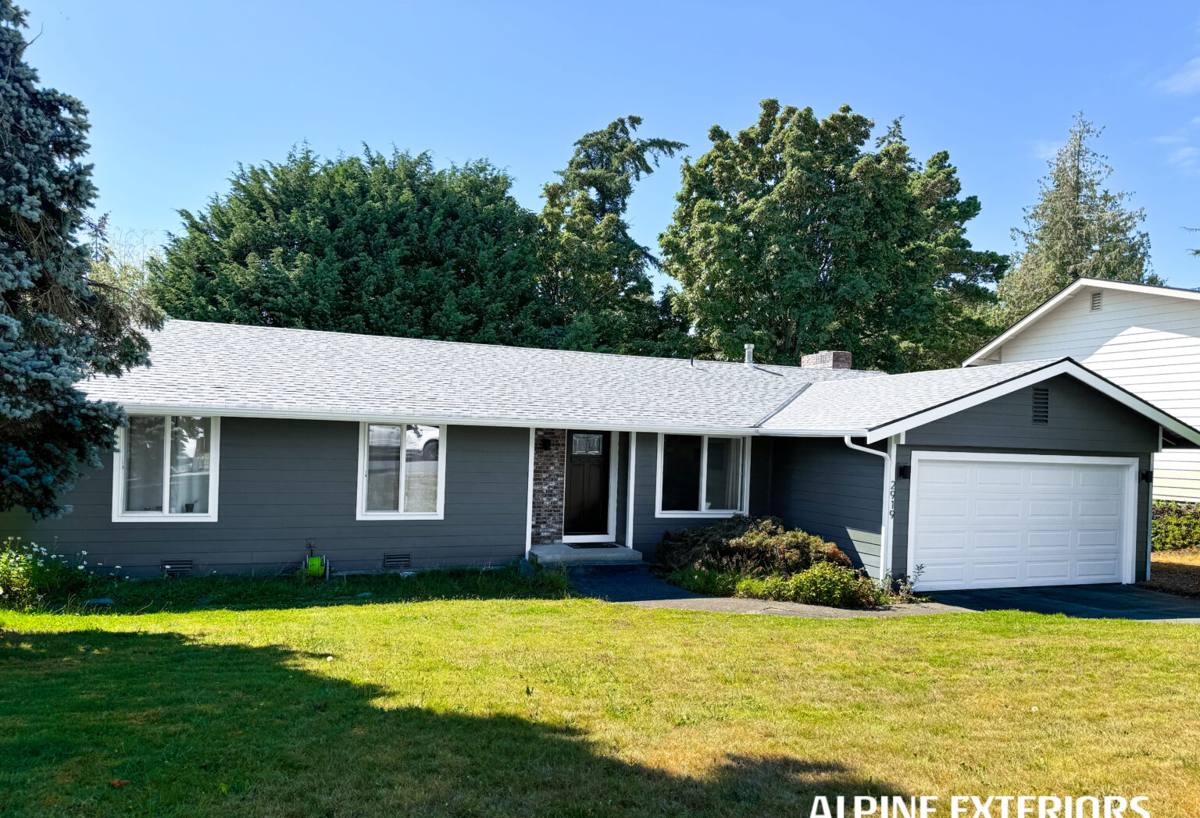
Why We Only Install James Hardie — Not Vinyl, Not Wood, Not LP SmartSide
We get asked regularly why we don't offer vinyl siding, wood siding, or engineered wood products like LP SmartSide. The honest answer is that we've made a professional judgment call about what holds up in this climate over the long term, and we'd rather stand behind one product system we trust completely than offer three we have reservations about.
- Vinyl is affordable and low-maintenance, but it softens and can distort under intense, sustained Florida UV and heat, and it's more vulnerable to cracking under wind-driven debris in a storm.
- Untreated or primed wood looks great initially but needs a disciplined repainting and caulking schedule to survive Gulf Coast humidity and salt air — skip a cycle and moisture gets in.
- Engineered wood products (like LP SmartSide) have improved a lot, but they're still wood-based, meaning they carry inherent moisture sensitivity at cut edges and panel joints that fiber cement doesn't have.
James Hardie's fiber cement is non-combustible, dimensionally stable in heat and humidity swings, and doesn't rot, swell, or attract termites the way wood-based products can. It's not the cheapest material on the market, but for a neighborhood like Hyde Park — where homes represent significant long-term investments — it's the product we're willing to warranty our workmanship on.
Matching Hardie's Product Lines to Hyde Park's Architecture
Part of what makes Hyde Park distinct is its architectural mix — traditional lap siding on bungalows and Craftsman homes, shingle-style accents on gables and dormers, and cleaner board-and-batten looks on newer builds. James Hardie makes purpose-built product lines for each of these, so matching the material to the house isn't a compromise.
| Hardie Product | Best Suited For | Look |
|---|---|---|
| HardiePlank Lap Siding | Bungalows, Craftsman homes, most traditional Hyde Park facades | Classic horizontal lap, smooth or cedar-textured |
| HardieShingle | Gable accents, dormers, Craftsman-style detailing | Staggered or straight-edge shingle profile |
| HardiePanel (Board & Batten) | Modern infill homes, porch accents, garage facades | Vertical panel with batten strips |
| HardieTrim | Window and door surrounds, corner boards, fascia | Clean, paintable trim that resists rot better than wood |
All of these are available with ColorPlus Technology — a factory-baked finish that holds color far longer than field-applied paint and stands up better to the UV load this part of Florida gets nearly every day of the year.
What a Correct Installation Actually Involves
Fiber cement siding is only as good as the installation behind it. James Hardie engineers the product to perform in high-wind, high-moisture climates, but that performance depends entirely on following their installation specifications — and this is where a lot of siding jobs, from any contractor, go wrong.
The details that matter most in a coastal-influenced climate like Tampa's
- Correct HardieZone rating — Hillsborough County falls in HZ5, and Hardie's HZ5 product formulation is engineered specifically for humid, hurricane-prone climates like ours.
- Proper flashing and water-resistive barrier behind every panel, so wind-driven rain during a tropical system has nowhere to get behind the cladding.
- Manufacturer-specified fastener spacing and type — under-fastening is one of the most common causes of siding failure in high-wind events, and it's invisible once the job looks "done."
- Minimum clearances from grade, roofing, and decking, so moisture doesn't wick into the bottom edge of the siding.
- Caulked and sealed joints and penetrations at every seam, outlet, vent, and fixture — done with product rated for exterior, humid-climate use.
- Factory-primed cut edges sealed on-site, since an exposed raw edge is the fastest way to compromise fiber cement's moisture resistance.
None of this is visible from the curb once the job is finished — which is exactly why it matters who's doing the work, not just what material they're using.
Salt Air, Humidity, and Long-Term Maintenance
Homes near Tampa Bay deal with a steady low-level exposure to salt-laden air that accelerates corrosion on fasteners, trim, and unprotected metal components. This is a slower, quieter threat than a hurricane, but it adds up over a decade or more. It's part of why we use corrosion-resistant fasteners and trim components rated for coastal exposure, and why ColorPlus finishes matter — a factory finish resists the chalking and fading that salt air and UV accelerate on field-painted surfaces.
Once installed correctly, Hardie siding is genuinely low-maintenance compared to wood or vinyl, but "low-maintenance" doesn't mean "no maintenance." A simple annual rinse-down, prompt caulk touch-ups where needed, and a post-storm visual check are enough to keep it performing for decades.
Simple checks Hyde Park homeowners can do between professional inspections
- Look for hairline cracks at panel joints or corners after any major storm
- Check that caulking around windows, doors, and penetrations hasn't dried out or pulled away
- Watch for any soft spots, staining, or discoloration near the bottom edge of the siding, which can signal moisture wicking from grade
- Confirm gutters and downspouts are directing water away from siding, not sheeting down the wall
- Rinse siding with a garden hose periodically to clear salt residue and pollen buildup
Our Process, Start to Finish
We keep the process straightforward because homeowners deserve to know what's happening to their house and why:
- On-site assessment — we inspect existing siding, sheathing, and moisture barrier condition, not just the surface.
- Product and color selection — matched to your home's architectural style, using Hardie's ColorPlus palette or a site-applied option if you prefer.
- Written estimate — clear scope, materials, and timeline, no vague allowances.
- Tear-off and substrate check — we don't cover up rot or compromised sheathing; it gets addressed before new siding goes on.
- Installation to Hardie's HZ5 specification — flashing, fastening, and sealing done to manufacturer standard, not shortcuts.
- Final walkthrough — we go over the finished work with you before calling the job done.
Why It Matters That Your Crew Already Works in Hyde Park
Siding installation isn't one-size-fits-all, even within Tampa. A crew that regularly works Hyde Park's older homes understands the quirks that come with houses built decades before modern building codes — older framing, settled foundations, non-standard wall thicknesses, and in some cases, homes within a historic district where exterior changes get extra scrutiny. That's different work than siding a brand-new build in a suburban subdivision, and it shows in the fit and finish when it's handled by people who've done it before, in this neighborhood, under these conditions.
It also means faster, more realistic scheduling. We already know the permitting expectations for Hillsborough County and the City of Tampa, and we plan installation timing around hurricane season rather than getting caught mid-project by it.
What Drives the Cost of a Hyde Park Siding Project
| Factor | Why It Matters |
|---|---|
| Home size and complexity | More linear footage, corners, and rooflines increase material and labor time |
| Substrate condition | Rotted or damaged sheathing found during tear-off adds repair scope before siding can go on |
| Product line and profile | Lap, shingle, and board-and-batten have different material and labor costs |
| Finish choice | Factory ColorPlus finish vs. site-applied paint affects both cost and long-term maintenance |
| Trim and detail work | Craftsman and bungalow-style homes often have more trim, corner, and eave detail than simpler facades |
| Access and site conditions | Mature landscaping, tight lot lines, and multi-story sections affect labor time |
We don't quote broad per-square-foot numbers on this page because an honest estimate depends on seeing the actual house — but every proposal we provide breaks down materials and labor clearly, so you know what you're paying for.
If you're weighing a siding replacement for a Hyde Park home, we're glad to come take a look and walk you through what your specific house needs — no pressure, no obligation. Request a free estimate below and we'll get in touch to schedule a time that works for you.