 Tampa Roofing
 Fiber Cement Siding Built for Westchase's Climate
Westchase homes sit inland from Tampa Bay but still take a beating from the same weather that punishes the whole Gulf Coast: long, humid summers, intense UV exposure nearly every day of the year, sudden tropical downpours driven sideways by wind, and the occasional direct hit from a tropical system or hurricane. Add in the salt-laden air that drifts across Hillsborough County from the bay, and you have a climate that is genuinely hard on exterior building materials. Siding here isn't just cosmetic — it's the first line of defense for the wood framing, sheathing, and insulation behind it.
We install fiber cement siding exclusively — specifically James Hardie products engineered for exactly this kind of climate. This page covers what that means for a Westchase home specifically: what the siding needs to hold up to, what a correct installation actually involves, and how our process works from first look to final walk-through.
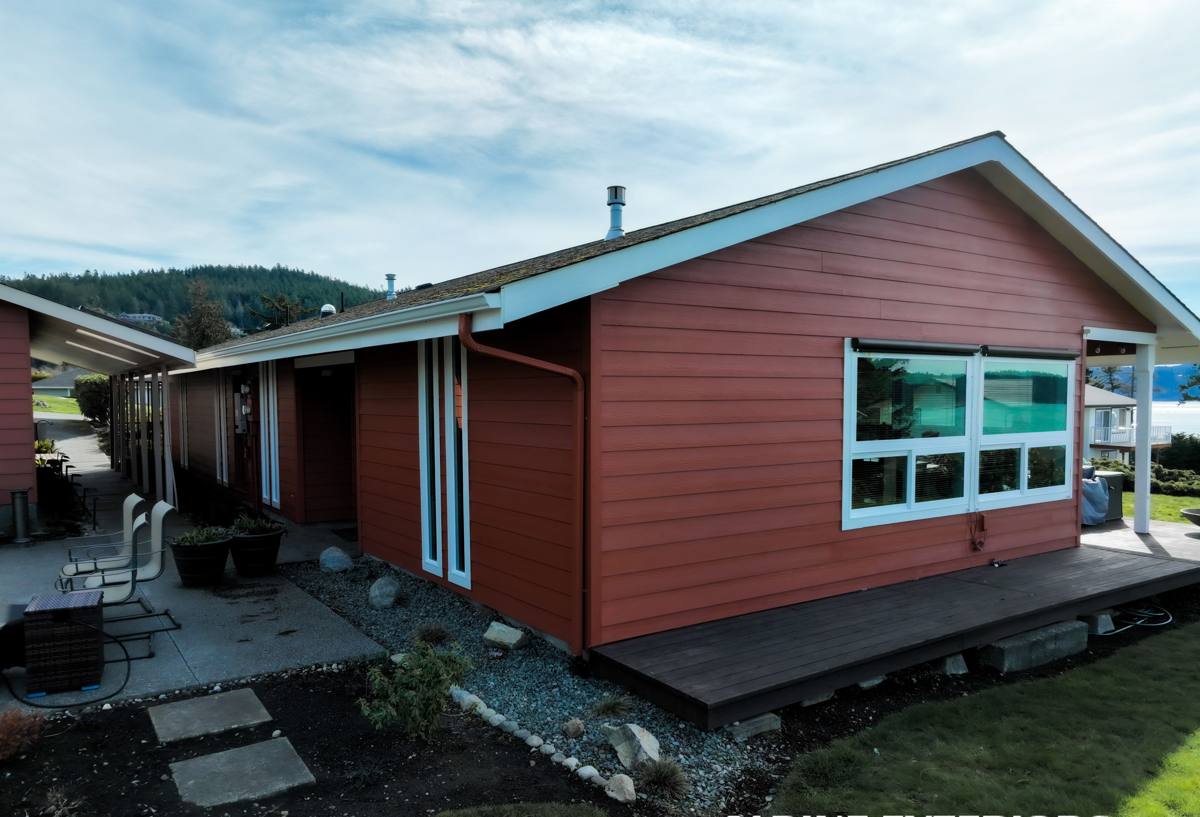
What Westchase Siding Is Actually Up Against
Wind and Wind-Driven Rain
Even when a storm doesn't make direct landfall nearby, Tampa's tropical weather season routinely brings sustained winds and gusts strong enough to test how siding is fastened, not just what it's made of. Wind-driven rain is arguably the bigger long-term threat — it gets pushed into seams, laps, and penetrations that would stay dry in a normal rain event. Siding that isn't installed with the right overlaps, flashing, and fastening pattern will eventually let moisture behind it, and once that happens the damage is happening where you can't see it.
Year-Round UV Exposure
Florida's sun angle and day length mean exterior surfaces get more cumulative UV exposure than most of the country sees in a year. Paint-grade materials chalk, fade, and break down faster here. This is one of the biggest reasons we don't install products that rely on job-site paint or unfinished wood exteriors — they simply don't hold color or integrity as long under this sun.
Humidity and Moisture Cycling
Hillsborough County's humidity keeps exterior materials damp more of the year than dry climates ever experience. Materials that absorb moisture swell, and materials that swell and dry repeatedly eventually warp, delaminate, or rot at the edges. Any siding product that isn't dimensionally stable in high humidity is fighting the local climate from day one.
Salt Air
Westchase isn't waterfront, but Tampa Bay's salt air travels well inland on prevailing winds. Salt exposure accelerates corrosion on fasteners and trim, and it speeds up the breakdown of coatings that aren't formulated to resist it. Fastener choice and finish quality matter more here than in inland, non-coastal markets.
Why We Install Only James Hardie Fiber Cement
We standardized on James Hardie siding for every home we side, including throughout Westchase, because it's engineered specifically for the problems described above.
- Non-combustible material — fiber cement doesn't feed a fire the way wood-based products can, which matters for insurance and long-term peace of mind.
- HZ10 climate-engineered formulation — Hardie's HZ10 product line is engineered specifically for hot, humid, high-moisture climates like ours, with better resistance to moisture-related damage than their standard formulations.
- ColorPlus factory finish — the color is baked on in a controlled factory environment, not brushed on outdoors in Florida heat and humidity. It holds color longer and resists the fading and chalking that job-site paint suffers under constant UV.
- Dimensional stability — fiber cement doesn't swell, warp, or rot the way wood and wood-composite sidings can when they cycle through humidity and rain.
- Strong transferable warranty — backed by a manufacturer warranty that holds up when the product is installed to Hardie's own specifications, which is why installation quality is non-negotiable for us.
We don't install vinyl, LP SmartSide, primed wood, or other fiber cement brands. That's a standard we hold across every job, not a sales pitch specific to this page — it's the product system we trust to perform in Hillsborough County's climate over the long haul.
What a Correct Fiber Cement Installation Involves
Fiber cement siding is only as good as its installation. A huge share of the moisture and warranty problems we see on other contractors' work trace back to installation shortcuts, not the material itself. A correct job in a climate like Westchase's includes:
Water Management Behind the Siding
House wrap or weather-resistive barrier installed correctly, proper flashing at every window, door, and penetration, and a drainage plane that lets any moisture that does get behind the siding find its way back out instead of sitting against the sheathing.
Fastening to Spec
James Hardie publishes specific fastener types, spacing, and penetration requirements for wind zones like ours. Corrosion-resistant fasteners matter here given the salt air, and correct fastener placement is what keeps siding attached through wind events instead of working loose over time.
Proper Clearances and Gaps
Siding installed too close to grade, roof lines, decks, or other siding without the manufacturer's required clearance traps moisture and voids warranty coverage. This is one of the most common mistakes we find when we're asked to look at problem installs from other contractors.
Caulking and Sealant Discipline
Joints, seams, and trim need the right sealant applied correctly — not as a substitute for proper flashing, but as a complement to it. Over-reliance on caulk instead of correct water management is a shortcut that fails first in wind-driven rain.
Our Process for Westchase Homes
| Step | What Happens |
|---|---|
| 1. Free on-site estimate | We walk the exterior, assess current siding condition, check for underlying moisture or substrate issues, and talk through product options. |
| 2. Detailed proposal | Clear scope, product line and color selection, and a firm price — no vague allowances or surprise add-ons. |
| 3. Prep and protection | Landscaping, walkways, and property are protected before removal begins; existing siding and any damaged sheathing is removed and inspected. |
| 4. Weather barrier and flashing | House wrap, flashing, and drainage details installed to spec before a single piece of siding goes up. |
| 5. Hardie installation | Panels or planks installed with correct fastening, clearances, and joint treatment per James Hardie's requirements for our wind zone and climate. |
| 6. Final walk-through | We review the finished work with you, confirm warranty registration, and answer any maintenance questions. |
Why Hiring a Crew That Already Works Westchase Matters
Siding work in Westchase isn't generic exterior work — it's siding work under Hillsborough County's permitting requirements, in a wind zone that dictates specific fastening and product requirements, and in HOA-governed communities that often have their own color and material guidelines. A crew that regularly works this area already knows the local permitting process, understands the wind-load requirements that apply here, and has likely already navigated HOA approval processes similar to yours. That familiarity translates into fewer delays and fewer surprises for you.
It also means we understand what actually fails on homes in this specific climate, because we've seen it up close — not in a training manual, but on real Tampa-area homes. That's a different level of judgment than a crew installing siding here for the first time.
Signs Your Westchase Home May Need Siding Attention
- Visible warping, buckling, or soft spots, especially near the bottom courses close to grade
- Cracked or peeling paint that keeps returning faster than it should
- Soft or spongy areas when pressed gently, which can indicate moisture behind the siding
- Gaps opening up at seams, corners, or trim boards
- Visible fastener corrosion or staining running down from nail heads
- Rising energy bills that may point to a compromised building envelope
Cost Factors for Westchase Siding Projects
Every home is different, so we don't quote pricing sight unseen, but a few factors consistently drive cost on siding projects in this area:
| Factor | Why It Matters |
|---|---|
| Home size and wall complexity | More square footage and more corners, gables, and architectural detail increase labor time. |
| Substrate condition | Rotted or water-damaged sheathing found during tear-off has to be repaired before new siding goes up. |
| Product profile and finish | Lap siding, panel siding, and trim/accent choices carry different material costs within the Hardie lineup. |
| Existing siding removal | Full tear-off versus a simpler removal affects labor and disposal costs. |
| Access and site conditions | Tight lot lines, landscaping, or multi-story sections can affect equipment and labor time. |
Maintaining Fiber Cement Siding in Tampa's Climate
One of the practical advantages of fiber cement in a climate like ours is how little ongoing maintenance it demands compared to wood or wood-composite alternatives. It doesn't need repainting on the same cycle as painted wood siding, it resists the pest and rot issues that come with humidity, and it holds up to UV exposure far better than most alternatives. Periodic rinsing to clear salt residue and pollen, along with a visual check after major storms, is generally all it takes to keep it performing as designed.
If your Westchase home's siding is showing its age, or you're planning ahead for a replacement, we'll come take a look and give you an honest, no-pressure assessment. There's no cost and no obligation — just a straight answer about what your home needs and what it would take to do the job right. Fill out the form below to schedule your free estimate.