 Tampa Roofing
 Siding Installation for Hyde Park, Tampa
Hyde Park is one of Tampa's older, established neighborhoods, sitting close to the water with a mix of historic-era homes and newer infill construction. That combination — age, proximity to Tampa Bay, and mature tree canopy — means the siding on a Hyde Park home works harder than siding almost anywhere inland. It's dealing with salt-laden air, deep shade cycling to direct sun, wind-driven rain off the bay, and the occasional direct hit from a tropical system. A siding installation done here needs to be planned around those realities, not treated like a generic exterior upgrade.
This page covers what siding installation actually involves for a Hyde Park property, what the local climate demands from the material and the install, and why we only install one product system on homes in this area.
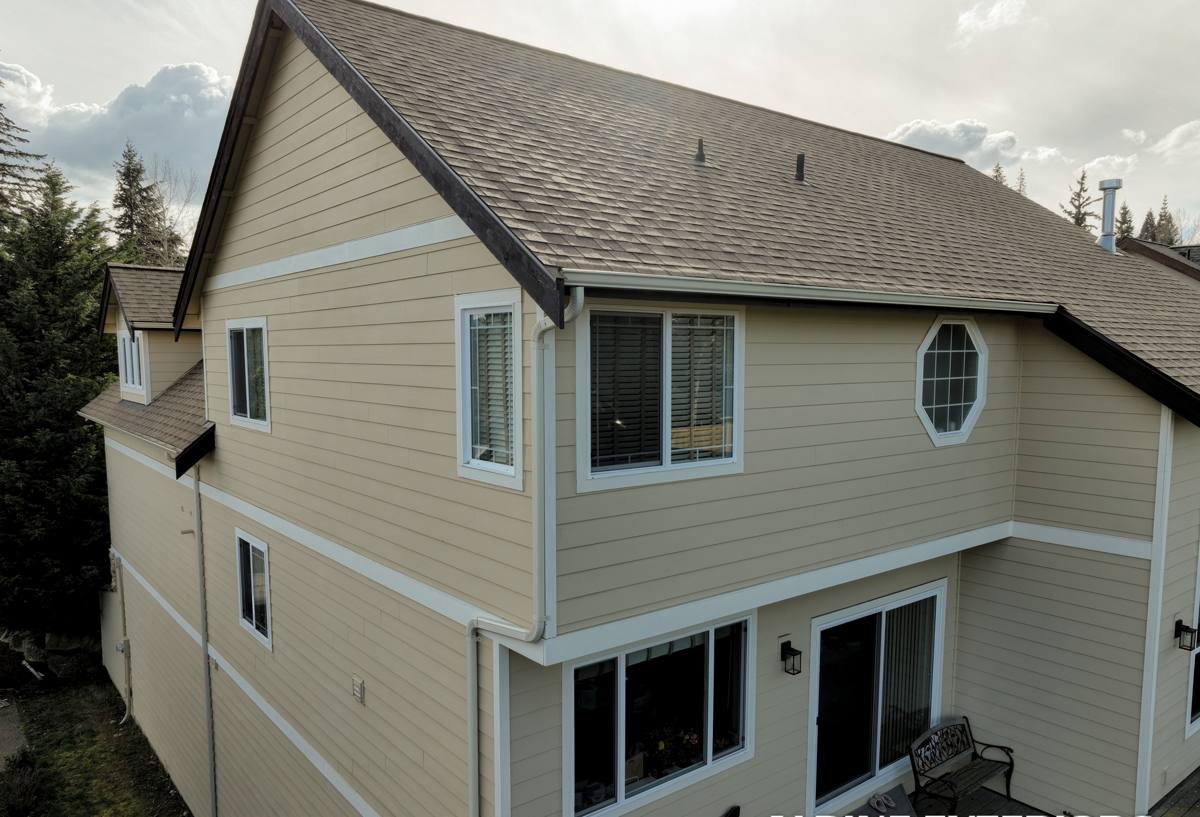
What Hillsborough County's Climate Does to Siding
Every siding material reacts differently to heat, moisture, and wind. In Hyde Park, all three show up at once, for most of the year.
Year-Round UV and Heat
Tampa gets strong, direct sun nearly every month of the year. Cheaper siding finishes chalk, fade, or go brittle under that kind of sustained UV exposure. A siding product's paint or finish system matters as much as the substrate underneath it — a great material with a weak factory finish will still look tired in a handful of years.
Humidity and Moisture Cycling
Hillsborough County's humidity means siding is rarely fully dry. Materials that absorb moisture swell, and materials that swell and dry repeatedly eventually warp, buckle, or let paint fail at the seams. What matters isn't just whether a product can get wet — it's how it behaves after getting wet a few hundred times a year.
Wind and Wind-Driven Rain
Tampa Bay sits in a hurricane-exposed part of the Gulf Coast, and Hyde Park's location near the water puts it in the path of wind-driven rain during tropical storms and seasonal squalls alike. Rain doesn't just fall here — it gets pushed sideways into lap joints, corners, and trim. Fastening pattern, panel overlap, and flashing detail all matter more in wind-driven rain than they do in a calmer climate.
Salt Air
Being near the bay means airborne salt settles on exterior surfaces even a few miles inland. Salt exposure accelerates corrosion on fasteners and hardware and can degrade certain finishes faster than the same product would wear in a dry, inland climate.
Why We Only Install James Hardie Fiber Cement Siding
We standardized on James Hardie fiber cement for every home we side, including in Hyde Park, and we don't install vinyl, LP SmartSide, Cemplank, Allura, primed spruce, or cedar. That's not a marketing position — it's a decision based on what holds up under the conditions described above.
Fiber cement is not organic and does not swell, rot, or feed pests the way wood-based siding can. It's also non-combustible, which matters to some homeowners and insurers regardless of climate. James Hardie specifically engineers regional product lines — its HZ5 line is built for climates with the kind of humidity and moisture cycling Tampa sees — and backs its panels with a factory-applied ColorPlus finish designed to resist UV fade better than field-applied paint. The company's warranty is also transferable, which matters in a neighborhood like Hyde Park where homes change hands.
We're not going to tell you every other siding product is worthless — vinyl is inexpensive and low-maintenance in mild climates, and engineered wood products have their fans. But we've made a professional call that, for what a Hyde Park home is asked to withstand, fiber cement is the material we're willing to put our install crews and our name behind.
What a Correct Siding Installation Actually Involves
Siding failures in Florida are rarely about the panel itself — they're almost always about what's happening behind it. A correct installation pays as much attention to what you don't see as what you do.
| Install Element | Why It Matters in Tampa's Climate |
|---|---|
| Weather-resistive barrier | Manages the moisture that gets past the siding before it ever reaches the sheathing |
| Flashing at windows, doors, and penetrations | Directs wind-driven rain away from the wall assembly instead of behind it |
| Fastener type and spacing | Correct fasteners and pattern resist high wind uplift and won't corrode quickly in salt air |
| Panel clearance from grade, roofline, and decks | Keeps siding from sitting in standing water or trapped humidity |
| Caulking and joint treatment | Manufacturer-specified sealant at seams stops water intrusion at the most vulnerable points |
Every one of these details is spelled out in James Hardie's installation instructions, and skipping any of them can void the product warranty even if the siding itself is installed. That's a big part of why installer experience matters as much as the product choice.
Common Shortcuts That Cause Early Problems
- Face-nailing or overdriving fasteners instead of following the specified nailing pattern
- Skipping or reusing a compromised weather barrier to save time
- Installing siding tight to the roofline, deck, or grade with no clearance gap
- Using the wrong fastener material, which corrodes faster in a salt-air environment
- Caulking joints that should be left to shed water, or leaving joints uncaulked that should be sealed
Our Process for a Hyde Park Siding Project
The steps don't change dramatically from house to house, but the details we watch for are specific to older, coastal-adjacent neighborhoods like this one.
1. On-Site Assessment
We look at the existing wall assembly, any moisture damage under the current siding, window and door flashing condition, and how exposed the home is to prevailing wind and driving rain.
2. Tear-Off and Substrate Repair
Old siding comes off and we inspect the sheathing underneath. Any rot, soft spots, or existing moisture damage gets repaired before anything new goes on — installing new siding over a compromised substrate just hides the problem.
3. Weather Barrier and Flashing
A new weather-resistive barrier goes on, along with flashing at every window, door, and penetration point, installed to shed water downward and outward.
4. Installation to Manufacturer Spec
Hardie panels or planks go up following James Hardie's fastening, clearance, and joint-treatment specifications — not a generalized "siding install," but the specific instructions for the product and the HZ zone it's engineered for.
5. Trim, Caulk, and Finish Detail
Trim work, caulking at appropriate joints, and touch-up on any factory-finished ColorPlus panels that were cut on site.
6. Final Walkthrough
We walk the finished job with the homeowner, checking clearances, seams, and finish quality before calling it complete.
Signs a Hyde Park Home May Need New Siding
- Visible warping, buckling, or gaps between siding panels
- Paint that's peeling, bubbling, or chalking heavily to the touch
- Soft spots when you press on the siding near the base of the wall
- Persistent moisture or musty smell along interior walls that back up to exterior siding
- Visible wood rot or pest activity at siding seams or corners
- Siding that shows storm damage after high wind or heavy wind-driven rain events
Any one of these on its own might not mean a full replacement, but a few together — especially on a home more than a couple of decades old — usually means it's worth having someone look at the wall assembly, not just the surface.
What Affects the Cost of a Siding Installation
We're not going to quote a number here, because it genuinely depends on the house, but these are the factors that move the price up or down on most Hyde Park projects.
| Cost Factor | How It Affects the Project |
|---|---|
| Home size and wall square footage | More surface area means more material and labor hours |
| Tear-off vs. install over existing substrate repair | Discovering rot or damage during tear-off adds repair scope before new siding can go on |
| Trim and architectural detail | Bay windows, dormers, and decorative trim take more time to flash and finish correctly |
| Siding profile and accessories | Lap siding, board-and-batten, and trim accessories carry different material and labor costs |
| Site access | Tight lots, mature landscaping, and close-set homes — common in Hyde Park — can slow staging and increase labor time |
Why Hiring a Crew That Already Works in Hyde Park Matters
Older neighborhoods close to the water come with wrinkles that a crew working from a generic playbook can miss. Some Hyde Park properties are near the neighborhood's historic core, where design review or additional guidelines can apply to exterior changes — worth checking on before work starts, not after. Lot sizes tend to be tighter than newer Tampa subdivisions, which affects how a crew stages material and equipment. And homes in this pocket of Hillsborough County have often already been through several storm seasons, so a crew that's opened up Hyde Park walls before has a better sense of what's usually hiding behind the existing siding before the first panel comes off.
None of that replaces a proper on-site assessment, but it does mean fewer surprises and a more accurate estimate up front.
Caring for James Hardie Siding After Installation
One of the practical advantages of fiber cement with a factory-applied finish is how little upkeep it needs compared to painted wood siding. A periodic rinse to clear off salt residue and pollen, prompt attention to any caulking that starts to crack or pull away, and keeping irrigation and sprinklers from soaking the base of the wall day after day will keep a correctly installed system performing the way it's designed to for decades.
If your Hyde Park home's siding is showing its age, or you're planning ahead of the next storm season, we're happy to take a look and walk you through what we're seeing — no pressure, no obligation. Fill out the form below for a free estimate.