 Tampa Roofing
 Building Decks for Hyde Park's Real Weather, Not a Showroom
Hyde Park sits close enough to Hillsborough Bay that salt-laden air is part of daily life, and like the rest of the Tampa area, the neighborhood takes the full brunt of Florida's climate: hurricane-force wind events, intense sun nearly every month of the year, wind-driven rain that gets pushed sideways into fasteners and seams, and humidity that never really lets up. A deck built to a generic national spec can look fine for a season or two and then start showing problems — cupped boards, rusted hardware, loose railings — well before it should. A deck built for this specific climate is a different product, from the footings up.
This page covers what we've learned building and repairing decks in Hyde Park and the surrounding Tampa area: what the climate demands, what a correctly built deck actually involves, how our process works, and what to look for in any contractor you're considering.
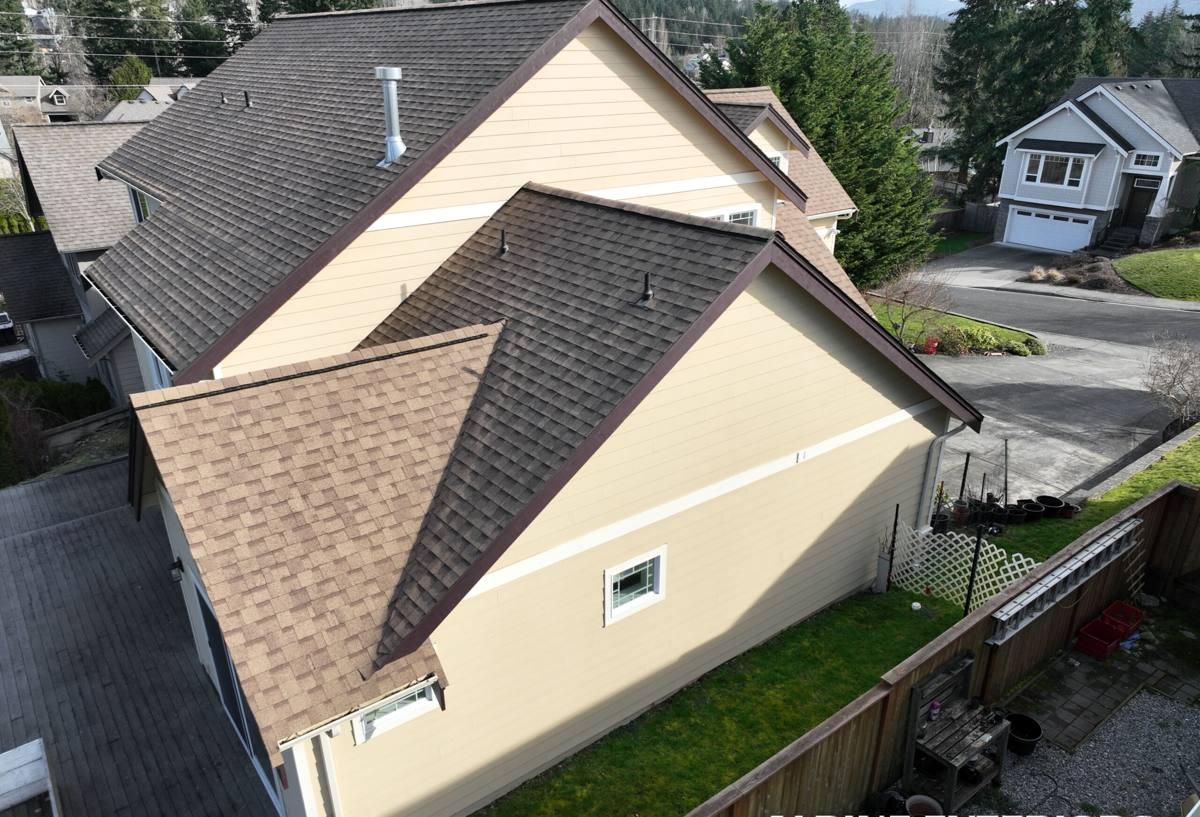
What Hyde Park's Setting Does to a Deck Over Time
Salt Air and Humidity
Proximity to the bay means airborne salt settles on everything outdoors, including deck hardware. Standard zinc-plated screws and brackets corrode faster here than they would inland, which is why fastener choice matters more in Hyde Park than it does in, say, a landlocked subdivision. Combined with Tampa's year-round humidity, this also means wood decking is almost always damp at some level — even when it looks dry — which affects how it expands, contracts, and eventually decays.
Sun Exposure
Florida sun is intense for most of the year, and UV breaks down surface finishes, fades color, and dries out the natural oils in wood decking, leading to graying, splintering, and checking (small surface cracks). Composite decking isn't immune either — lower-grade composite can fade or chalk under sustained UV if it wasn't manufactured with adequate UV inhibitors.
Wind and Wind-Driven Rain
Hurricane season brings sustained high winds and gusts that put real lateral load on railings, stairs, and the ledger board connecting a deck to the house. Wind-driven rain also gets forced into places a light rain never reaches — under railing caps, into post bases, behind ledger flashing — so water management has to be designed in, not added as an afterthought.
Established Trees and Older Lots
Hyde Park is known for its mature tree canopy and older, established lots. That's part of the neighborhood's character, but it also means deck designs often have to work around root systems, dappled or heavy shade (which slows wood drying after rain and encourages mildew), and in some cases older home foundations that need careful ledger attachment.
What a Correctly Built Custom Deck Includes
"Custom" should mean the deck is designed for your specific house, lot, and how your family actually uses outdoor space — not just a different railing style bolted onto a standard rectangle. A properly built deck in this climate includes:
- Footings sized and set below the local frost-free depth requirement and rated for the load, per Hillsborough County code
- A structurally sound ledger connection to the house, properly flashed to keep water out of the band joist
- Corrosion-resistant fasteners and structural hardware rated for coastal or high-moisture exposure
- Joist spacing and beam sizing engineered for the actual decking material chosen, not just the framing minimum
- Railing and guard systems built to current wind and load requirements, especially on elevated decks
- Proper drainage and airflow underneath the deck so moisture doesn't sit and promote rot or mildew
- Stair stringers and connections sized for real-world use, not the minimum that passes inspection
Skipping any one of these doesn't usually show up as a problem on day one. It shows up two, five, or ten years later as a soft spot, a wobbly rail, or a rusted-through bracket — often costing more to fix than it would have cost to do right the first time.
Decking Material Options for Hyde Park's Climate
There's no single "best" decking material — there's a best material for your budget, your maintenance appetite, and how much sun and moisture your specific deck will see. Here's how the common options actually perform in a Tampa-area coastal climate:
| Material | Climate Performance | Maintenance | Typical Lifespan |
|---|---|---|---|
| Pressure-treated pine | Affordable, but prone to cupping/splitting under intense UV and humidity cycling if not sealed regularly | Needs re-sealing every 1-2 years in this climate | 10-15 years with upkeep |
| Tropical hardwoods (e.g., ipe) | Naturally dense and rot-resistant; handles humidity well | Periodic oiling to maintain color, or allow to gray naturally | 25+ years |
| Capped composite decking | Strong UV and moisture resistance when the cap layer is intact; look for products rated for high-UV climates | Occasional washing; no sealing or staining | 25-30 year warranties are common |
| Uncapped/older composite | More prone to fading, mold staining, and moisture absorption at cut edges | More cleaning required than capped products | Shorter effective life in coastal humidity |
We generally steer Hyde Park homeowners toward either a quality tropical hardwood or a capped composite (brands like Trex or TimberTech are common examples) when sun and salt exposure are significant, simply because the maintenance burden of lower-grade materials tends to catch up with owners faster here than it does in drier, less coastal climates. That's a professional recommendation based on how these materials behave over time in this environment, not a knock on wood decking as a category — a well-maintained pressure-treated deck is still a perfectly reasonable, budget-friendly choice for the right homeowner.
Permitting and Code in Hillsborough County
Custom decks in Tampa and Hillsborough County require a building permit in nearly all cases, and inspections typically occur at the footing/framing stage and again at final completion. Because Hyde Park includes older homes and, in some pockets, additional neighborhood or architectural review considerations, it's worth confirming early whether your specific property has any overlay requirements beyond the standard county permit — this is something we check as part of our initial site visit rather than something a homeowner should have to research alone.
Permitted work also matters at resale. An unpermitted deck can complicate a home sale or an insurance claim after storm damage, since there's no inspection record confirming it was built to code.
Our Custom Deck Process
1. On-Site Assessment and Design
We walk the property, look at drainage, sun exposure, tree cover, and how the deck will attach to the existing structure, then talk through how you actually want to use the space — dining, grilling, lounging, pool access — so the layout serves real life, not just a floor plan.
2. Material and Layout Selection
We go over decking material, railing style, and structural options with honest trade-offs on cost, maintenance, and longevity for your specific exposure, rather than a one-size-fits-all recommendation.
3. Permitting
We handle the Hillsborough County permit application and scheduling of the required inspections, so you're not the one tracking down paperwork.
4. Construction
Footings and framing go in first and get inspected before decking is installed. We flash the ledger connection properly and use corrosion-resistant fasteners throughout, given the coastal exposure in this part of Tampa.
5. Final Walkthrough
We walk the finished deck with you, confirm railings and stairs are solid, and go over basic care specific to whatever material you chose.
Maintaining a Deck in Hyde Park's Climate
Even the right material and a correctly built structure still need some seasonal attention in this climate. A simple maintenance routine goes a long way:
- Rinse salt residue and debris off the deck surface periodically, especially after storms
- Check railing posts and stair connections annually for looseness, which can indicate a fastener starting to corrode
- Reseal or oil wood decking on the schedule appropriate to that species — don't wait for visible graying to start
- Keep gutters and downspouts near the deck clear so runoff isn't dumping extra water onto or under the structure
- Trim back tree limbs that keep sections of the deck shaded and slow to dry after rain
- Inspect under the deck once or twice a year for standing water, soft framing, or signs of pests
What Custom Decks Typically Cost
Exact pricing depends on size, framing height, material, and railing/stair complexity, but here's a general sense of where cost tends to land based on the decisions that drive it most:
| Cost Factor | Lower Cost | Higher Cost |
|---|---|---|
| Decking material | Pressure-treated pine | Tropical hardwood or premium capped composite |
| Height/elevation | Ground-level, simple footings | Elevated decks needing engineered supports and stairs |
| Railing style | Standard wood or composite balusters | Cable, glass, or custom metal railing systems |
| Access/layout | Simple rectangular footprint | Multi-level, wraparound, or built-in seating/planters |
We give a firm, written quote after the site visit — not a guess over the phone — since the tree cover, existing structure, and drainage on your specific lot all factor into the real cost.
Why a Contractor Who Already Works in Hyde Park Matters
A deck built for Hyde Park needs to account for the neighborhood's mature landscaping, older housing stock, and closer proximity to salt air than homes further inland — details that matter for material choice, fastener selection, and drainage design. A crew that already works this neighborhood also has a head start on the practical side: familiarity with Hillsborough County's permitting process, an understanding of how older homes here are typically framed, and experience working carefully around established trees and tighter, more mature lots without unnecessary disruption to the property. That local experience tends to show up less in the sales pitch and more in the details that don't fail five years later.
If you're considering a custom deck in Hyde Park, we're happy to walk your property and put together a free, no-pressure estimate — just fill out the form below.