 Tampa Roofing
 What Seminole Heights Siding Has to Stand Up To
Seminole Heights sits inland from Tampa Bay, but "inland" in Hillsborough County still means the full menu of Gulf Coast weather. Summers bring months of intense, nearly overhead UV exposure that fades and chalks weaker siding materials year after year. Storm season brings wind-driven rain that doesn't just fall on a wall — it drives sideways into laps, joints, and trim, testing every seam in the installation. Tropical systems and the occasional direct hurricane threat mean siding has to hold fasteners and resist wind uplift, not just look good on a calm day. And because Tampa Bay's salt-laden air moves well beyond the immediate waterfront, homes throughout the metro — including neighborhoods like Seminole Heights — deal with a slow corrosive effect on cheap fasteners, trim, and finishes over time.
None of that is unique to one street or one house. It's the baseline every exterior surface in this part of Hillsborough County has to survive, and it's why the siding material and the installation details matter more here than they would in a milder climate.
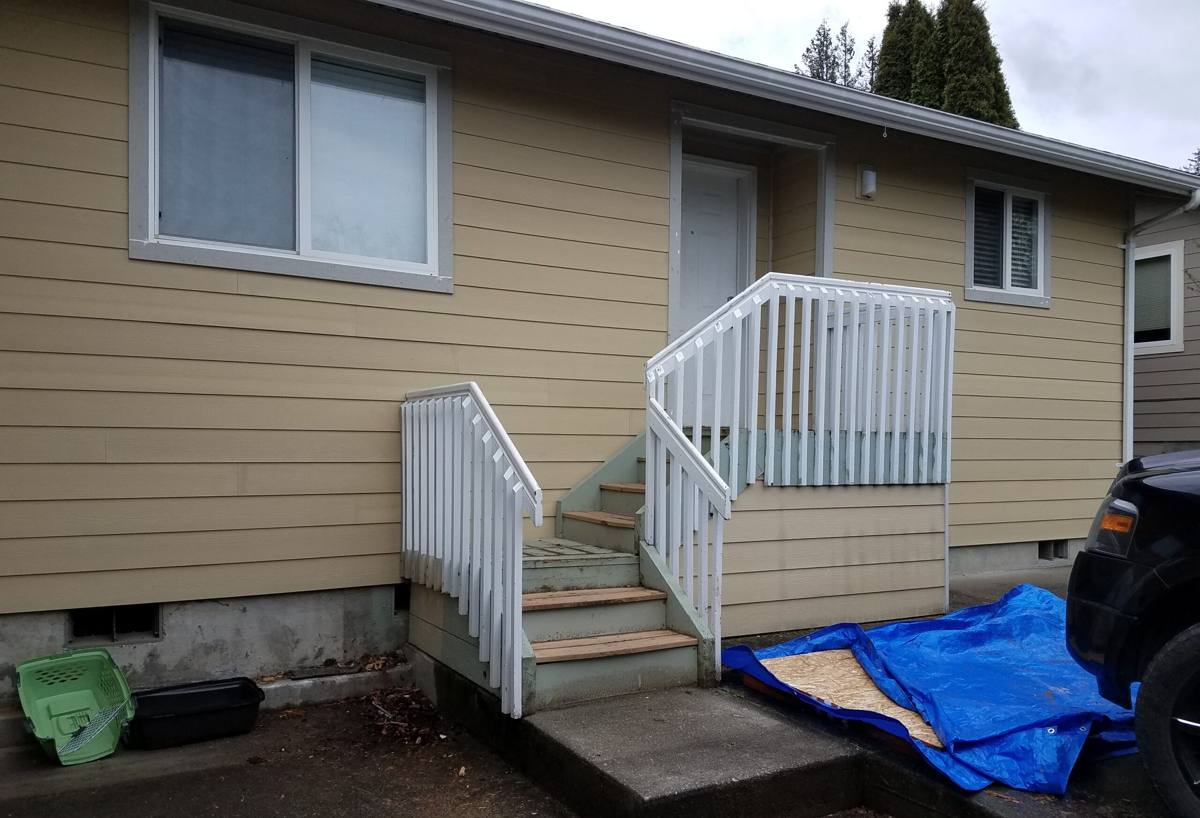
The Housing Stock in Seminole Heights Shapes the Job
Seminole Heights is one of Tampa's older, established neighborhoods, with a mix of early-to-mid-century bungalow-style homes alongside newer infill construction built to more recent codes. That mix matters for a siding project in a few practical ways:
Older wood-frame construction
Many of the older homes in this part of Tampa were originally built with wood or early composite siding over wood-frame walls. Decades of Florida humidity, prior repaints, and sometimes a layer of siding installed over the original material can leave wall surfaces that are no longer flat or true. A correct installation starts with an honest look at what's actually under the existing exterior, not an assumption that a new layer can simply go over the old one.
Historic district considerations
Portions of Seminole Heights fall within locally recognized historic district overlays. If your home sits inside one of these areas, exterior material, profile, and color choices may need to go through an additional approval step with the City of Tampa before work begins. A contractor who has already worked in the neighborhood knows to flag this early instead of discovering it mid-project.
Mixed lot sizes and setbacks
Older platted lots in this part of Tampa tend to be narrower than newer subdivisions, which affects staging, scaffolding, and how close crews are working to neighboring structures — all things that change how a job gets planned and scheduled.
What a Correct Siding Installation Actually Involves
Siding looks simple from the curb — panels or planks going up in rows. What actually determines whether it performs for 30-plus years happens in details most homeowners never see once the job is done.
Moisture management behind the siding
A weather-resistant barrier goes on the wall sheathing before a single piece of siding is installed. Every window, door, and penetration gets properly flashed so that any water that does get behind the surface has a way to drain back out rather than sitting against the sheathing. This layer matters more in a climate that sees frequent wind-driven rain than almost anywhere else in the country.
Fastening for wind resistance
Nailing pattern, fastener type, and fastener placement are not cosmetic choices — they're what keeps siding attached in sustained high wind. Manufacturer fastening specifications exist for a reason, and in a hurricane-exposed county like Hillsborough, following them to the letter is the difference between siding that stays put and siding that doesn't.
Clearances and joints
Correct installation keeps siding a set distance above grade, roofing, decks, and patios so water isn't wicking up into the material. Vertical joints get treated correctly — caulked and backed where required, or left as designed factory-finished joints where the product allows it — so they don't become the first place the siding fails.
Trim and penetrations
Every hose bib, light fixture, vent, and utility penetration is a potential entry point for water if it's not detailed correctly. These small details, multiplied across a whole house, are usually what separates a siding job that looks fine at handoff from one that actually holds up through several Florida storm seasons.
Why We Install Only James Hardie Fiber Cement
We standardized on James Hardie fiber cement siding and don't install vinyl, LP SmartSide, or wood products, including in Seminole Heights. That's a deliberate choice based on how these materials perform specifically in a hot, humid, storm-exposed climate:
- Non-combustible material — fiber cement doesn't contribute fuel to a fire the way wood-based siding products can.
- Climate-engineered product lines — Hardie's HardieZone system includes an HZ5 line engineered specifically for hot, humid, high-moisture climates like ours, rather than a one-size-fits-all product for the whole country.
- Factory-applied ColorPlus finish — the color is baked on in a controlled factory process rather than field-painted, which holds up better against Florida's UV load and reduces how often repainting is needed.
- Dimensional stability — fiber cement doesn't expand, contract, or warp with humidity swings the way wood and some engineered wood products do, which matters through a Tampa summer-to-winter humidity cycle.
- Strong transferable warranty — when installed to manufacturer specification, Hardie backs the product with warranty coverage that can transfer to a future buyer, which matters if you sell the home.
None of this means other siding materials are without merit — vinyl is inexpensive and wood has a traditional appearance many homeowners like. But between the maintenance burden, moisture sensitivity, and installation tolerances of those alternatives in a climate like Hillsborough County's, we made a professional decision to put one material on homes: the one engineered to hold up here.
Our Installation Process
- On-site assessment. We look at the existing siding, wall sheathing condition, moisture history, and any historic district requirements before quoting the job.
- Tear-off or overlay decision. If the existing siding or sheathing is compromised, we remove it rather than covering a problem up. This is especially common on older Seminole Heights homes with layered siding history.
- Weather barrier installation. A new weather-resistant barrier goes over the sheathing, with all seams and penetrations sealed before any siding goes up.
- Flashing at every opening. Windows, doors, and penetrations are flashed to direct water out and away from the wall assembly.
- Hardie panel or lap installation. Siding is installed to James Hardie's fastening and clearance specifications, not shortcuts that speed up the job at the expense of long-term performance.
- Trim, corners, and detail work. Corner boards, trim, and joint treatment are finished to match the home's style, whether that's the simpler lines typical of older bungalow-style homes or a more contemporary profile.
- Final walkthrough. We go over the completed work with you before considering the job done, including care and maintenance guidance specific to your new siding.
What Drives Cost on a Seminole Heights Siding Project
Every home is different, so we don't publish blanket per-square-foot pricing — a proper quote requires seeing the house. But these are the factors that most affect the scope and cost of a siding project in this area:
| Factor | Why It Matters | Typical Cost Impact |
|---|---|---|
| Tear-off vs. overlay | Removing old siding and inspecting/repairing sheathing takes more labor than installing over sound existing material | Moderate to high |
| Home size and wall area | More square footage means more material and labor hours, straightforwardly | Directly proportional |
| Siding profile | Lap siding, panel siding, and shingle-style products install at different speeds and price points | Low to moderate |
| Trim and architectural detail | Homes with more corners, dormers, and trim work require more cutting and fitting time | Moderate |
| Story height | Second-story work requires more staging and scaffolding time | Moderate |
| Historic overlay approval | Homes in a designated historic district may need approved material and color selections before work starts | Low (mainly timeline, not cost) |
| Sheathing repair | Water-damaged sheathing found during tear-off needs to be repaired before new siding goes on | Variable, case by case |
Signs Your Seminole Heights Home May Need New Siding
A lot of siding problems in this climate develop slowly enough that homeowners don't notice until they're pointed out. Worth checking for:
- Visible warping, buckling, or waviness in the siding surface
- Soft spots when you press on the siding, which can indicate moisture damage underneath
- Cracking or splitting, especially near corners and joints
- Paint that's peeling or blistering repeatedly in the same spots despite repainting
- Visible gaps at seams, corners, or trim where water could be getting behind the surface
- Rising energy bills that could point to a compromised wall assembly letting in outside air
- Siding that's original to a home built decades ago and has never been replaced
- Rust staining or fastener corrosion visible on the siding surface
Why a Crew That Already Works in Seminole Heights Matters
Siding installation isn't just a product — it's a set of judgment calls made on-site: how to handle an older wall assembly that isn't perfectly square, whether a historic district approval is needed before material is ordered, how to sequence work on a narrow older lot without disrupting neighbors. A crew that has already worked jobs in this specific part of Hillsborough County has seen these conditions before and doesn't have to learn them on your house.
There's also a practical permitting angle. Tampa and Hillsborough County have their own permitting and inspection processes, and a contractor who pulls permits here regularly moves through that process more predictably than one encountering it for the first time. For a homeowner, that translates into fewer surprises and a more realistic timeline.
Caring for Hardie Siding After Installation
One advantage of factory-finished fiber cement is how little ongoing maintenance it needs compared to field-painted materials. Still, a few habits extend its life in this climate:
- Rinse the exterior periodically to clear salt residue, pollen, and general grime buildup
- Keep sprinkler heads and irrigation from spraying directly onto the siding surface
- Trim landscaping back so foliage isn't holding moisture against the wall
- Have caulked joints and trim inspected every few years, since caulk is the one component that does eventually need periodic attention
- Address any impact damage promptly rather than letting it sit exposed to weather
If you're weighing a siding project for a Seminole Heights home, we're happy to take a look and walk you through what we see — no pressure, no obligation. A free estimate gives you a clear, honest picture of what your home needs before you decide anything.