 Tampa Roofing
 Exterior Contracting for Town 'n' Country Homes
Town 'n' Country sits in unincorporated Hillsborough County, a well-established residential community west of downtown Tampa. Like most of the Tampa Bay area, the neighborhood is a mix of housing generations — ranch-style homes from the region's mid-century growth years alongside newer construction and remodeled properties. What almost every home here has in common is exposure to the same demanding climate: long, humid summers, an active hurricane season, and enough sun and rain to wear down an exterior faster than homeowners in most other parts of the country ever have to think about.
We work on roofing, siding, windows, and decks for homeowners throughout this part of Hillsborough County. Those four systems don't function independently — a roof leak can rot the fascia that your siding ties into, a failing window seal can let moisture into a wall cavity, and an unsealed deck ledger board can become an entry point for water behind exterior cladding. Treating the exterior as one connected system, rather than a set of unrelated repairs, is the difference between a fix that lasts and one that resurfaces in a year.
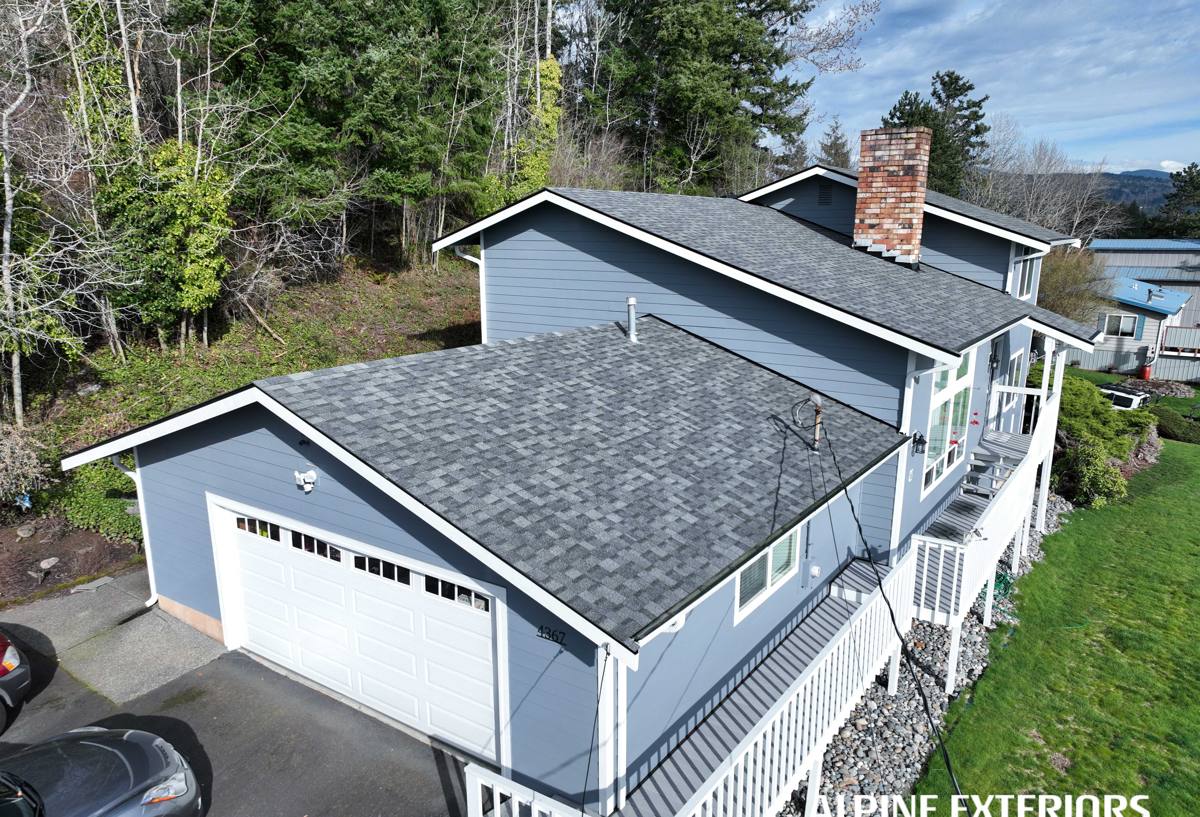
What the Climate Actually Does to a House Here
It's worth being specific about what "Florida weather" means for a building envelope, because the mechanisms matter for how we recommend materials and installation methods.
Wind and Hurricane Exposure
Hillsborough County sits in a hurricane-prone wind zone. Even in years without a direct landfall, Tampa Bay routinely sees tropical storm-force wind events, and the building code here reflects that reality — current Florida Building Code wind and fastening requirements are considerably stricter than what you'll find in most of the country. Roofing, siding, and window installations all need to meet those wind-uplift and impact standards, not just for the permit inspection, but because undersized fastening patterns and skipped underlayment are exactly what fail first when a storm comes through.
UV and Heat
Florida gets more direct sun exposure across the year than almost anywhere else in the continental U.S. UV breaks down asphalt shingle oils, fades and embrittles vinyl siding, and stresses window seals and glazing compounds over time. Materials rated for northern climates often underperform here simply because they weren't designed for this much sustained sun.
Wind-Driven Rain and Humidity
Afternoon thunderstorms during the wet season don't just drop rain straight down — wind pushes it sideways, into places a well-designed but poorly-installed exterior wasn't built to shed. Add in year-round humidity, and any gap in flashing, sealant, or underlayment becomes a slow moisture problem rather than an obvious one. Wood rot, mold behind siding, and soft roof decking in this area are almost always traced back to a small, ongoing leak rather than one dramatic failure.
Salt Air
Town 'n' Country isn't beachfront, but Tampa Bay's proximity still puts homes here within reach of salt-laden air, especially with onshore winds. Salt exposure accelerates corrosion on exposed metal fasteners, flashing, and hardware — one more reason we favor corrosion-resistant materials on exterior work in this part of the county.
Roofing: Matching the Roof to the Climate, Not Just the Budget
Asphalt shingles remain the most common roofing material in this area, and for good reason — they're cost-effective and, when installed correctly with the right underlayment and fastening schedule, hold up reasonably well to Florida conditions. But "installed correctly" is doing a lot of work in that sentence. A shingle roof's wind resistance comes as much from the nailing pattern, starter strip, and ridge cap installation as from the shingle itself.
Metal roofing has become increasingly popular in the Tampa Bay area, particularly for homeowners planning to stay in their homes long-term. It carries a higher upfront cost but offers strong wind performance, a long service life, and better reflectivity, which can meaningfully reduce attic heat gain during Florida summers.
Tile roofing is also common on homes in this region, especially newer construction. It performs well against UV and heat but requires specialized installation knowledge — tile fastening and underlayment failures are a common source of leaks when the original install cut corners.
What We Check Beyond the Shingles
- Underlayment condition and type (self-adhering underlayment performs better against wind-driven rain than older felt products)
- Flashing at every roof penetration, valley, and wall intersection
- Decking condition — soft or delaminated plywood needs to be replaced, not roofed over
- Ventilation balance between soffit intake and ridge or attic exhaust
- Fastener corrosion, particularly on older roofs nearing 15-20 years
Siding: Standing Up to Sun, Storms, and Moisture
Vinyl siding is widely used in this area because it's affordable and low-maintenance, but not all vinyl is built the same — thinner, lower-grade panels can warp under sustained Florida heat and become brittle with UV exposure over the years. We install thicker-gauge, impact-rated vinyl where it makes sense for the home and budget.
Fiber cement siding has become a strong option for homeowners who want better durability against wind, moisture, and pests without the maintenance cycle of wood. It holds paint well and resists the warping and cracking that can affect other materials in this climate, though it's a heavier product that requires correct fastening and moisture barrier detailing to perform as intended.
Whatever the material, the moisture barrier behind it matters as much as the visible siding. In a climate with this much humidity and wind-driven rain, a compromised house wrap or missing flashing tape at seams and penetrations is often the real cause of siding "failures" that get blamed on the panels themselves.
| Material | Typical Lifespan (Tampa Bay climate) | Best For |
|---|---|---|
| Asphalt shingle roofing | 15-25 years | Cost-conscious homeowners, straightforward roof lines |
| Metal roofing | 40-60+ years | Long-term ownership, storm resistance, energy efficiency |
| Tile roofing | 30-50+ years (underlayment often needs replacement sooner) | Homes where tile matches the architectural style |
| Vinyl siding | 20-30 years | Budget-friendly, low-maintenance exteriors |
| Fiber cement siding | 30-50 years | Higher durability, paintable, storm and pest resistance |
Windows: Impact Protection and Everyday Efficiency
Window replacement in Hillsborough County isn't just a comfort upgrade — it's a wind-resistance decision. Impact-rated windows, built with laminated glass that stays intact even when the outer pane cracks, are increasingly the standard for homes in this region, and many older Town 'n' Country homes are still working with single-pane or non-impact windows original to the house.
Beyond storm protection, window performance affects the day-to-day cost of running a Florida home. Older, poorly sealed windows let conditioned air escape and outside heat in, which shows up directly on summer cooling bills. Low-E coatings and proper Florida-climate glazing packages cut down on solar heat gain without sacrificing natural light.
Signs Your Windows Need Attention
- Visible condensation or fogging between panes (a failed seal on double-pane units)
- Difficulty opening, closing, or locking
- Drafts or noticeable temperature differences near the window
- Wood rot or soft spots in the surrounding frame
- Rising cooling bills without another clear explanation
Decks and Outdoor Living Structures
Decks in this climate face a different set of stresses — sustained humidity, ground moisture, and UV on exposed surfaces. Wood decking requires more consistent maintenance here than in drier climates; without regular sealing, boards can cup, gray, and eventually rot faster than homeowners expect. Composite decking has become a popular alternative for exactly that reason, trading a higher material cost for significantly less upkeep and better resistance to moisture and sun over time.
Whatever the decking material, the structural elements underneath — ledger board attachment, joist hardware, and post footings — need to be correctly flashed and fastened with corrosion-resistant hardware. This is the part of a deck that's invisible once the project is finished, and it's also the part most responsible for long-term safety and lifespan.
Why a Local Crew Matters Here
Florida Building Code requirements, wind zone ratings, and permitting processes are specific to the county and jurisdiction. A contractor who works across Hillsborough County regularly knows what Town 'n' Country area inspectors expect, what fastening schedules and product approvals are required for this wind zone, and how to sequence roofing, siding, window, and deck work so each system protects the others rather than undermining them.
It also means faster response when something goes wrong. A tarp that needs to go up before a storm, or a follow-up on a warranty item, is a different experience with a contractor who's local and reachable versus one working out of another market.
Questions Worth Asking Any Contractor Before You Sign
- Are you licensed and insured to work in Hillsborough County, and can you provide proof?
- Will the work be permitted and inspected, or is that being skipped?
- What underlayment, fastening pattern, or flashing details will actually be used — not just the visible material?
- What's covered under workmanship warranty versus manufacturer warranty, and for how long?
- Who is doing the physical work — your own crew, or subcontractors, and who is accountable if something goes wrong?
A Simple Maintenance Routine for This Climate
Most exterior problems in this part of Florida start small and stay hidden until they're expensive. A basic seasonal routine catches most of it early:
- Walk the roofline after major storms looking for lifted or missing shingles, tiles, or debris damage
- Check gutters and downspouts for clogs, especially before and during the wet season
- Look at caulking and flashing around windows, doors, and roof penetrations once or twice a year
- Inspect siding for cracking, warping, or gaps at seams and corners
- Reseal or inspect wood decking annually; check composite decking hardware for corrosion
If you're noticing wear on your roof, siding, windows, or deck — or you'd simply like an honest, current assessment of where things stand — we're happy to take a look. Reach out for a free, no-pressure estimate using the form below.