 Tampa Roofing
 Exterior Work Built for Plant City's Climate
Plant City sits on the eastern edge of Hillsborough County, far enough inland that it doesn't take the same direct salt spray as homes along Tampa Bay, but close enough to the coast that it still gets the full brunt of everything else Florida throws at a roof and exterior. Hurricane-force wind bands, sudden wind-driven downpours, and relentless year-round UV exposure all move through this part of the county, and they don't care whether a house is on five acres out past the fairgrounds or in a newer subdivision closer to town. Over time, that combination breaks down roofing materials, siding, windows, and decking in predictable ways — and knowing those patterns is a big part of what makes a repair or replacement last.
Because Plant City is more rural and spread out than the urban core of Tampa, homes here also tend to be a bit more exposed — fewer neighboring structures and mature tree lines to break up wind gusts in some areas, more open exposure to sun in others. That changes how we think about wind ratings, ventilation, and material choice on a house-by-house basis rather than a one-size-fits-all approach.
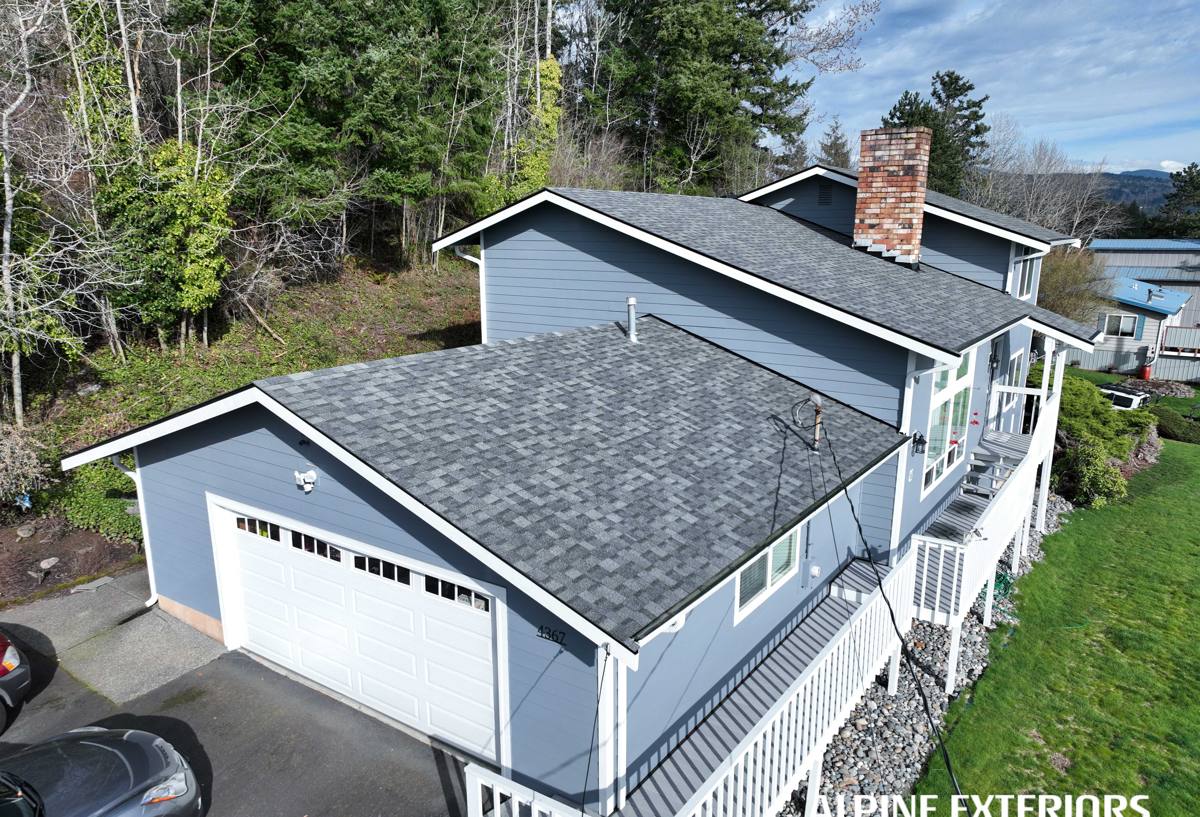
What Hillsborough County Weather Does to a Roof
Wind and Uplift
Every hurricane season, Hillsborough County sees tropical systems that don't need to make a direct landfall nearby to cause damage — outer wind bands and squall lines can produce sustained gusts strong enough to lift shingles, loosen ridge caps, and peel back flashing at valleys and edges. Roofs that were installed without proper nailing patterns or that have aged past their fastener life are the ones that fail first. A roof doesn't need a full-blown hurricane to lose material; a strong summer thunderstorm line moving through can do real damage to a roof that's already compromised.
UV Degradation
Florida sun is intense almost every day of the year, and Plant City's more open, less shaded lots mean some roofs take that UV load with little relief. Asphalt shingles lose their granules over time, the asphalt underneath dries out and becomes brittle, and metal roof coatings can chalk and fade. This is a slow, cumulative process — a roof that looks fine from the ground can be several years past the point where it's still doing its job well underneath.
Wind-Driven Rain
It's rarely straight-down rain that causes leaks here — it's rain pushed sideways by wind, forced up under shingle edges, through worn flashing, and into any gap around vents, skylights, or roof-to-wall transitions. This is why flashing detail and underlayment quality matter as much as the shingle or metal panel itself. A beautiful roof surface with poor flashing work will still leak in the right storm.
Roof Replacement and Repair
We work with both asphalt shingle and metal roofing systems, and which one makes sense depends on the house, the budget, and how long the homeowner plans to stay in it. We don't push one product as a cure-all — each has real trade-offs worth understanding before you commit.
| Factor | Architectural Shingles | Standing Seam Metal |
|---|---|---|
| Typical lifespan | 20–30 years | 40–50+ years |
| Upfront cost | Lower | Higher |
| Wind performance | Good, with proper nailing and rated shingles | Excellent when properly installed |
| Heat reflectivity | Moderate | Higher with reflective coatings |
| Maintenance | Periodic inspection, algae/moss cleaning | Low, occasional fastener/sealant check |
| Insurance consideration | Varies by wind rating and age | Often favorable due to wind resistance |
For repairs, we look beyond the visible damage. A missing shingle or a small leak is usually a symptom, not the whole story — we check surrounding flashing, decking condition, and attic ventilation before recommending a fix, so a homeowner isn't paying to patch the same spot again next season.
Siding That Holds Up to Sun, Storms, and Humidity
Siding in this part of Hillsborough County has to manage three things at once: constant UV exposure that fades and degrades weaker materials, humidity that can drive moisture behind poorly installed panels, and wind loads during storm season that test every fastening point. We install fiber cement and vinyl siding systems, matched to the home and the homeowner's priorities.
- Fiber cement holds paint and color longer under intense sun and resists moisture-related rot better than wood-based products
- Vinyl siding offers a lower upfront cost and low maintenance, with modern products rated for higher wind exposure than older generations
- Proper house-wrap and flashing behind the siding matters as much as the siding material itself — this is where most hidden moisture problems start
- Ventilation gaps and correct fastening patterns prevent buckling in Florida's heat cycles
We won't install a product over an existing moisture problem just to save a step. If we find rot, deteriorated sheathing, or signs of past water intrusion during a siding estimate, we'll tell you honestly what needs to be addressed first — patching over it just hides the problem until it's more expensive to fix.
Windows: Impact Protection and Efficiency
Window performance in Plant City comes down to two things: how well they hold up structurally during high wind events, and how well they keep UV and heat out the rest of the year. Impact-rated windows are built to resist penetration from wind-borne debris, which matters during Hillsborough County's storm season, and they also tend to offer better sealing and insulation year-round, which helps with cooling costs in a climate where the AC runs most of the year.
What We Look At During a Window Assessment
- Age and condition of existing frames — aluminum frames especially can degrade and lose seal integrity over time
- Signs of water intrusion around existing window openings
- Current impact rating, if any, compared to what local wind exposure calls for
- Energy performance — low-E glass options that cut down on solar heat gain
Replacing windows is also a good moment to address flashing and water management around the rough opening, which is often the actual source of a leak that gets blamed on the window itself.
Decks Built for Sun and Weather Cycles
Outdoor living is a big part of life in this part of Florida, and decks here go through a demanding cycle: intense sun exposure that dries and fades wood, humidity and rain that swell and warp lower-quality boards, and the occasional high-wind event that tests railing and structural connections. We build and repair decks using both traditional wood and composite decking, and we're upfront about the maintenance difference between them.
Wood decking costs less upfront but needs regular sealing and staining to hold up against Florida sun and rain cycles — skip that maintenance for a couple of seasons and you'll see cupping, splintering, or graying. Composite decking costs more initially but resists UV fading and moisture damage with far less upkeep, which is worth factoring into the real cost over the life of the deck, not just the install price.
Why a Local Crew Matters Here
A contractor who works across Hillsborough County day in and day out understands things a national chain or out-of-area crew simply won't have picked up on: how local permitting and inspection processes work, which wind-rating requirements actually apply to Plant City addresses, and what patterns of storm damage tend to show up here versus in a different part of the state. That local knowledge shows up in small but important decisions — the right underlayment for our humidity, flashing details suited to wind-driven rain, and fastening schedules that meet code without over- or under-building.
It also matters after the estimate. A local crew is easier to reach for a follow-up question, a warranty concern, or a quick inspection after a storm rolls through — we're not driving in from three counties away.
A Straightforward Estimate Process
We start with a full visual inspection of the roof, siding, windows, or deck in question — not just the area you're concerned about, since problems in one spot often start somewhere else. From there we walk through what we found, what your real options are, and a written estimate with no pressure to decide on the spot. If something doesn't need full replacement, we'll say so.
Questions Worth Asking Any Contractor Before You Hire
- Are you licensed and insured to work in Hillsborough County, and can you provide proof?
- What's your plan for flashing and moisture management, not just the visible material?
- What wind rating does the proposed material or system carry, and is that right for this property?
- What does the manufacturer's warranty actually cover, and what does your workmanship warranty cover separately?
- Will you put the scope of work and materials in writing before starting?
If you're dealing with a roof that's showing its age, siding that's not doing its job anymore, windows that leak or fog, or a deck that needs attention before the next season of use, we're happy to come take an honest look. Fill out the form below for a free, no-pressure estimate.