 Tampa Roofing
 Metal Roofing Built for Plant City's Climate
Plant City sits far enough inland to avoid some of the direct coastal salt exposure of the Tampa Bay shoreline, but it still takes a beating from the same weather system every summer and fall: tropical downpours, hurricane-force wind gusts, and some of the most intense year-round UV in the continental United States. A roof out here isn't judged by how it looks the day it's installed — it's judged by how it holds up after its fifth or sixth named storm season. Metal roofing has become one of the most requested upgrades among Plant City homeowners for exactly that reason: when it's installed correctly, it outperforms most other roofing materials in wind resistance, heat rejection, and long-term durability.
This page covers what metal roofing actually involves for a home in this specific area — the wind and heat loads it needs to handle, the installation details that separate a roof that lasts decades from one that fails early, and what our process looks like from first call to final walkthrough.
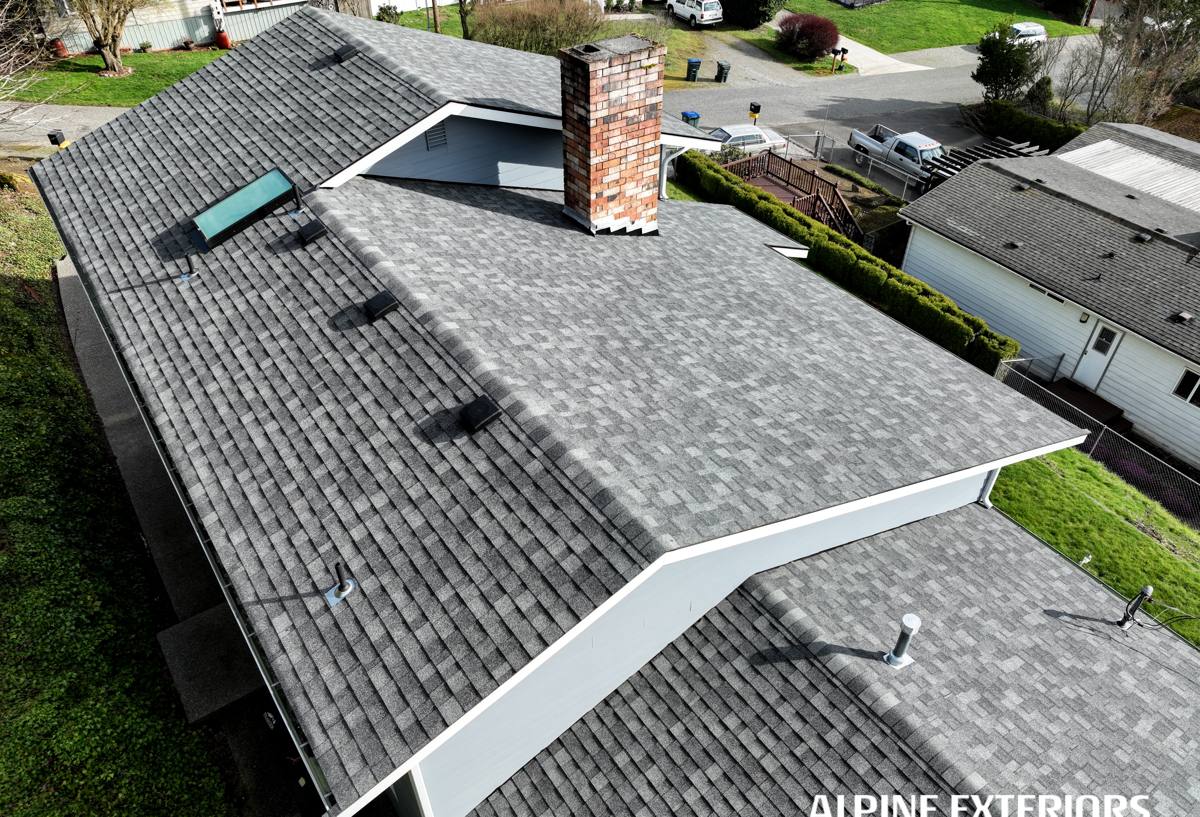
What Local Homes Actually Need From a Metal Roof
Hillsborough County building code requires roofing systems to meet specific wind uplift ratings, and that requirement exists because it reflects real, recurring conditions. A metal roof for a Plant City home has to handle several stressors at once, not just one:
- Sustained high wind and gust uplift — panels and fasteners need to resist being lifted at the edges and ridges, where uplift pressure is highest
- Wind-driven rain — water pushed sideways and upward under panel laps during a storm, not just water falling straight down
- Intense, near-daily UV exposure — accelerates the breakdown of coatings, sealants, and underlayment over time
- Heat cycling — Florida's swing between scorching afternoons and cooler nights causes metal to expand and contract, which has to be accounted for in how panels are fastened
- Heavy, fast rainfall — Plant City's summer storms can drop a lot of water in a short window, so drainage and lap design matter as much as the panels themselves
A metal roof that's engineered and installed with all five of these in mind will genuinely outlast most alternatives. One installed without attention to fastening pattern, underlayment quality, or flashing detail can fail in the exact same conditions it was supposed to be built for.
Panel Types and Materials We Work With
Not every metal roofing system is the same product wearing different colors. The panel profile and metal gauge both affect wind performance, price, and appearance, and the right choice depends on the home and the homeowner's priorities.
| Panel Type | Best For | Notes |
|---|---|---|
| Standing seam (concealed fastener) | Homeowners prioritizing longevity and wind performance | Fasteners are hidden under raised seams, reducing long-term leak points and giving the cleanest look |
| Exposed-fastener panel (5V, corrugated, ribbed) | Budget-conscious projects, outbuildings, some ranch-style homes | Lower upfront cost, but exposed screws and washers need periodic inspection and eventual re-torquing or replacement |
| Stone-coated steel | Homeowners who want a shingle or tile look with metal's durability | Heavier than standard panel systems; check structural compatibility first |
| Aluminum panel systems | Homes closer to brackish water or with corrosion concerns | Naturally corrosion-resistant, doesn't rust, typically a step up in cost over steel |
For most Plant City homes, we lean toward standing seam because the concealed fastener design holds up best against the wind uplift and thermal cycling this area sees year after year. That said, we'll walk through the honest trade-offs for your specific roof — pitch, structure, budget, and how long you plan to stay in the home all factor into the right call.
Gauge and Coating Matter More Than Color
Two roofs can look identical from the street and perform very differently. Steel panel gauge (typically 24 or 26 gauge for residential work) affects dent resistance and rigidity. The paint system — usually a Kynar-based or comparable PVDF coating on quality panels — is what actually resists Florida's UV load without chalking or fading prematurely. We don't cut corners on gauge or coating quality just to hit a lower number on a quote, because those are the two things that determine how the roof looks and performs in year ten, not year one.
What a Correct Metal Roof Installation Actually Involves
Metal panels are only one part of the system. Most metal roof failures we get called out to inspect trace back to something underneath the panels, not the panels themselves. A correct installation includes:
Deck Inspection and Prep
Before anything goes down, the existing roof deck gets inspected for rot, delamination, or soft spots — especially around old vent penetrations and valleys where water has historically pooled. Metal goes on a sound deck; skipping this step is one of the most common shortcuts that leads to early problems.
Underlayment
We use a high-temperature-rated synthetic or self-adhered underlayment suited for metal roofing specifically. Metal panels run hotter than shingles in direct sun, and standard felt underlayment can degrade faster under that heat — this is a detail that gets skipped more often than it should.
Fastening Pattern and Wind Rating
Fastener spacing at eaves, rakes, and ridges is tightened up in a proper install because those are the zones where wind uplift concentrates during a storm. This is engineered to the wind zone requirements for the county, not just a generic pattern applied everywhere.
Flashing and Penetrations
Valleys, chimneys, skylights, and vent penetrations are where the overwhelming majority of roof leaks start — on metal roofs just as much as any other type. Properly formed and sealed flashing at every one of these points is not optional trim work; it's core to whether the roof actually keeps water out.
Ventilation
A metal roof over a poorly ventilated attic traps heat and moisture, which shortens the life of the decking and can drive up cooling costs. We check ridge and soffit ventilation as part of the job, not as an afterthought.
Our Process, Start to Finish
- Free on-site inspection — we look at the existing roof, deck condition, attic ventilation, and any problem areas before quoting anything
- Honest written estimate — panel type, gauge, coating, and underlayment spelled out clearly, with the reasoning behind each recommendation
- Permitting — pulled through Hillsborough County/Plant City as required before work starts
- Tear-off and deck repair — old roofing removed, deck inspected and repaired where needed before underlayment goes down
- Underlayment and flashing installation — the part of the job that determines whether the roof actually stays watertight
- Panel installation — fastened to the wind-rated pattern required for this area
- Final walkthrough — we go over the finished roof with you before calling the job done
Metal Roofing vs. Asphalt Shingles: What Actually Changes
Homeowners considering metal usually want a straight answer on how it stacks up against a shingle re-roof, not a sales pitch. Here's the honest comparison based on the factors that matter most in this climate:
| Factor | Metal Roofing | Asphalt Shingles |
|---|---|---|
| Typical lifespan | 40–60+ years depending on system | 15–25 years in Florida's UV and heat |
| Wind performance | Excellent when properly fastened | Good with proper nailing, but more vulnerable at edges |
| Upfront cost | Higher | Lower |
| Heat reflection | Reflects more solar heat, can reduce attic temps | Absorbs more heat |
| Maintenance | Low; periodic fastener/sealant checks on exposed-fastener systems | Moderate; granule loss and sealant strip wear over time |
| Insurance considerations | Often qualifies for wind mitigation credits | Varies by age and rating |
Metal costs more to install, but the cost-per-year over the life of the roof is often lower once you factor in fewer replacements and, in many cases, wind mitigation insurance credits available in Hillsborough County. We'll go over both options honestly during your estimate — metal isn't automatically the right call for every home or budget, and we'd rather tell you that upfront than push a bigger job.
Maintenance in a Hot, Humid, Storm-Prone County
Metal roofing is low-maintenance, not no-maintenance. In this climate, a few simple checks go a long way:
- Clear debris from valleys and around penetrations after storms — trapped leaves and pine needles hold moisture against the panel finish
- Check exposed-fastener systems every couple of years for loosening or worn washers, since heat cycling can back screws out slightly over time
- Keep gutters and downspouts clear so heavy summer rainfall actually drains instead of backing up at the eaves
- After any major wind event, a quick visual check (or a call to us) for lifted panel edges or damaged flashing is worth the peace of mind
Signs It Might Be Time to Consider a Metal Roof
- Your current roof is asphalt shingle and approaching or past 15–20 years old
- You've had repeated wind damage or missing shingles after storm seasons
- Your attic runs noticeably hot in summer despite adequate insulation
- You're planning to stay in the home long-term and want to stop budgeting for roof replacements every couple of decades
- You're seeing granule loss, curling, or cracked shingles when you inspect from the ground
Why It Matters That We Already Work in Plant City
Roofing code, permitting requirements, and inspection expectations vary by jurisdiction, and Hillsborough County has its own process. A crew that already pulls permits and schedules inspections here knows the local requirements and the county's inspectors, which keeps a project moving instead of stalling on paperwork. Just as important, we've seen how roofs in this specific area actually perform after storm seasons come and go — which details hold up and which corners, when cut, come back to bite a homeowner a few years down the road. That's knowledge you only get from doing the work here, not from a general roofing playbook applied the same way everywhere.
If you're weighing a metal roof for your Plant City home, we're glad to come take a look, answer questions honestly, and give you a straightforward estimate — no pressure, no hard sell. Use the form below to get started.