 Tampa Roofing
 Windows Built for the Way Westchase Weather Actually Behaves
Westchase sits inland from Tampa Bay, but "inland" doesn't mean sheltered. Homes here still take the full brunt of Hillsborough County's climate: tropical storm and hurricane-force wind events, summer afternoon downpours that come in sideways, and some of the most intense year-round UV exposure in the continental United States. Add the humidity that never really lets up, and you have a set of conditions that will find every weak point in a window — the seal that's starting to fail, the frame that's swelling and sticking, the glass coating that's given up on blocking heat.
A lot of window problems in this neighborhood aren't dramatic. They're a slow accumulation: a window that's harder to open every summer, a film of condensation between panes that means the seal is gone, an AC bill that keeps climbing even though nothing else changed. Custom window work in Westchase means matching the product and the installation to those specific stresses, not just swapping in whatever's on the showroom floor.
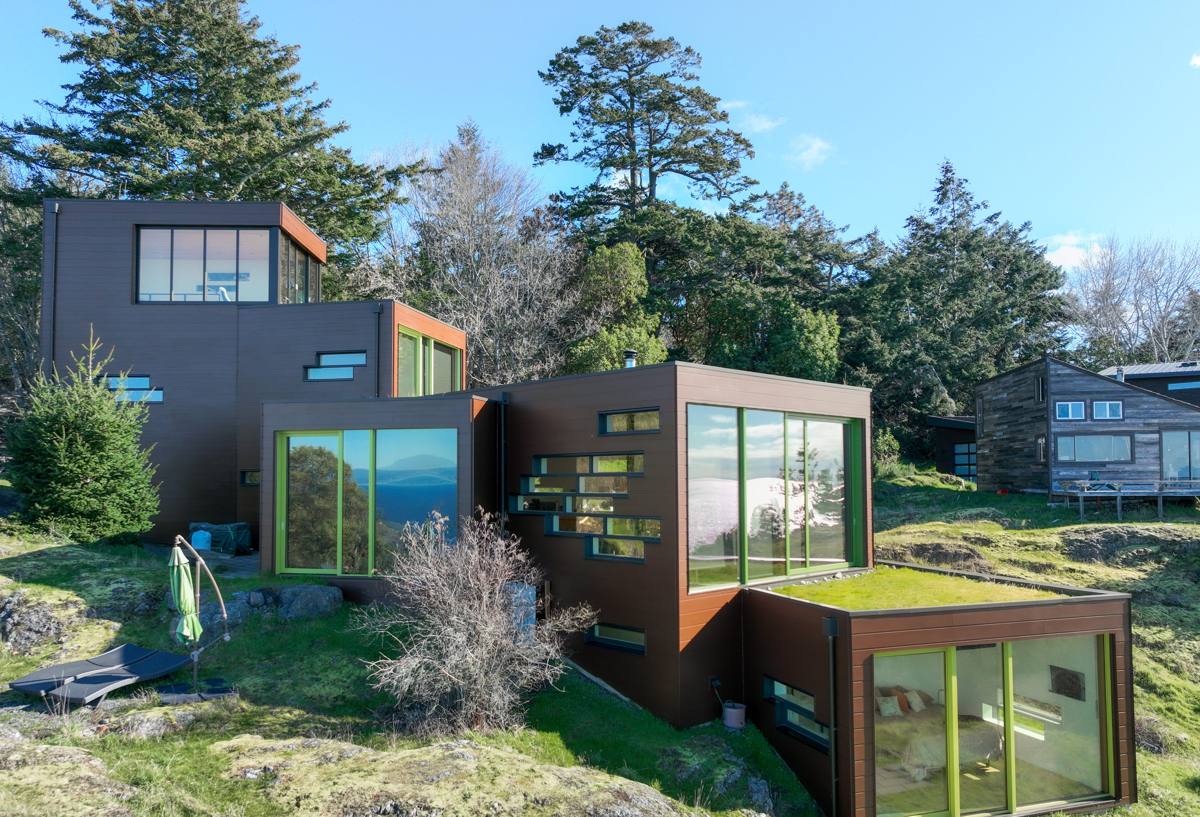
What "Custom" Actually Means for This Job
"Custom windows" doesn't mean exotic shapes or one-off designs, though we do that too when a home calls for it. Most of the time it means windows built to the exact opening dimensions of an older Westchase home rather than forced into a stock size, matched to the architectural style of the house, and specified with the right glass package and frame material for a Gulf Coast property. Getting this right up front avoids the two most common problems we see with poorly executed window jobs: gaps packed with excess caulk to hide a bad fit, and glass that looks fine on day one but underperforms on heat and noise within a couple of years.
The Non-Negotiables for This Climate
- Impact-rated or protected glazing — either laminated impact glass or a code-compliant protection system, sized and rated for the wind zone the home sits in
- Low-E coated, insulated glass units — to cut UV-driven fading and heat gain without dimming the room
- Corrosion-resistant hardware — standard steel components degrade faster this close to salt-influenced air; we spec hardware rated for coastal humidity
- Proper flashing and sealant detailing — this is where most window failures actually start, not with the window itself
Window Styles We Install and Where They Make Sense
Westchase has a mix of housing stock — mostly newer construction relative to older Tampa neighborhoods, with a lot of consistent HOA-driven architectural styling. That affects which window styles fit best, both visually and functionally.
| Window Type | Best Use | Wind/Rain Performance | Trade-offs |
|---|---|---|---|
| Single-hung / Double-hung | Bedrooms, traditional facades | Good when properly sealed and impact-rated | More moving parts to maintain long-term |
| Casement | Kitchens, hard-to-reach spots | Excellent — compresses shut against the frame, which resists wind-driven rain well | Crank hardware needs occasional lubrication in humid air |
| Sliding | Wide openings, patios, secondary rooms | Solid when tracks and weep systems are kept clear | Track debris and salt film need periodic cleaning |
| Picture / Fixed | Living rooms, views, light | Very strong — no moving seams to fail | No ventilation, so it's usually paired with an operable window nearby |
None of these is universally "best." The right call depends on the room's orientation, how much wind-driven rain it typically catches, and what the rest of the house's window lines look like.
How the Installation Actually Works
The window itself is maybe half the job. The other half is the installation detailing, and that's where most long-term problems either get prevented or get built in.
- On-site measurement and assessment — we measure actual rough openings, not just the old window size, and check the surrounding framing and sill condition for hidden moisture damage before ordering anything.
- Product selection and ordering — glass package, frame material, and hardware are specified for the home's exposure and the wind zone it falls in.
- Removal — old windows come out carefully so we can inspect the opening, sill pan, and framing underneath. This step catches rot or prior water intrusion before it gets sealed behind a new window.
- Flashing and sill pan work — any compromised flashing gets replaced, not just caulked over. This is the single biggest factor in whether a window stays watertight through storm season.
- Setting and shimming the unit — the window is leveled, plumbed, and squared before it's fastened, so it operates smoothly and seals evenly for its full service life.
- Sealing and insulating the perimeter — low-expansion foam or backer rod and sealant, per manufacturer spec, to close the gap without bowing the frame.
- Exterior trim and finish work — matched to the home's existing trim profile so the new window doesn't look bolted on.
- Final inspection and function check — every unit is opened, closed, and locked to confirm smooth operation before we call the job done.
Permits and Local Code
Window replacement in Hillsborough County typically requires a permit, and the products used have to meet Florida Building Code wind load requirements for the property's specific wind zone. This isn't paperwork for its own sake — it's what confirms the glass and frame assembly was actually tested to hold up in a storm, not just marketed that way. We handle the permitting and inspection scheduling as part of the job so it's one less thing on the homeowner's plate.
Signs a Westchase Home Needs Window Replacement, Not Just Repair
Not every window issue means full replacement. But there are a few signs that repair is just delaying the inevitable:
- Fogging or a permanent haze between panes — the seal has failed and the insulating gas is gone
- Windows that are difficult to open, close, or lock, especially after humid stretches
- Visible daylight or a draft around the frame when the window is shut
- Soft or discolored wood at the sill or surrounding trim — a sign of past water intrusion
- A noticeable jump in cooling costs with no other explanation
- Frames that are chalky, warped, or separating from the wall at the corners
- Excessive outside noise coming through despite the window being closed
What Drives Cost
We don't post fixed prices online because every home and every opening is different, but the main cost drivers are consistent across Westchase jobs:
| Factor | Why It Matters |
|---|---|
| Glass package (impact vs. protected non-impact) | Impact glass costs more upfront but eliminates the need for separate storm protection |
| Frame material | Vinyl, aluminum, and composite frames differ in upfront cost and long-term maintenance in humid, salt-influenced air |
| Opening condition | Rotted framing or old sill damage found during removal adds repair scope before a new window can be set |
| Number and size of openings | Larger picture windows and sliders cost more per unit than standard bedroom windows |
| Access and second-story work | Upper-floor windows take more setup time and equipment |
A written, itemized estimate before any work starts is standard practice — if a quote can't explain what's included in plain terms, that's worth asking about before signing anything.
Why a Crew That Already Works This Neighborhood Matters
Westchase isn't a one-size-fits-all subdivision — home styles, window openings, and HOA expectations vary block to block, and a crew that's worked here before already knows the common opening sizes, trim profiles, and typical construction quirks of the area's housing stock. That familiarity shows up in fewer surprises during removal, faster turnaround on ordering the right sizes the first time, and installation work that matches the existing look of the home instead of standing out as an obvious retrofit.
It also matters for the permitting side. Hillsborough County inspectors look for specific things on window jobs — proper flashing, correct fastening schedules, documented wind-load compliance. A crew that pulls permits in this county regularly knows what passes inspection the first time, which keeps the job moving instead of stalling on a re-inspection.
Keeping New Windows Performing Long-Term
Even a well-installed window benefits from basic upkeep in this climate:
- Rinse frames and tracks periodically to clear salt film and pollen buildup
- Check weep holes on sliding and single-hung windows to make sure they're not blocked by debris
- Lubricate casement cranks and lock hardware once or twice a year
- Inspect exterior caulking annually, especially after a rough storm season, and have any cracked sealant addressed before it lets water in
- Avoid pressure-washing directly at window seals — it can force water past sealant that would otherwise hold up fine against normal rain
None of this is complicated, but skipping it is how a 20-year window starts having problems in year eight.
Get a Straight Answer on Your Windows
If your Westchase home's windows are fogging, sticking, drafting, or just older than they should be for this climate, it's worth having someone look at them before the next storm season rather than after. We'll walk the exterior, check the openings, and give a free, no-pressure estimate with a straightforward explanation of what's actually needed — no upsell, no guesswork. Fill out the form below to get started.