 Tampa Roofing
 New-Construction Windows in Seminole Heights: What the Term Actually Means
"New-construction" windows aren't a style or a brand — they're a category defined by how the window attaches to the house. A new-construction window has a nailing fin (sometimes called a flange) around its perimeter that gets fastened directly to the framing of a rough opening, then flashed and sealed as part of the wall assembly. That's different from a replacement or "pocket" window, which slides into an existing frame with the old exterior trim left in place. If you're framing a new opening — an addition, a rebuild, or a wall you're opening up during a renovation — you need new-construction units, not replacement units, because there's no old frame to insert into.
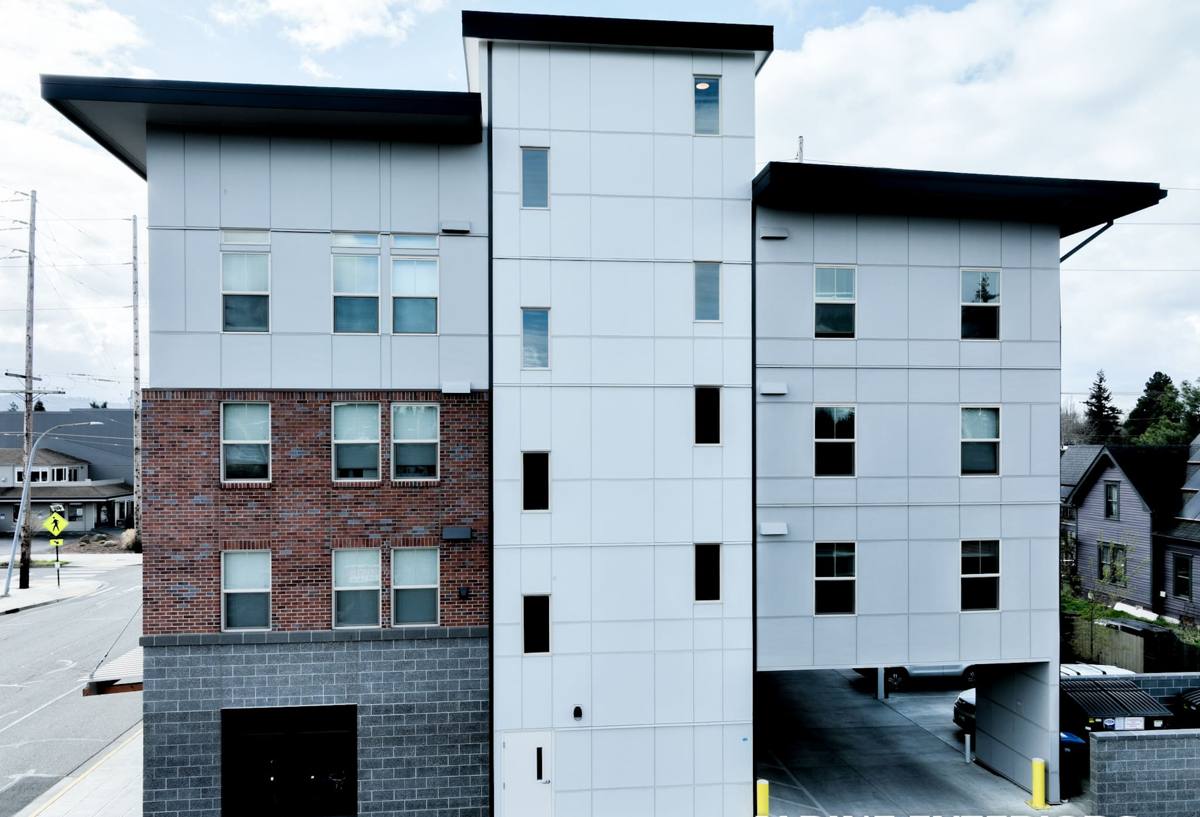
In Seminole Heights specifically, this matters because a lot of the work we see isn't a straightforward whole-house window swap. It's additions on older bungalow and Craftsman-style homes, in-fill builds on vacant or subdivided lots, and gut renovations where exterior walls are being reframed. All of those call for new-construction windows installed correctly into new or resized rough openings, not a quick insert job.
What Tampa and Hillsborough County Climate Demands From These Windows
Any window installed in this part of Florida has to hold up to conditions that are harder on building materials than most of the country ever deals with. Hurricane-force wind events are a real possibility every season, not a hypothetical. Year-round UV exposure is intense enough to degrade cheap vinyl, seals, and finishes faster than in northern climates. Wind-driven rain during storms pushes water sideways into gaps that would never leak in a calm rain. And for homes closer to the bay or with regular coastal air movement, salt exposure accelerates corrosion on hardware and frames that aren't rated for it.
New-construction windows are actually the easier case for handling all of this well, because you're building the water management system into the wall from scratch — flashing, sealant, and window all installed together — rather than working around decades-old framing and trim. Done right, that gives you a tighter, more weather-resistant opening than most retrofit situations ever achieve. Done poorly, it's the opposite: a new opening with bad flashing details is one of the more common sources of hidden water intrusion we get called out to diagnose later.
The Three Things That Actually Fail First
- Flashing and sealant at the rough opening — the single biggest factor in whether a window leaks, regardless of how good the window itself is
- Hardware and fasteners — non-rated hardware corrodes faster in humid, salt-influenced air and can fail well before the window itself wears out
- Glazing seals and low-quality vinyl — UV breaks down cheaper materials over years of direct Florida sun, leading to fogged double-pane units or brittle frames
Where New-Construction Windows Come Into a Seminole Heights Project
We typically see new-construction window installs come up in a few specific situations around this neighborhood:
- Additions — a new bedroom, bathroom, or living space built onto an existing home needs windows sized and installed as part of new framing
- In-fill and rebuild construction — newer homes going up on smaller or subdivided lots throughout the area
- Major renovations that open exterior walls — enlarging a window opening, converting a wall to include new glazing, or reconfiguring a floor plan that touches the exterior envelope
- Whole-home reframes after storm or structural damage, where the original openings are being rebuilt rather than patched
If your project is simply swapping out old windows in openings that already exist and aren't changing size, that's a replacement job, and it's a different scope of work — different products, different labor, usually a faster timeline. Knowing which category your project actually falls into before you start pricing is one of the more common points of confusion homeowners run into, and it's the first thing we sort out on a site visit.
What a Correct New-Construction Installation Involves
The window unit itself is only part of the job. A correct install has several layers that all have to happen in the right order:
- Rough opening prep — the framing is checked for square, level, and correct dimensions before anything gets installed
- Sill pan flashing — a water-diverting pan at the bottom of the opening, so any water that gets past the window drains back out instead of into the wall
- Window placement and fastening — the unit is set, shimmed for square, and fastened through the nailing fin per the manufacturer's schedule
- Flashing tape over the fin — integrated with the house wrap or weather-resistant barrier so water sheds down and out, not behind the flashing
- Exterior sealant and trim — a proper sealant bead at the perimeter, finished with trim or stucco return depending on the exterior
- Interior air sealing and insulation — the gap between the frame and rough opening gets sealed, not just left open behind interior trim
Skip or rush any one of those steps and you can end up with a window that looks fine on move-in day but leaks or fails prematurely once it's taken a few real storms. This is also where Florida Building Code wind load and impact-resistance requirements come into play for this area — the products and fastening schedule need to meet the load ratings that apply to your specific project, which is something your contractor and the local permitting office should confirm together before installation, not after.
Window Type and Material Comparison
| Type / Material | Typical Use Case | Climate Notes for This Area |
|---|---|---|
| Vinyl (standard) | Budget-conscious additions and in-fill builds | Lower cost, but quality varies widely — cheap vinyl degrades faster under sustained UV |
| Vinyl (impact-rated) | New-construction openings needing wind-borne debris protection | Laminated glass adds strength without the look of shutters or panels |
| Aluminum | Modern or mid-century style additions | Strong and slim-profile, but needs a thermal break to perform well and resist condensation |
| Fiberglass | Owners prioritizing longevity and low maintenance | Handles heat cycling and humidity well; higher upfront cost |
| Wood-clad | Homes matching a historic or traditional look | Best appearance for older-home character, but requires more upkeep in humid, salt-influenced air |
There's no single "correct" material for every project — it comes down to the style of the home, the budget, and how much long-term maintenance the owner wants to take on. We'll walk through the honest trade-offs for your specific situation rather than push whatever happens to be in stock.
Our Process for New-Construction Window Projects
We keep this straightforward because new-construction work already has enough moving parts between framing, permitting, and other trades on site:
- Site visit and scope review — we look at the rough openings (existing or planned), talk through material and performance options, and confirm this is genuinely a new-construction scope
- Product selection and quote — sizes, glass packages, wind ratings, and finish options laid out with real numbers, not vague ranges
- Permitting coordination — Hillsborough County and City of Tampa permitting requirements are confirmed before installation, not assumed
- Installation — flashing, fastening, sealing, and trim work performed to manufacturer specs and local code
- Final check — operation, seal, and finish are inspected before we consider the job done
Why a Crew That Already Works Seminole Heights Matters
New-construction window work touches permitting, framing tolerances on older housing stock, and — in parts of this neighborhood — historic-district guidelines that can affect what's allowed on the exterior of a home. A crew that regularly works in this specific area already knows the local permitting process, has a working relationship with the inspectors who review the work, and has seen the range of framing quirks that come up in additions and rebuilds on Seminole Heights lots. That familiarity shows up in fewer surprises mid-project and fewer callbacks after a permit inspection.
It also matters for accountability. A local crew is easy to reach after the job if a question comes up during a future inspection, a subsequent renovation phase, or storm season. That's harder to get from a contractor who did one job in the area and moved on.
Practical Checklist Before You Start
- Confirm whether your project actually needs new-construction or replacement windows
- Check whether your property falls within one of the neighborhood's historic-district boundaries and what that means for exterior changes
- Get wind load and impact-resistance requirements confirmed for your specific opening sizes before ordering product
- Ask what flashing and sealant method will be used, not just what window brand
- Coordinate window installation timing with framing, house wrap, and stucco or siding trades so nothing gets sealed out of order
- Get the permit and inspection process mapped out up front, especially for additions and reframed openings
If you're planning an addition, in-fill build, or a renovation that involves opening up exterior walls in Seminole Heights, we're glad to take a look and talk through what correct new-construction window installation looks like for your specific project. Request a free, no-pressure estimate using the form below.