 Tampa Roofing
 Davis Islands: A Waterfront Neighborhood With Its Own Set of Exterior Problems
Davis Islands sits on man-made land in Hillsborough Bay, minutes from downtown Tampa, and that waterfront position is exactly what makes exterior maintenance here different from a lot of other Tampa neighborhoods. Homes are surrounded by water on most sides, which means salt-laden air, higher humidity, and direct exposure to wind coming off the bay with very little to slow it down. Add in the neighborhood's mix of older Mediterranean Revival-style homes and newer waterfront construction, and you get a wide range of roofing, siding, and window conditions that all need to be evaluated a little differently than a typical inland property.
We've worked on homes across Hillsborough County long enough to know that a roof or siding system that holds up fine ten miles inland can wear out much faster this close to the water. That's not a scare tactic — it's just physics. Salt air accelerates corrosion on fasteners and metal components, humidity keeps moisture in contact with building materials longer, and constant sun exposure breaks down protective coatings and sealants faster than manufacturers' general warranty language usually accounts for.
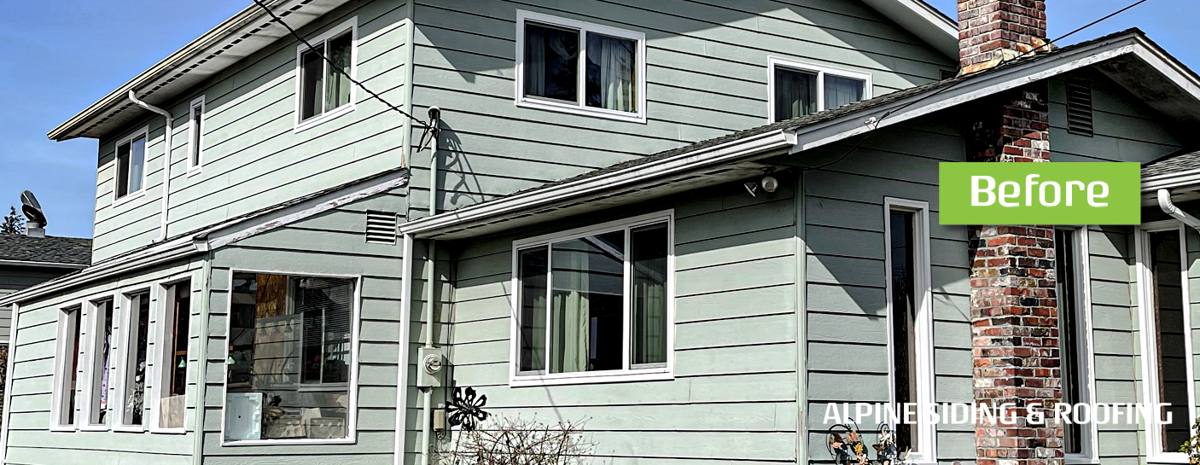
What the Climate Actually Does to Roofs, Siding, Windows, and Decks Here
Wind
Tampa Bay gets sustained tropical-storm and hurricane-force wind events, and waterfront and near-waterfront properties like Davis Islands take the brunt of it with less tree cover or built-up terrain to break the wind before it hits the house. This shows up as lifted shingle tabs, damaged ridge caps, loosened flashing, and stress on siding panels and window seals during storm season.
UV Exposure
Central Florida sun is intense and nearly year-round. UV breaks down asphalt shingle granules, dries out sealants and caulking, and fades or chalks siding and trim faster than in cooler, cloudier climates. On a barrier or waterfront lot with less shade, that exposure is often even more direct.
Wind-Driven Rain and Humidity
It's not just how much rain Tampa gets — it's the angle it comes in at during storms. Wind-driven rain finds gaps in flashing, window frames, and siding laps that would never leak in a calm rain. Combine that with Gulf Coast humidity sitting on the house year-round, and you get conditions that favor wood rot, trapped moisture behind siding, and slower drying after any water intrusion.
Salt Air
Being surrounded by Hillsborough Bay means salt particles are in the air constantly, not just during storms. Salt accelerates corrosion on metal roofing components, nails, screws, gutter hardware, and window frame hardware. It also tends to degrade certain paint and coating systems faster, which is why material choice and maintenance frequency matter more here than a few miles inland.
Roofing on Davis Islands
Working With Historic and Architectural Character
A number of homes on Davis Islands carry the Mediterranean Revival character common to the neighborhood's original 1920s development, along with barrel tile or tile-look roofing on many properties. When we work on these homes, matching the existing roofline and material appearance matters as much as the underlying performance — a mismatched repair can hurt the look of the whole street, not just the one house.
Wind-Rated Installation
Florida Building Code sets minimum wind-uplift standards for roofing systems, and coastal-adjacent areas like Davis Islands deserve installation practices that meet or exceed those minimums rather than just scraping by. That means proper fastening patterns, correctly rated underlayment, and flashing detail at every roof penetration and edge — the places roofs actually fail first in a wind event.
Common Signs a Davis Islands Roof Needs Attention
- Granule loss showing up in gutters or at downspout discharge points
- Lifted, cracked, or missing tiles or shingle tabs after a storm
- Rust staining around metal flashing, vents, or fasteners
- Soft spots or discoloration on interior ceilings near exterior walls
- Visible daylight or gaps at ridge caps or roof-to-wall transitions
Siding That Holds Up Near the Bay
Siding on a waterfront lot is doing more work than siding a few miles inland — it's a constant barrier against salt, humidity, and UV, not just an occasional storm. We look at three things on every siding job here: how the material handles sustained moisture exposure, how it holds paint or finish over time in high-UV conditions, and how forgiving it is if water does get behind it during a wind-driven rain event.
Material Trade-Offs
| Material | Moisture Behavior | Maintenance Level | Notes for This Area |
|---|---|---|---|
| Fiber cement | Very stable, doesn't swell or rot | Periodic repainting/caulking | Handles salt air and humidity well; heavier install |
| Vinyl | Doesn't absorb water, but seams need attention | Low, occasional cleaning | Can fade or become brittle faster under intense UV over many years |
| Wood | Prone to moisture absorption and rot if uncoated | High — regular sealing/painting | Requires diligent upkeep this close to the bay |
| Engineered wood composite | Good if properly sealed at edges/cuts | Moderate | Installation detail at seams matters more in humid, salty air |
None of these materials is universally "right" — the right call depends on the home's exposure, the owner's tolerance for upkeep, and the look they're going for. We'll walk through the honest trade-offs rather than push whatever's easiest to install.
Windows: Impact Rating and Water Management
On a waterfront property, windows have two jobs: keep wind-borne debris out during storms, and keep wind-driven rain from working its way behind the frame during everyday weather. Impact-rated windows matter more here than in a lot of inland Tampa neighborhoods simply because there's less standing between the house and the open water when a storm moves through Tampa Bay.
What We Check on Older Davis Islands Homes
Many homes in this neighborhood have gone through multiple window replacements over the decades. When we evaluate windows here, we're not just looking at the glass — we're checking the condition of the framing, the flashing integration with the wall assembly, and whether prior installations were properly sealed against wind-driven rain. A window can look fine and still be letting moisture into the wall cavity behind it.
Decks in a Waterfront Environment
Decks on or near Davis Islands take a combination of hits: constant humidity, salt air corroding fasteners and hardware, and direct sun breaking down wood fibers or composite surfaces over time. Ledger board attachment, joist hardware, and fastener material all matter more here than on an inland deck, because corrosion and moisture-driven wood movement happen faster this close to the bay.
What Shortens Deck Life Here
- Standard (non-coated or non-marine-grade) fasteners corroding faster in salt air
- Trapped moisture under decking boards laid without proper airflow gaps
- UV breakdown of surface coatings without regular reapplication
- Ledger board connections that weren't properly flashed at installation
Why a Local Crew Matters for This Neighborhood
Davis Islands isn't a generic subdivision — it's a specific, tightly built waterfront community with its own mix of historic and modern construction, HOA and aesthetic expectations, and site-access realities (narrow streets, close-set lots, limited staging space). A crew that works across Hillsborough County regularly knows what Tampa Bay wind and salt exposure actually do to a roof or siding system over five or ten years, not just what a manufacturer's spec sheet says in ideal conditions.
Working locally also means faster response after a storm event, familiarity with the permitting process through the City of Tampa and Hillsborough County, and a crew that isn't learning the area's climate behavior on your project for the first time.
What to Expect When You Call Us
We start with an on-site inspection, not a guess over the phone. For roofing, that means getting on the roof (weather permitting) to check flashing, fastening, and material condition directly rather than relying on drone photos alone. For siding, windows, or decks, we look at both the visible surface and the likely trouble spots — seams, penetrations, ledger connections — that don't show up from the street.
From there, we give a straightforward assessment: what needs attention now, what can be monitored, and what your realistic options are, including honest cost ranges and expected lifespan for each approach. We don't upsell a full replacement when a targeted repair will do the job, and we don't recommend a patch when the underlying material is genuinely at the end of its service life.
Cost Factors to Expect
| Factor | Why It Affects Price |
|---|---|
| Roof material and pitch | Tile and steep-slope roofs take more labor and specialized handling than standard asphalt shingle |
| Access and site constraints | Narrow streets and tight lots common on Davis Islands can affect equipment staging and labor time |
| Extent of hidden damage | Wind-driven rain intrusion often causes more damage behind the surface than what's visible |
| Material upgrade choices | Impact-rated windows, marine-grade fasteners, and higher-grade siding cost more up front but reduce maintenance |
| Permitting requirements | Waterfront and historic-character areas may involve additional review depending on scope of work |
Simple Maintenance Habits That Extend Life in This Environment
- Rinse salt residue off siding, windows, and railings periodically rather than letting it sit
- Clean gutters and downspouts regularly so wind-driven rain has somewhere to go
- Inspect roof flashing and vent boots after major storm events, not just annually
- Reseal deck fasteners and surfaces on a schedule rather than waiting for visible damage
- Address small leaks or soft spots immediately — humidity here keeps trapped moisture active longer than in drier climates
If you own a home on Davis Islands and want an honest read on your roof, siding, windows, or deck, we're glad to come take a look. The estimate is free, there's no pressure, and you'll get a straight answer about what your property actually needs — use the form below to get started.