 Tampa Roofing
 Why Davis Islands Homes Put Windows Through More Than Most
Davis Islands sits close to open water, which means the homes here take a different kind of beating than a house ten miles inland. Salt-laden air moves through window frames and hardware year-round, accelerating corrosion on anything that isn't built to handle it. Add Tampa's intense, nearly constant UV exposure, wind-driven rain during summer storms, and the real possibility of hurricane-force wind loads, and you've got a set of conditions that will find every weak point in a window system — the seals, the frame material, the glazing, and the installation itself.
Energy-efficient windows are often marketed around utility bills, and that's a real benefit. But on Davis Islands, "energy-efficient" and "durable" are the same conversation. A window that isn't holding up to salt air and UV is also a window that's no longer sealing well, which means it's no longer performing efficiently either. We treat those as one problem, not two.
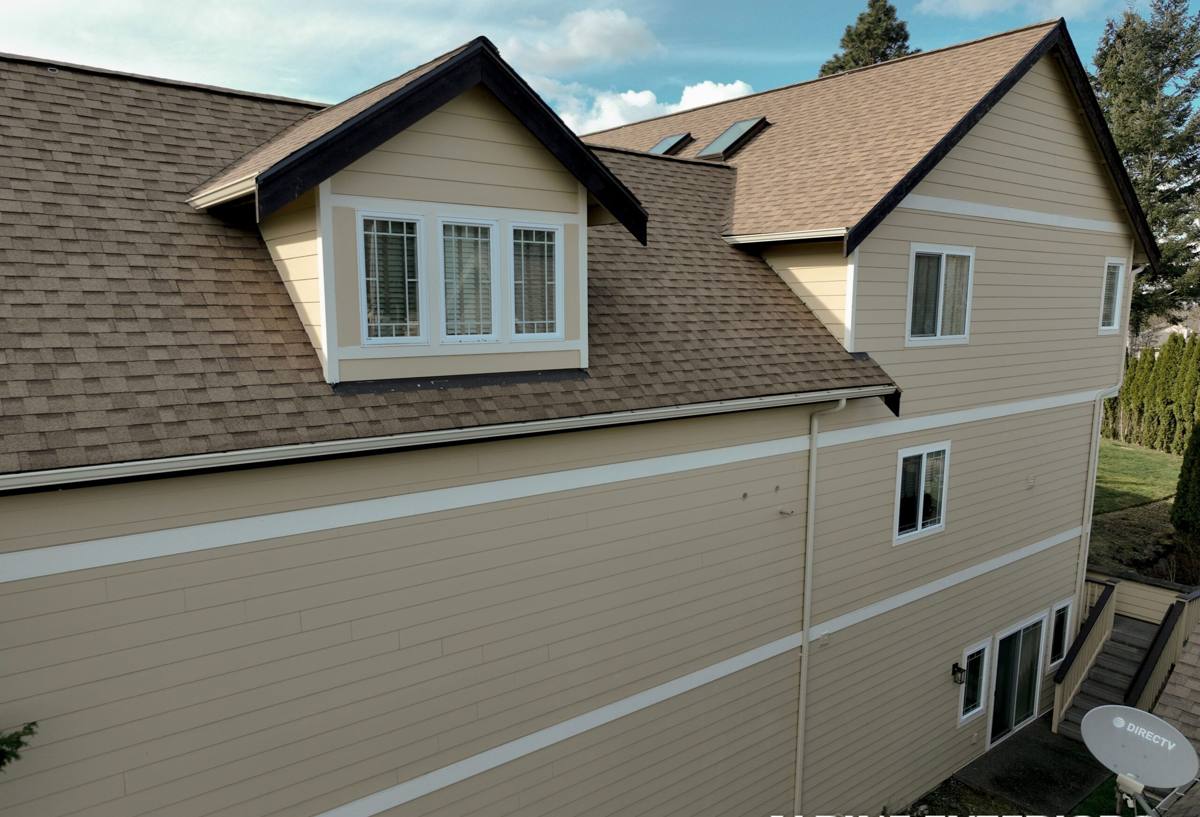
What "Energy-Efficient" Actually Means Here
The term gets used loosely, so it's worth being specific about what actually moves the needle on a Hillsborough County home:
Low-E Glass and Gas Fills
Low-emissivity (Low-E) coatings reflect a portion of solar heat before it enters the home, which matters enormously in a market where cooling costs run most of the year, not just in summer. Insulated glass units with an inert gas fill (typically argon) between panes slow heat transfer further. In a Florida climate, the priority is usually a lower Solar Heat Gain Coefficient (SHGC) — that's the number that tells you how much solar heat the glass lets through.
U-Factor and Air Infiltration
U-factor measures how well the whole window unit — glass and frame together — resists heat transfer. Lower is better. Air infiltration ratings matter just as much on Davis Islands specifically, because a poorly sealed frame doesn't just leak conditioned air, it also gives wind-driven rain and salt moisture a path into the wall cavity.
Frame Material
The frame is where a lot of coastal window failures actually start. Material choice affects how well a window resists salt corrosion, UV breakdown, and the expansion/contraction cycle that comes from Florida's heat swings. We cover the trade-offs below.
Impact Considerations for a Wind-Exposed Location
Homes on Davis Islands sit in a wind-borne debris region under the Florida Building Code, which affects what's required for window replacement, particularly for larger openings and homes closer to the water. Impact-rated windows use laminated glass that stays intact under debris impact and sustained wind pressure, which also means better protection against wind-driven rain intrusion during a tropical storm or hurricane, not just during a direct hit.
Impact-rated glass is not automatically the same thing as energy-efficient glass, and it's not automatically required for every opening on every home. Which combination makes sense depends on your home's age, orientation, existing protection (shutters, panels), and the specific code requirements that apply to your property. This is a conversation worth having before you pick a product, not after.
Frame Material Comparison
There's no single "best" frame material — there's a best fit for a given home, budget, and exposure level. Here's how the common options stack up for a Davis Islands property specifically:
| Frame Material | Salt Air & Humidity Resistance | Insulating Value | Typical Cost Position | Notes for Davis Islands |
|---|---|---|---|---|
| Vinyl | Good — won't corrode, minimal maintenance | Good | Lower to mid | Solid all-around choice; verify UV-stabilized formulation for long-term color and material stability |
| Fiberglass | Excellent — very stable, low expansion/contraction | Very good | Mid to higher | Handles heat cycling and coastal exposure well; often the best long-term value for direct water-facing homes |
| Aluminum | Fair — prone to corrosion unless properly coated/anodized | Lower unless thermally broken | Mid | Common in impact-rated systems; requires a thermally broken frame to perform efficiently |
| Wood-clad | Fair to good depending on cladding quality | Good | Higher | Attractive option for historic-style homes but needs more diligence on seal quality and maintenance in salt air |
We'll walk through which of these fits your home's style and exposure level during the estimate — there's rarely one "right" answer, but there is usually a clearly better one once we know the specifics of the house.
Signs Your Current Windows Are Working Against You
Homeowners often assume a window is fine as long as it opens and closes. On a coastal property, that's not a reliable test. Watch for these:
- Condensation forming between panes (a failed seal on an insulated glass unit — this can't be fixed, only replaced)
- Rooms near windows that feel noticeably hotter or colder than the rest of the house
- Visible corrosion, pitting, or chalky residue on aluminum frames or hardware
- Difficulty opening, closing, or locking — often a sign the frame has shifted or warped
- Noticeable street or storm noise that seems louder than it used to be
- Fading fabric, flooring, or furniture near south- or west-facing windows from unfiltered UV
- A cooling bill that's crept up without an obvious cause
Any one of these on its own isn't necessarily urgent. Several at once, especially on an older window, usually means the window is past the point where repair makes sense.
How We Approach a Davis Islands Window Job
1. On-Site Assessment
We look at each opening individually — orientation, exposure to prevailing wind and salt spray, current frame condition, and how the existing window is flashed and sealed into the wall. Windows on the water-facing side of a home often need a different spec than windows on a sheltered interior wall of the same house.
2. Product Selection
Based on that assessment, we recommend glass performance (Low-E coating, gas fill, SHGC/U-factor targets) and frame material suited to the exposure, along with impact rating where it's needed or required. We explain the trade-offs in plain terms — we're not going to hand you a spec sheet and walk away.
3. Permitting
Window replacement in Hillsborough County generally requires a permit, and impact-rated or structural changes to the opening trigger additional review. We handle this as part of the job rather than leaving it for the homeowner to sort out.
4. Removal and Installation
Proper installation is where a lot of window performance is actually won or lost, regardless of the product. That means correct flashing, sealant compatible with the frame material, and attention to how the new unit ties into the existing wall assembly so water has nowhere to travel behind the frame.
5. Final Check
Before we call a job finished, we verify that every window opens, closes, and locks properly, and that the seal around each frame is complete.
Why Local Experience on Davis Islands Matters
A crew that regularly works this specific area already understands things a general contractor coming from outside the region has to learn on the fly: how quickly salt air degrades unprotected metal here, what the county's permitting process actually requires for a wind-exposed property, and which frame and glass combinations hold up rather than just look good on install day. That familiarity shows up in fewer surprises during the job and fewer callbacks after it.
It also matters for something more practical — access. Davis Islands has narrow streets, tight lots, and specific parking and staging considerations that a crew unfamiliar with the neighborhood has to figure out on the day of the job, often at the homeowner's expense in time and disruption.
Maintenance After Installation
Energy-efficient windows still need some upkeep in a coastal environment to keep performing as designed:
- Rinse frames and tracks periodically to clear salt residue, especially on homes closer to open water
- Keep weep holes clear so water can drain out of the frame rather than sit against it
- Inspect exterior sealant and caulking annually and touch up before gaps open up
- Have hardware (locks, hinges, rollers) checked if operation starts feeling stiff or loose
None of this is complicated, but skipping it is how a well-installed window ends up with an avoidable problem five or ten years down the road.
Cost Factors Worth Understanding
Every estimate is different, but the main variables that move price on a Davis Islands job are consistent: number and size of openings, whether the window is impact-rated, frame material, and whether the existing opening needs structural or flashing work beyond a straight swap. Glass upgrades (Low-E coatings, gas fill, tinting) add a modest amount per unit compared to standard glass, while impact-rated glass and heavier-duty frames represent a larger jump. We'll break down where your money is actually going during the estimate rather than giving you one lump number with no explanation behind it.
If your windows are showing their age, costing you more to cool the house than they should, or you're simply planning ahead of hurricane season, we're happy to take a look and give you a straightforward, no-pressure estimate — no obligation, just an honest read on where things stand.