 Tampa Roofing
 Why Plant City's Climate Is Hard on Ordinary Windows
Plant City sits inland from the bay, but it still shares Hillsborough County's humid subtropical climate, and that climate does not go easy on windows. Summers bring months of direct, intense UV exposure that breaks down seals, warps low-quality vinyl, and fades interior floors and furniture through unprotected glass. Afternoon thunderstorms roll through with real force, and hurricane season adds the possibility of sustained high winds and wind-driven rain that will find any gap in a window's flashing or seal. Being further from the coast than Pinellas County beaches does mean less direct salt air corrosion here, but it does not mean immunity from wind pressure, humidity intrusion, or UV degradation. Windows built for a milder climate simply wear out faster in Tampa-area heat, and the energy loss shows up on the power bill long before a window visibly fails.
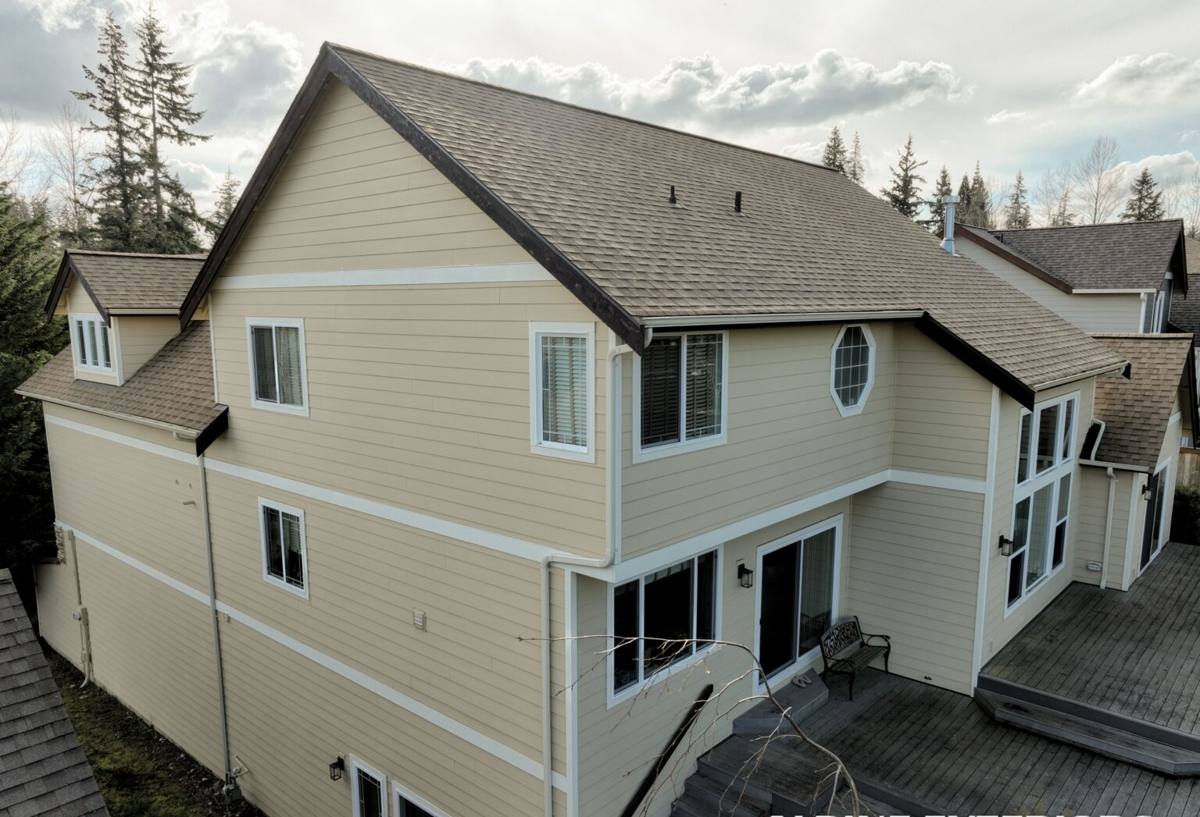
What "Energy-Efficient" Actually Means in This Climate
Energy-efficient is a specific, measurable standard, not a marketing label. For a Plant City home, it means a window built to reject heat gain, resist air infiltration, and hold up physically to sun and storms over its lifespan.
Glass and Low-E Coatings
Low-emissivity (Low-E) coatings are a microscopically thin metallic layer applied to the glass that reflects infrared heat back outside while still letting visible light through. In a hot, sun-heavy market like this one, Low-E glass is one of the highest-value upgrades available because it directly reduces the air conditioning load, which is the dominant utility cost in most Hillsborough County homes for most of the year.
Gas Fills and Multi-Pane Construction
Double-pane windows with an inert gas fill (typically argon) between the panes insulate significantly better than a single pane or an unfilled double pane. The gas is denser than air and slows heat transfer through the glass unit. For homes near busier roads, the extra pane also cuts down on outside noise.
Frame Material and Thermal Performance
The frame matters as much as the glass. A well-insulated frame with a proper thermal break prevents the frame itself from becoming a heat highway into the house, which is a common weak point on older aluminum-framed windows still found in a lot of Plant City's older housing stock.
Hillsborough County Code and Wind Considerations
Tampa and Plant City are not in Florida's High-Velocity Hurricane Zone (that designation applies to Miami-Dade and Broward), but the Florida Building Code still sets real wind load and product approval requirements for this region, and Hillsborough County enforces them through its permitting process. Every replacement window installed here needs a Florida Product Approval or Miami-Dade NOA number rated for the wind pressures at that specific house, based on its height, exposure, and location on the structure.
Homeowners generally have two compliant paths: impact-rated windows with laminated glass that can take a direct wind-borne debris hit without breaching, or non-impact windows paired with code-approved storm shutters or panels. Both are legitimate, code-compliant choices — the right one depends on budget, how the home is used, and how much the homeowner wants to rely on installing shutters before a storm versus having permanent protection built into the glass. What is not acceptable is mixing and matching parts, skipping the permit, or installing a window with a product approval rated for a different wind zone than the house actually needs.
Signs Your Current Windows Are Costing You Comfort and Money
Most homeowners do not replace windows because one window fails outright — they replace them because a collection of small problems adds up. Worth checking for:
- Rooms near windows feel noticeably hotter than the rest of the house in the afternoon
- Visible condensation or fogging between the panes, which means the seal has failed
- Windows that are difficult to open, close, or lock, or that no longer sit flush in the frame
- Air movement or a draft felt near a closed window on a windy day
- Soft or discolored wood, or staining on the wall or sill below the window, signaling water intrusion
- Outside noise coming through more than it seems like it should
- A jump in cooling costs that isn't explained by a rate increase or a hotter-than-usual summer
What a Correct Installation Actually Involves
The window unit itself is only part of the job. Most window failures we're called to look at in this area trace back to installation shortcuts, not a bad product.
Removal and Opening Inspection
Once the old window is out, the rough opening gets inspected for rot, moisture damage, or framing issues before anything new goes in. Installing a new window over a compromised opening just hides a problem that will resurface.
Flashing and Weatherproofing
Proper flashing directs any water that gets past the window itself back out and away from the wall assembly, rather than into it. This step is invisible once the job is done, which is exactly why it's the step most often shortcut on rushed jobs — and the one most likely to cause a leak two years later.
Shimming, Fastening, and Insulation
The window has to be shimmed level and plumb, fastened per the manufacturer's schedule (which matters for the wind rating to actually apply), and the gap between the window frame and rough opening insulated correctly — not stuffed too tight, not left open enough to leak air.
Sealant and Finish Work
Exterior sealant beads, interior trim, and finish work complete the job and are also where a window either looks factory-installed or looks obviously retrofitted. Correct caulking also protects the flashing work underneath from long-term UV breakdown.
Comparing Frame Materials for Plant City Homes
There is no single "best" frame material — the right choice depends on the home's age, budget, and how much upkeep the homeowner wants to take on.
| Frame Material | Energy Performance | Maintenance | Typical Cost Position |
|---|---|---|---|
| Vinyl | Good, especially with multi-chambered profiles | Low — no painting, won't rust or rot | Lower |
| Aluminum | Weaker unless thermally broken; conducts heat | Low, but can pit or corrode over time near humidity | Moderate |
| Fiberglass | Very good; stable in heat and cold | Low; holds paint well if color change is wanted later | Higher |
| Wood (clad) | Good, but performance depends on the cladding and seal quality | Highest — cladding protects the exterior, interior wood still needs care | Higher |
For most Plant City homes, a quality vinyl or fiberglass frame with impact-rated or Low-E glass hits the best balance of energy performance, storm resistance, and long-term upkeep in a climate this humid and sun-exposed.
What Affects the Cost of a Window Project
Installed window pricing varies by size, glass package, frame material, and whether the window is impact-rated, and it's reasonable for a homeowner to expect a range rather than a flat number until a specific home is measured. Standard single or double-hung replacement windows with quality Low-E glass generally run in the low-to-mid hundreds of dollars per window installed; impact-rated windows with laminated glass and heavier frames cost meaningfully more per unit because of the glass and hardware involved. Full-house replacements price out differently than a single problem window, and older homes sometimes carry added cost if the rough openings need repair work before the new window can go in. Any honest quote should break these factors out so it's clear what's driving the number.
Our Process, Start to Finish
- Free on-site assessment — we measure openings, check for moisture or framing issues, and talk through frame and glass options that fit the home and budget
- Written quote — specific products, wind rating, and pricing, no vague allowances
- Permitting — pulled through Hillsborough County per the Florida Building Code before any installation begins
- Removal and opening inspection — old windows out, opening checked and repaired if needed
- Installation — proper flashing, shimming, fastening, and insulation per manufacturer specification
- Finish and cleanup — sealant, trim, and job-site cleanup before we walk it with the homeowner
- Final inspection and closeout — county inspection scheduled and closed out, paperwork provided for warranty and, where applicable, insurance records
Why It Matters to Hire a Crew That Already Works in Plant City
Window installation looks similar on paper everywhere, but the details that matter — the correct wind pressure rating for a given lot and house height, what Hillsborough County's inspectors expect to see, how local framing and construction from different building eras behaves once you open a wall — are things a crew learns by working in this specific area, not by reading a manual once. A contractor who already pulls permits in this county knows the inspection process and doesn't need to learn it on a homeowner's project. That local familiarity translates into fewer surprises, fewer callbacks, and a job that's built correctly for Tampa's climate the first time, not adjusted after the fact.
If you're weighing whether it's time to replace windows in Plant City, we're happy to take a look and give it to you straight — no pressure, no sales script. Fill out the form below for a free estimate.