 Tampa Roofing
 New Roof Installation Built for Plant City's Climate
Plant City sits inland from Tampa Bay in eastern Hillsborough County, but "inland" doesn't mean protected. Homes here still take a full year of intense UV exposure, sit directly in the path of tropical systems and hurricane-force wind gusts moving across Central Florida, and deal with wind-driven rain that finds every weak seam in a roof system. Add the humidity that never really lets up and the salt-laden air that gets carried well inland during storm events, and you've got a climate that ages roofing materials faster than most manufacturers' warranty language assumes. A new roof installed here needs to be built for that reality from the deck up, not just installed to code minimums and hoped for the best.
This page covers what a correct new roof installation looks like specifically for Plant City homes, what our process involves, and why working with a crew that already installs roofs in this area — not one passing through — actually matters when the next storm season rolls around.
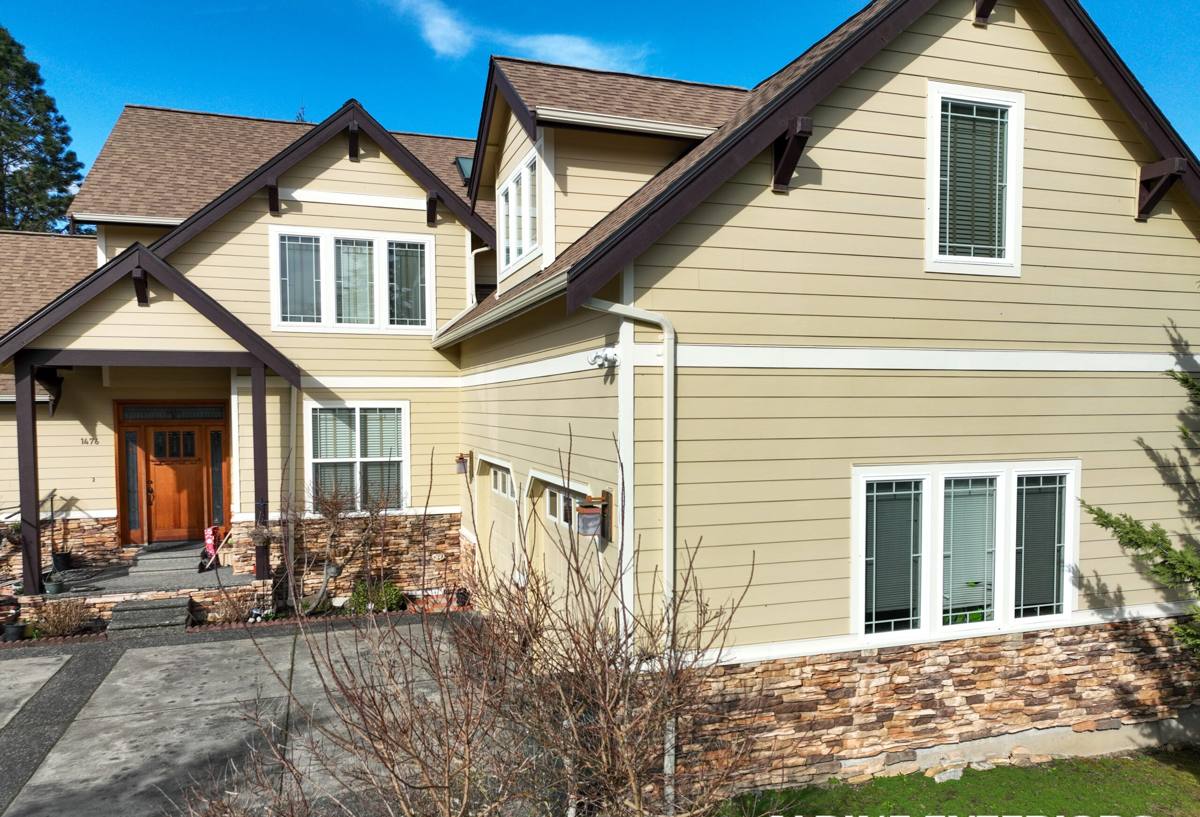
What Plant City Homes Need From a New Roof
The building style in this part of Hillsborough County is a mix: older single-story homes from the citrus and farming era, mid-century ranch homes, and newer construction in the residential developments that have grown up around Plant City over the past couple of decades. Roof pitches, deck materials, and attic ventilation setups vary a lot between them, which is exactly why a new roof installation should start with an honest assessment of the specific house, not a one-size-fits-all quote.
Sun and Heat
Florida sun breaks down roofing materials chemically over time, drying out asphalt oils in shingles and causing granule loss well before the rest of the roof is worn out. Attic heat buildup compounds this from underneath, which is why ventilation is part of the installation conversation, not an afterthought.
Wind-Driven Rain
Most roof leaks in this region don't come from rain falling straight down — they come from rain being pushed sideways and upward under wind pressure during a storm. That means underlayment overlap, flashing details, and fastening patterns matter more here than in calmer climates. A roof that looks fine from the ground can still have gaps that let wind-driven rain in during a heavy squall.
Storm and Wind Uplift
Hurricane-force gusts create uplift pressure that tries to peel roofing material off the deck, starting at edges, ridges, and corners. Installation details in those zones — not just the shingle or panel itself — determine whether a roof holds together in a storm.
What a Correct New Roof Installation Actually Involves
A new roof is more than laying new material over what's already there. Done right, it's a full system replacement, and skipping steps is where most premature failures come from.
Tear-Off and Deck Inspection
We remove the existing roofing down to the deck. This is the only way to find rotted decking, hidden water damage, or old flashing that's failed — problems you cannot see or fix by installing over the top of them. Any damaged decking gets replaced before anything new goes down.
Underlayment
Underlayment is the roof's backup waterproofing layer, and in a climate with regular wind-driven rain it's not optional or interchangeable. We install underlayment rated for the wind and moisture exposure this area sees, with proper overlap and fastening — not just whatever comes bundled cheapest with the shingle package.
Flashing
Flashing around chimneys, skylights, vent pipes, and roof-to-wall transitions is where the majority of leaks originate on an otherwise sound roof. New flashing, correctly formed and sealed at every penetration, is a standard part of our installation — not an upsell.
Ventilation
Proper intake and exhaust ventilation keeps attic temperatures and moisture in check, which protects the underside of the new roofing material and can meaningfully affect comfort and cooling costs in a home that sits under direct Florida sun most of the year.
Roofing Material Options for Plant City Homes
There's no single "best" roofing material — the right choice depends on your budget, the age and structure of your home, and how long you plan to own it. Here's an honest comparison of what we typically install in this area.
| Material | Typical Lifespan | Wind Performance | Best For |
|---|---|---|---|
| Architectural asphalt shingle | 20–30 years | Good, rated for regional wind zones | Most homes; balance of cost and durability |
| 3-tab asphalt shingle | 15–20 years | Lower wind resistance than architectural | Budget-conscious replacements |
| Standing seam metal | 40–50+ years | Excellent when properly fastened | Homeowners wanting maximum storm durability |
| Concrete or clay tile | 40–50+ years | Strong when installed with proper attachment | Homes suited structurally for the added weight |
We'll walk you through the real trade-offs for your specific home rather than steering you toward whichever material carries the best margin. Upfront cost, expected lifespan, maintenance needs, and how the roof structure handles the material's weight all factor into an honest recommendation.
Cost Factors for a New Roof Installation
Every roof is priced based on the specific house, so we won't quote a number without seeing it — but the main factors that move the price are consistent across Plant City jobs.
| Factor | Why It Matters |
|---|---|
| Roof size and pitch | More square footage and steeper pitches increase material and labor time |
| Number of existing layers | Extra tear-off layers add disposal and labor cost |
| Decking condition | Rotted or water-damaged decking needs replacement before installation |
| Material choice | Asphalt, metal, and tile carry different material and labor costs |
| Roof complexity | Valleys, dormers, skylights, and chimneys add flashing and labor time |
| Ventilation upgrades | Adding or correcting intake/exhaust venting adds material and labor |
We give a written, itemized estimate before any work starts so you know exactly what you're paying for and why — no vague lump-sum numbers.
Our New Roof Installation Process
- Inspection and estimate: We assess the current roof, deck, and ventilation, then walk you through material options and provide a written estimate.
- Permitting: We pull the required Hillsborough County building permit before work begins.
- Material delivery and site prep: Materials are staged and landscaping, gutters, and outdoor fixtures are protected.
- Tear-off: Old roofing is removed down to the deck and disposed of properly.
- Deck repair: Any damaged or rotted decking is replaced before installation continues.
- Underlayment and flashing installation: New underlayment and flashing go down with attention to wind and rain resistance at every seam and penetration.
- Roofing material installation: Shingles, metal panels, or tile are installed to manufacturer and code specifications for our wind zone.
- Ventilation check: Intake and exhaust ventilation is confirmed or corrected as part of the install.
- Final walkthrough and county inspection: We review the completed roof with you and coordinate the required final inspection.
Signs a Plant City Home Needs a New Roof, Not a Repair
Not every roof problem calls for full replacement — but these signs usually mean a repair is only delaying the inevitable:
- Shingles that are curling, cracking, or missing granules over large sections of the roof
- Multiple active leaks or water stains appearing in different areas of the ceiling
- Visible sagging anywhere on the roofline
- A roof at or past the end of its expected lifespan, even if it "looks okay" from the ground
- Repeated repairs to the same areas without lasting results
- Daylight visible through the roof deck from inside the attic
- Soft or spongy decking discovered during inspection
If you're only seeing one or two of these and the roof is otherwise sound, a repair may genuinely be the right call — we'll tell you that honestly rather than pushing a full replacement you don't need yet.
Why Local Experience in Plant City Matters
A crew that regularly works in Plant City and the surrounding Hillsborough County area knows the wind zone requirements, the county permitting process, and how local building patterns — older decking, varied roof pitches, additions built onto original structures — affect an installation. That familiarity shows up in fewer surprises during tear-off, fewer permitting delays, and a roof detailed for the wind and rain this specific area actually sees, rather than generic installation practices borrowed from a different climate. It also means someone who knows the job and the neighborhood is reachable if a question comes up after the work is done.
Get a Free, No-Pressure Estimate
If your Plant City home needs a new roof, we'll come take an honest look, walk you through the material and cost options that fit your situation, and give you a clear written estimate — no pressure, no hard sell. Use the form below to request your free estimate.