 Tampa Roofing
 Why Riverview Homes Wear Out Siding Differently Than Homes Inland
Riverview sits in the humid subtropical belt of Hillsborough County, close enough to Tampa Bay that homes here deal with a combination of stresses that drier climates never see. Summers bring long stretches of intense, direct UV that breaks down pigments and resins in cheaper siding materials. Afternoon storms roll in fast and hit siding sideways, driving water into seams and laps that would stay dry in a straight-down rain. Hurricane season adds sustained wind loads and wind-borne debris that test every fastener and joint. And because the area sits near brackish water and the bay, homes get periodic exposure to salt-laden air that accelerates corrosion on fasteners, trim, and anything not rated for it.
None of these factors is dramatic on its own. The problem is that they stack, year after year, on siding that was never engineered for this combination. A product that performs fine in a mild climate can fail in Hillsborough County in half the expected time — not because it's a bad product everywhere, but because it's the wrong product here.
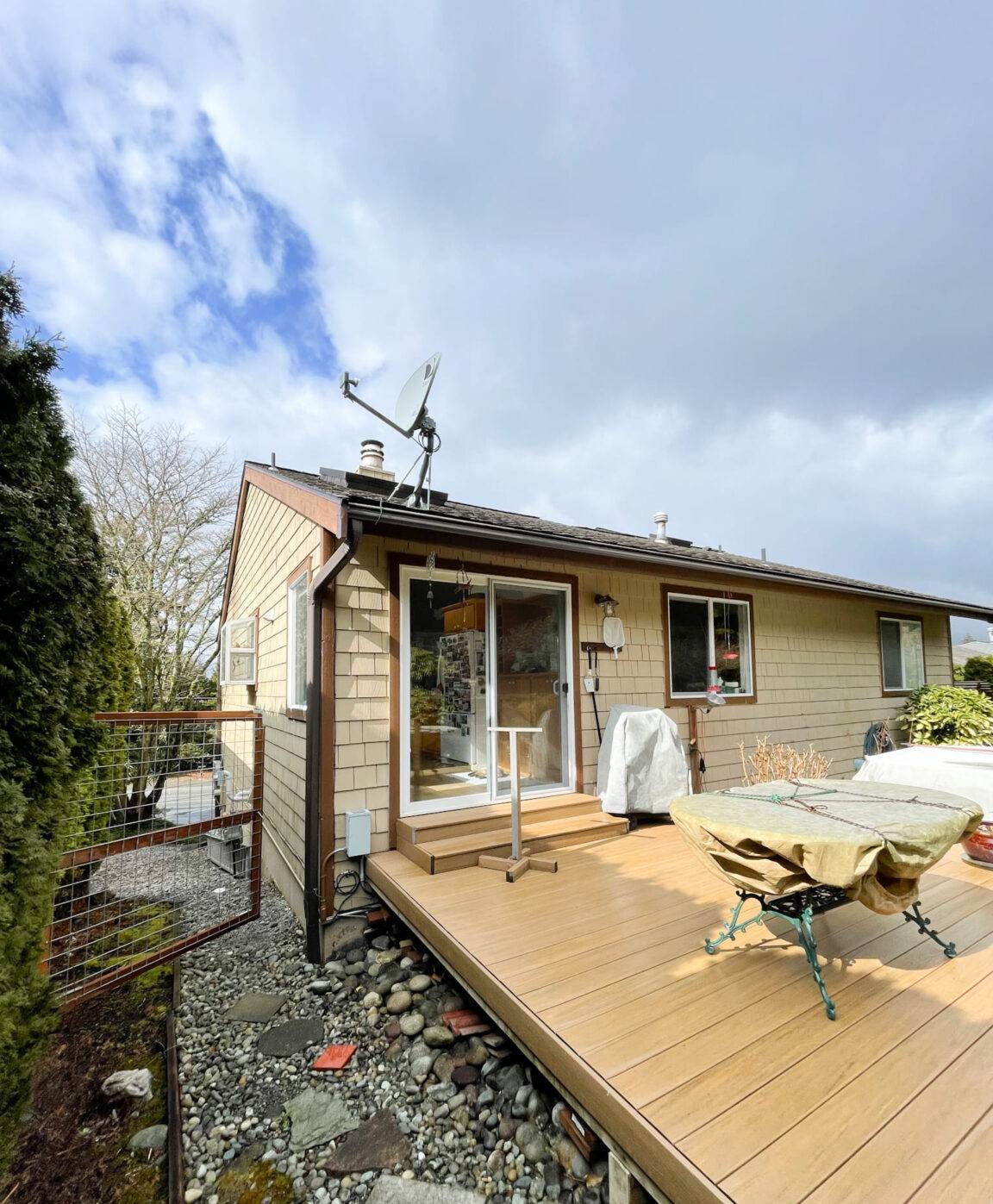
How to Tell Riverview Siding Has Reached the End of Its Life
Siding failure in this climate is usually gradual, and homeowners often don't notice until damage has already reached the sheathing underneath. Watch for these signs:
- Boards or panels that feel soft, spongy, or crumble slightly when pressed near the bottom edges
- Visible cupping, warping, or buckling, especially on south- and west-facing walls that take the most sun
- Paint that's peeling, bubbling, or chalking faster than expected between repaints
- Gaps opening up at seams, corners, or around window and door trim
- Dark streaking or persistent mildew that keeps returning after cleaning
- Rust bleeding from fastener heads or trim staples
- A musty smell in interior rooms along an exterior wall — often the first sign moisture has gotten past the siding
Any one of these on its own might just mean a cleaning or a repaint. Several at once, especially combined with soft spots, usually means the water-resistive barrier behind the siding has been compromised and full replacement is the honest recommendation — not another round of caulk and patch.
What a Correct Siding Replacement Actually Involves
Siding replacement isn't just pulling off old boards and nailing up new ones. Done right, it's a system, and skipping steps is exactly how a brand-new siding job ends up failing in five years instead of thirty.
Tear-Off and Inspection
Old siding comes off in full, not patched around. That's the only way to actually inspect the sheathing underneath for rot, soft spots, or prior water damage. Any compromised sheathing gets replaced before anything new goes up — covering damaged wood with new siding just hides a problem that keeps growing.
Water-Resistive Barrier and Flashing
A new weather-resistant barrier goes over the sheathing, with careful attention to seams, laps, and overlaps so water sheds down and out rather than working its way in. Flashing gets installed or replaced at every window, door, and roofline intersection — these transition points are where the overwhelming majority of siding leaks actually start, not in the field of the wall.
Fastening and Fit
Fiber cement siding has specific fastening requirements — nail type, spacing, and how far from the edge each fastener sits all affect long-term performance and warranty coverage. Panels and planks need proper gaps at joints and butt seams to allow for expansion, and every cut edge gets sealed or primed so raw material isn't left exposed to weather.
Trim, Caulking, and Finish Details
Corners, window and door trim, and transitions to roofing or masonry all get finished with the same care as the field of the wall. This is where a rushed crew cuts corners that homeowners won't notice for a year or two — until water finds the gap.
Why We Install Only James Hardie Fiber Cement Siding
We standardized on James Hardie fiber cement for every siding replacement we do, including here in Riverview, and we don't install vinyl, LP SmartSide, or wood siding products. That's a deliberate professional standard, not a sales pitch.
Fiber cement doesn't expand and contract with heat the way vinyl does, which matters under Tampa's summer sun. It's non-combustible, which matters in a state where wildfire and lightning-strike house fires are a real risk. James Hardie's HZ5 product line is specifically engineered for high-humidity, high-moisture climates like Florida's Gulf Coast, and the factory-applied ColorPlus finish is baked on under controlled conditions rather than field-painted, which means better UV and color retention than a job-site paint job can match. It also carries a strong transferable warranty when installed to Hardie's specifications — which is part of why correct installation, not just correct material, matters so much.
We're not going to tell you every other siding product is worthless — vinyl and engineered wood have real use cases and loyal installers. But we've made a professional call about what holds up best against Hillsborough County's specific combination of UV, humidity, wind-driven rain, and storm exposure, and we only put our name behind installations we're confident in.
Our Process, Start to Finish
- On-site assessment — we walk the exterior, check for existing moisture damage, and measure for material
- Written estimate — a clear scope of work and price, not a vague ballpark
- Scheduling around weather — Florida's storm patterns mean we plan tear-off in stretches where we can get the wall dried in and protected before weather moves in
- Tear-off and sheathing inspection — old material removed, substrate checked and repaired as needed
- Barrier, flashing, and installation — installed to Hardie's fastening and clearance specifications
- Trim and finish work — corners, caulking, and paint touch-up where field cuts require it
- Final walkthrough — we go over the finished work with the homeowner before calling the job done
Siding Material Comparison for Hillsborough County Homes
| Factor | James Hardie Fiber Cement | Vinyl | Engineered Wood / Untreated Wood |
|---|---|---|---|
| Heat and UV stability | High — factory finish resists fading | Can soften, warp, or fade in direct sun | Moderate — depends on paint maintenance |
| Moisture and humidity resistance | Engineered for high-humidity climates (HZ5 line) | Resists water itself but seams can trap moisture | Vulnerable to swelling and rot if moisture gets in |
| Wind and storm performance | Rigid, heavy, holds up well when properly fastened | Lighter, can crack or blow off in high wind | Depends on installation and substrate condition |
| Fire rating | Non-combustible | Combustible | Combustible |
| Typical repaint interval | Long — factory finish, not field paint | Never painted, but fades/chalks over time | Every few years depending on exposure |
Cost Factors for a Riverview Siding Replacement
Every home is different, and we don't quote a number without seeing the house, but the same factors move the price on nearly every job we do in this area:
| Factor | Why It Matters |
|---|---|
| Home size and wall complexity | More corners, gables, and cutouts mean more labor and trim work |
| Condition of existing sheathing | Rot or water damage found during tear-off adds repair scope |
| Siding profile chosen | Lap width, texture, and trim style affect material cost |
| Story height and access | Two-story walls and tight lot lines require more equipment and time |
| Existing trim and detail work | Matching or upgrading window and door trim adds scope |
Broad ranges for full siding replacement in this region typically run from the low tens of thousands for a modest single-story home to well above that for larger or more complex homes — but the only honest number is one based on an actual walk of your property.
Why a Crew That Already Works in Riverview Matters
Siding installation quality depends heavily on whether the crew understands the conditions the wall will actually face once the job is done. A crew that works this part of Hillsborough County regularly already knows how the afternoon storm pattern affects scheduling, how much clearance to leave at grade and hardscape given the humidity here, and where flashing tends to get overlooked on the roof and window styles common in this area. That experience shows up in fewer callbacks and a job that's still performing correctly a decade later, not just on the day it's finished.
It also matters for accountability. A local crew that plans to keep working in this community has every incentive to get the flashing, fastening, and finish details right the first time — because a bad reputation in a small area travels fast.
Caring for Your New Siding After Installation
- Rinse the siding a couple of times a year to clear salt residue, pollen, and mildew before it builds up
- Keep sprinklers and irrigation heads from spraying directly on the wall long-term
- Trim shrubs and landscaping back from the siding to let it dry out fully after rain
- Re-caulk trim joints if you notice gaps opening up, rather than waiting for a leak
- Walk the exterior after major storms and note any impact damage for early repair
- Keep gutters and downspouts clear so water isn't running down the wall face
If you're seeing warning signs on your current siding or you're simply ready to stop maintaining a product that keeps demanding attention, we're happy to take a look. We offer free, no-pressure estimates for Riverview homeowners — walk the exterior with us, get a straight answer about what your home actually needs, and decide from there.