 Tampa Roofing
 Siding Built for Temple Terrace's Climate, Not Just Its Curb Appeal
Temple Terrace sits inland from Tampa Bay, but "inland" doesn't mean sheltered. Homes here still take the full brunt of Hillsborough County's weather cycle: months of intense, direct UV exposure, sudden wind-driven thunderstorms nearly every summer afternoon, tropical systems that can bring sustained hurricane-force gusts, and a humid, moisture-heavy air mass that never really lets a house dry out completely. Add the salt air that drifts in from Tampa Bay on prevailing winds, and you have a combination that is genuinely hard on exterior building materials.
Siding on a Temple Terrace home isn't decorative — it's the first line of defense against all of that. When it's installed correctly, with the right product and the right detailing, it holds paint, resists moisture intrusion, and shrugs off wind events for decades. When it's installed poorly, or with the wrong material, problems show up fast: swelling seams, cracked panels, chalky faded paint, and moisture working its way behind the cladding into the sheathing and framing. We install siding in this area with that reality front and center.
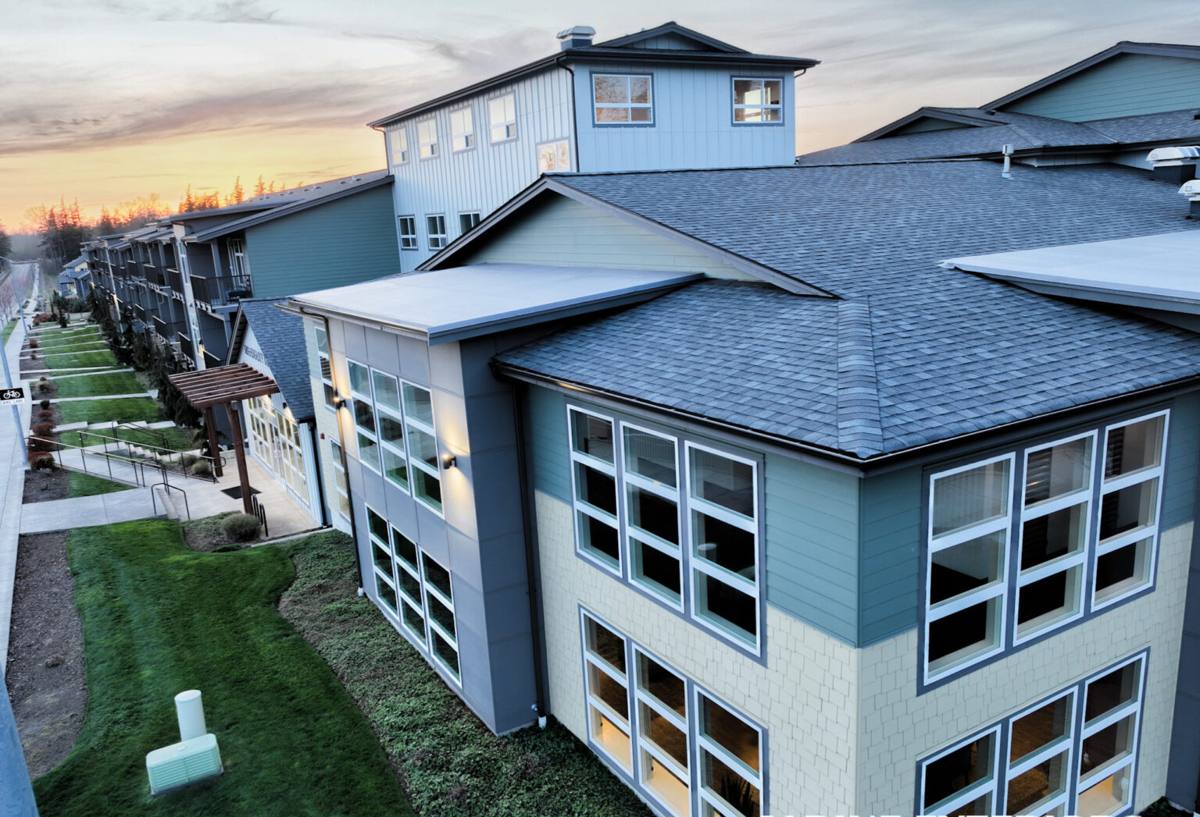
What Temple Terrace Homes Actually Need From Their Siding
Moisture and Humidity Resistance
Central Florida's humidity doesn't take days off. Siding that absorbs moisture, or that traps it behind the panel because of poor installation, stays damp longer than it should. Over time that leads to rot in the substrate, mold and mildew growth, and paint failure. The material itself needs to shed water well, and the installation needs to allow the wall assembly to manage the moisture that inevitably gets near it.
UV and Fade Resistance
Tampa-area sun is intense year-round, not just in summer. Siding finishes that aren't engineered for this exposure chalk, fade, and need repainting on a much shorter cycle than homeowners expect. A finish that holds its color and integrity under sustained UV load saves real money in avoided repaint cycles over the life of the siding.
Wind Performance
Temple Terrace isn't a coastal barrier-island community, but it's still squarely inside the wind-load zones that Hillsborough County's building code accounts for. Named storms and even ordinary summer squall lines can produce gusts strong enough to peel back poorly fastened siding or lift panels installed with the wrong nailing pattern. Correct fastening schedules and starter details matter as much as the product itself.
Salt Air Corrosion
You don't have to be waterfront to feel the effects of salt-laden air moving off Tampa Bay. Salt accelerates corrosion of exposed fasteners and trim metal and can degrade certain siding finishes faster than inland-only climates would. Material choice and fastener selection both need to account for it.
Why We Only Install James Hardie Fiber Cement Siding
We made a decision as a company to install exactly one siding system: James Hardie fiber cement. We don't install vinyl, LP SmartSide, Cemplank, Allura, or wood products like primed spruce or cedar, and we're upfront with homeowners about why. It's not that every alternative is without merit — it's that after years of installations and repairs across the Tampa Bay area, Hardie is consistently the product that holds up the way homeowners expect it to, especially in a climate this demanding.
| Material | How it holds up in Tampa Bay conditions |
|---|---|
| Vinyl siding | Lightweight and inexpensive, but it can soften, warp, or blow off in high winds, and prolonged UV exposure causes visible fading and brittleness over time |
| Wood (cedar, primed spruce) | Attractive natural look, but humidity and moisture cycling drive rot, insect activity, and frequent repainting; high long-term maintenance in this climate |
| LP SmartSide, other engineered wood | Improved over raw wood, but still wood-fiber based and more sensitive to sustained moisture exposure at cut edges and joints than fiber cement |
| Other fiber cement (Cemplank, Allura) | Similar core material to Hardie, but we've standardized on one supply chain, one factory finish system, and one warranty structure to control quality and accountability |
| James Hardie fiber cement | Non-combustible, dimensionally stable in heat and humidity, factory-baked ColorPlus finish resists fading, HZ5 product line engineered for hot, humid, high-moisture climates |
James Hardie's HZ5 formulation is specifically engineered for climate zones like ours — hot, humid, and prone to wind-driven rain. The fiber cement core doesn't absorb moisture the way wood-based products can, it won't ignite or contribute fuel in a wildfire or ember exposure event, and it holds paint and factory finish far longer under UV load. The ColorPlus finish is baked on at the factory under controlled conditions, which produces a more consistent, longer-lasting color than field-applied paint. Backed by a strong transferable warranty, it's the product we're willing to put our name behind on Temple Terrace homes.
What a Correct Siding Installation Actually Involves
Fiber cement siding is only as good as the installation behind it. A rushed or careless job on the right product can still fail early. Here's what we consider non-negotiable on every job:
- Removal of old siding and full inspection of the sheathing underneath for rot, moisture damage, or pest activity before anything new goes up
- Repair or replacement of any compromised sheathing — never siding over a damaged substrate
- Correct weather-resistive barrier installation, properly lapped and sealed to manage bulk water and vapor
- Manufacturer-specified fastening patterns and fastener types, accounting for local wind-load requirements
- Proper clearances at grade, roof lines, and any penetrations to keep water from wicking into panel edges
- Correctly caulked and flashed joints, corners, and openings using materials rated for the exposure
- Factory-finished panels handled and cut in ways that preserve the ColorPlus coating's integrity
Skipping any of these steps is how you end up with a siding job that looks fine at handoff but fails within a few years — moisture behind the panels, fastener corrosion, or wind uplift at the edges. It's also why we don't treat siding installation as a one-day cosmetic swap. The substrate work and detailing take longer than hanging panels, and that's where the actual protection comes from.
Our Process for Temple Terrace Siding Projects
1. On-Site Assessment
We walk the exterior with the homeowner, check the condition of the existing siding and visible sheathing, and note any problem areas — moisture staining, soft spots, prior water intrusion — before quoting anything.
2. Scope and Product Selection
We go over which James Hardie profile and color fit the home — lap siding, board and batten, or a mix with trim — and explain what's involved in the tear-off and prep for this specific house.
3. Substrate Repair
Once old siding comes off, we address whatever the sheathing tells us. This is often where a quote adjusts, and we explain exactly why before doing the work.
4. Installation to Manufacturer Spec
Panels go up following James Hardie's published installation guidelines for our wind zone and climate, with attention to fastening, flashing, and clearances.
5. Final Walkthrough
We inspect the finished job with the homeowner, check caulking and trim details, and make sure everything meets the standard we'd accept on our own home.
Cost Factors for Siding Installation in This Area
| Factor | Why it affects the price |
|---|---|
| Home size and wall complexity | More square footage, corners, and gables mean more material and labor time |
| Substrate condition | Rotted or moisture-damaged sheathing found during tear-off requires repair before new siding goes up |
| Siding profile and trim detail | Board and batten, extensive trim work, or custom accents cost more than straightforward lap siding |
| Existing siding removal | Tear-off and disposal of old material (especially old wood or multiple layers) adds labor |
| Access and site conditions | Multi-story sections, tight lot lines, or landscaping obstacles can slow installation |
We won't quote a firm number without seeing the house, but we're happy to walk through these factors on-site so there are no surprises once the old siding comes off.
Why Local Experience in Temple Terrace Matters
A crew that regularly works Hillsborough County homes already knows the wind-load requirements the local code enforces, understands how the sun angle and humidity here behave differently than they do further north, and has seen firsthand what happens when siding is installed without accounting for wind-driven rain. That experience shows up in the small decisions — flashing details, fastener spacing, where to expect moisture to try to get in — that a crew unfamiliar with the area might miss. It also means faster response if a storm damages siding and a repair or inspection is needed quickly.
If your Temple Terrace home needs new siding, or you're evaluating whether your current siding is holding up the way it should, we're glad to take a look. Reach out for a free, no-pressure estimate — we'll assess the house, answer your questions honestly, and give you a clear picture of what's involved before any work begins.