 Tampa Roofing
 Fiber Cement Siding for Plant City Homes
Plant City sits on the eastern edge of Hillsborough County, far enough inland to escape the immediate salt spray of the coast but still squarely inside the same hurricane-risk corridor, the same relentless UV load, and the same humidity that defines Tampa Bay's climate. Homes here take a different kind of beating than a beachfront property, but it's a beating all the same — afternoon thunderstorms that build almost daily in summer, long stretches of high heat and moisture that never really let a house dry out, and the occasional tropical system that tests every seam, joint, and fastener on the exterior. Siding in this area has to do more than look good on installation day. It has to hold up through years of that cycle without cupping, rotting, or losing its finish.
That's the case we make for James Hardie fiber cement siding on Plant City homes specifically. It's not a generic recommendation — it's a product built for exactly this kind of climate, installed by a crew that already works this part of Hillsborough County and knows what the humidity and storm exposure actually do to a house over time.
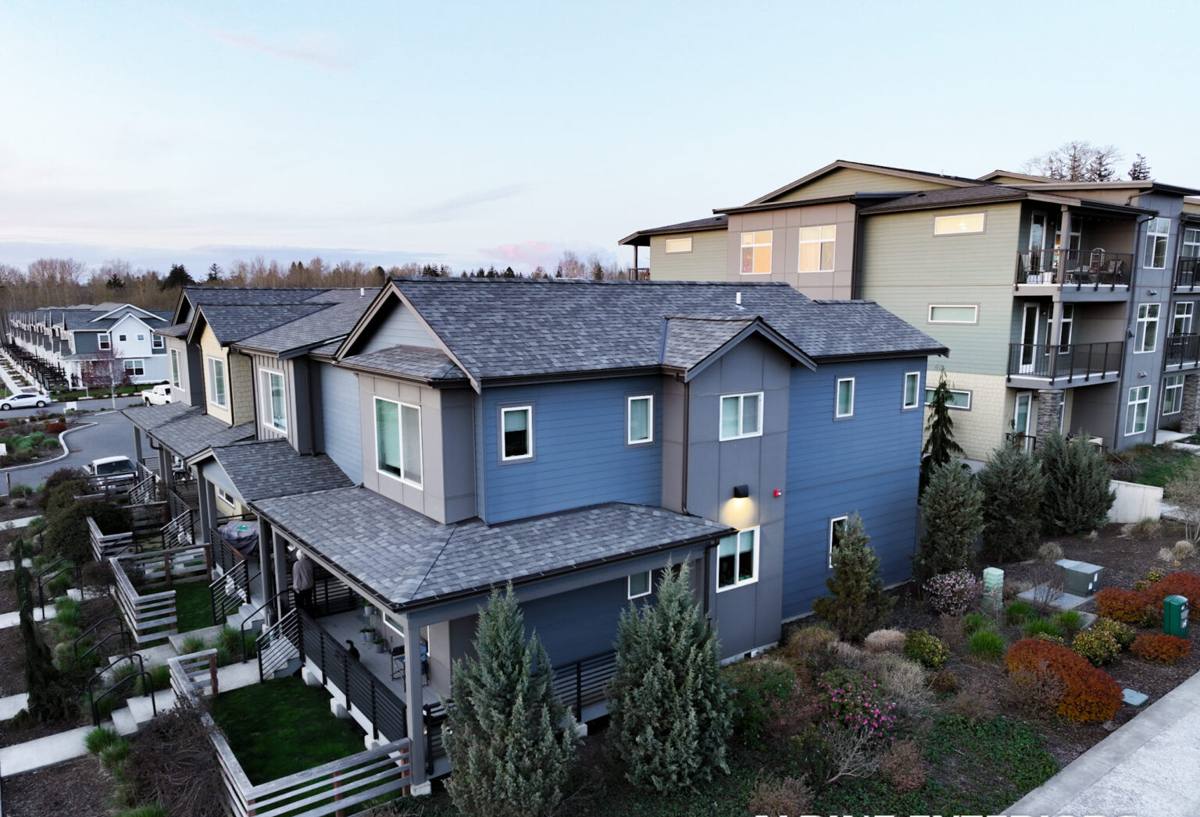
What Plant City's Climate Does to Siding
Before talking about the product, it's worth being specific about what siding is actually up against here, because it shapes every decision in the installation.
Heat and UV Exposure
Central Florida gets sun almost year-round, and the intensity of that UV exposure breaks down a lot of exterior materials faster than homeowners expect. Paint fades and chalks. Some siding materials warp or become brittle under sustained heat-cool cycling. A finish that isn't engineered for this kind of exposure will start looking tired within a handful of years, well before the material itself has failed.
Humidity and Moisture Cycling
Hillsborough County's humidity doesn't let up much, even overnight. Materials that absorb moisture — wood-based products especially — stay damp longer than they would in a drier climate, which accelerates rot, swelling, and paint failure at the seams. Siding that can't handle sustained moisture exposure is fighting an uphill battle here from day one.
Wind and Storm Risk
Plant City isn't a coastal town, but it's still inside Tampa Bay's hurricane and tropical storm path. Wind-driven rain during a tropical system will find any weak point in a siding installation — a poorly caulked joint, an under-fastened panel, a butt seam that wasn't flashed correctly. The siding material matters, but so does the installation, because a good product installed wrong still fails in a storm.
Pests and Organic Growth
Warm, humid conditions in this part of Florida are hospitable to wood-boring insects and to mold and mildew growth on organic siding materials. Non-organic materials sidestep that risk entirely, which matters for a material expected to last decades on a house.
Why We Install Only James Hardie Fiber Cement
Tampa Roofing Co made a deliberate decision to install James Hardie fiber cement siding exclusively — not vinyl, not LP SmartSide, not Cemplank or Allura, not primed spruce or cedar. That's a narrower stance than most contractors take, and it's worth explaining plainly.
Fiber cement itself is a cement, sand, and cellulose fiber composite that is non-combustible and dimensionally stable — it doesn't expand and contract with heat and moisture the way wood does, and it doesn't soften or warp in sustained Florida sun the way vinyl can. Within fiber cement, James Hardie is the manufacturer we standardized on because of three things specifically:
- Climate-engineered product lines. Hardie's HZ5 formulation is engineered for hot, humid, high-moisture climates — which describes Hillsborough County precisely.
- Factory-applied ColorPlus finish. The color is baked on at the factory under controlled conditions, rather than field-painted, which gives it better UV and fade resistance than a job-site paint job typically achieves.
- A strong, transferable warranty backed by a large, established manufacturer. That matters for resale, and it matters because the company has the track record and scale to stand behind it.
We're not going to claim other fiber cement brands or wood siding are bad products — that's not a fair or accurate statement, and manufacturers like LP and Allura make reasonable products with their own strengths. Our decision is about standardizing on one system we trust completely, training our crews on that one system, and being able to stand fully behind every installation without hedging. A contractor who installs six different siding brands is spread across six different sets of installation quirks, fastening specs, and warranty terms. We chose depth over breadth.
What a Correct Installation Actually Involves
Fiber cement siding is only as good as its installation. Hardie's own installation guidelines are specific, and skipping steps is exactly how a good product ends up with a bad reputation in a homeowner's mind.
Substrate and Moisture Barrier
Before any siding goes up, the wall sheathing needs to be sound, and a proper weather-resistant barrier needs to be installed correctly — lapped and sealed to shed water downward, not trap it behind the siding. In a humid climate like Plant City's, a compromised moisture barrier is one of the most common root causes of hidden wall damage.
Clearances and Flashing
Hardie specifies minimum clearances from siding to roofline, grade, decks, and other abutting surfaces, plus flashing at every horizontal joint, window, and door. These clearances exist specifically to keep water from wicking up into the bottom edge of the siding — skip them and you're building in a moisture problem that won't show up until years later.
Fastening
Correct fastener type, spacing, and placement matter more in a high-wind region than in most of the country. Under-fastened siding is a common cause of panels working loose or blowing off during tropical storm-force winds — a risk that's real for Plant City even without a direct hurricane hit.
Joints and Caulking
Butt joints between siding boards need to be treated correctly — either flashed or joined with a manufacturer-approved joint system — and caulked with a high-quality, paintable, exterior-grade sealant at penetrations and transitions. This is one of the most common places an installation is done wrong, and one of the first places a poor installation fails.
Painted Cut Edges
Every field-cut edge of ColorPlus siding needs to be sealed with the manufacturer's touch-up product. An unsealed cut edge is a direct entry point for moisture into the board itself.
Installation Checklist We Follow on Every Job
- Inspect and repair sheathing before covering it
- Install a continuous, properly lapped weather-resistant barrier
- Maintain manufacturer-specified clearances at roofline, grade, and decks
- Flash all horizontal joints, windows, and doors
- Use correct fastener type, length, and spacing for the wind zone
- Seal every field-cut edge with touch-up product
- Caulk joints and penetrations with exterior-grade, paintable sealant
- Final walk-through inspection against Hardie's published installation guidelines
Comparing Siding Options for Plant City Conditions
It helps to see the trade-offs side by side rather than take our word for it in the abstract.
| Factor | James Hardie Fiber Cement | Vinyl | Wood / Primed Spruce |
|---|---|---|---|
| Heat and UV stability | Engineered for high heat; factory finish resists fading | Can soften, warp, or fade in sustained heat | Paint fades and chalks faster under intense UV |
| Moisture and humidity resistance | Non-organic, dimensionally stable | Resistant to rot but can trap moisture behind panels | Absorbs moisture; prone to rot and swelling |
| Wind/storm performance | Heavy, rigid, holds up well when properly fastened | Lighter panels can crack or blow off in high wind | Depends heavily on maintenance condition |
| Fire resistance | Non-combustible | Combustible | Combustible |
| Maintenance burden | Low; factory finish, periodic caulk checks | Low, but fading/warping is hard to spot-repair | High; repainting and rot checks needed regularly |
| Typical lifespan with proper install | Decades, per manufacturer warranty | Moderate; sun and heat shorten service life | Shorter without diligent upkeep |
No siding material is maintenance-free forever, and Hardie siding still needs periodic inspection — checking caulk lines, watching for any impact damage, keeping gutters and downspouts directing water away from the wall. But the baseline durability against Plant City's specific combination of heat, humidity, and storm wind is why we don't hedge our recommendation.
Why a Crew That Already Works Plant City Matters
Installation quality is the single biggest variable in how siding performs over its lifetime, and local experience shapes that quality in ways that aren't obvious from a spec sheet. A crew that regularly works Hillsborough County jobs already knows the county's permitting and inspection process, already understands what wind-load and clearance details local inspectors check closely, and has already seen how homes in this specific climate — not a generic climate zone, but this one — age and where they tend to develop problems first. That local pattern recognition is what separates a technically correct installation from one that's also built for the conditions the house will actually face for the next twenty or thirty years.
It also matters for something less technical but very practical: being reachable. A crew based in the Tampa area, working Plant City regularly, isn't a one-time visitor who's hard to reach if a caulk line needs a touch-up two years down the road or a question comes up about warranty coverage.
Our Process for a Plant City Siding Project
Every siding job starts with an in-person assessment of the current exterior — checking for existing moisture damage behind old siding, evaluating the condition of the sheathing, and identifying any trouble spots like poorly flashed windows or areas with a history of water intrusion. From there we walk through the Hardie product lines and ColorPlus color options relevant to the home's style, put together a written scope covering removal, prep, and installation, and schedule the work around Florida's rain patterns as much as reasonably possible to keep the project moving. Once installed, every job gets a final inspection against Hardie's own installation checklist before we consider it complete — not just a visual walk-around, but a check against the manufacturer's actual specifications for clearances, fastening, and sealing.
Get a Straight Answer for Your Home
If you're weighing a siding replacement in Plant City — whether the current siding is showing wear from Florida sun and humidity, or you're dealing with damage from a past storm — we're happy to take a look and give you a straightforward assessment of what your home actually needs. Request a free, no-pressure estimate using the form below, and we'll walk the exterior with you and talk through what correct James Hardie installation looks like for your specific house.