 Tampa Roofing
 Why Plant City Siding Takes a Beating
Plant City sits inland from Tampa Bay, but "inland" doesn't mean protected. Homes here still sit inside Hillsborough County's hurricane corridor, and they still bake under the same intense, nearly year-round Florida sun that ages exterior materials fast. When a tropical system tracks through the region, Plant City catches the same sideways, wind-driven rain that hammers the coast — it just arrives with a little less warning about how hard it's going to hit.
That combination is rough on siding. UV exposure breaks down caulk, paint, and the surface layer of lower-grade materials over years of daily sun. Wind-driven rain finds every gap in flashing, trim, and seams and pushes moisture in behind the siding instead of letting it run off the surface. And when storms bring gusts strong enough to flex or lift panels, even siding that looks fine from the ground can have loosened fasteners, sprung seams, or hidden cracks that let water in every time it rains afterward.
Humidity is the quiet part of the problem. Central Florida's damp air doesn't let wood-based or moisture-sensitive siding materials dry out fully between rain events, which is exactly the condition that lets rot and mold get started behind the surface where nobody sees it until the damage is advanced.
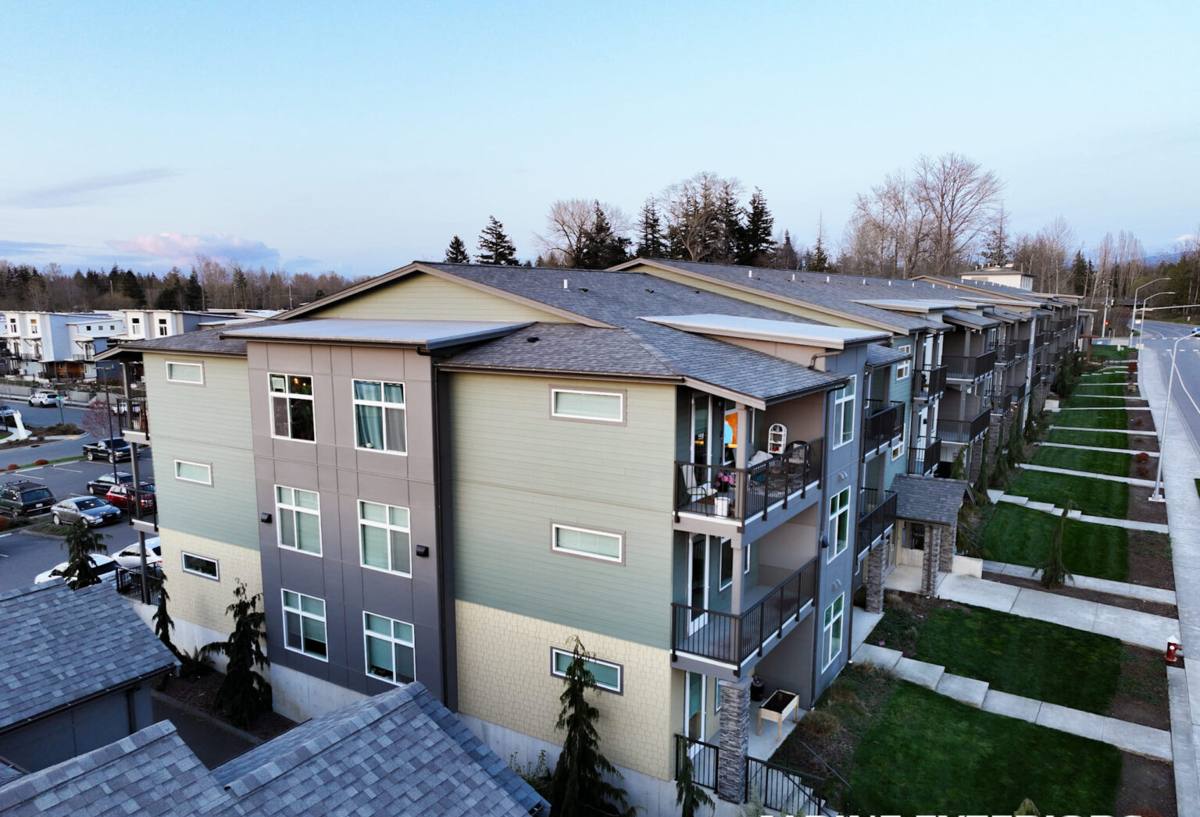
Signs Your Siding Needs Repair — Not a Full Replacement
Damage you can see
- Cracked, split, or chipped panels, usually near corners, seams, or fastener points
- Warping or buckling, especially on walls that get direct afternoon sun
- Soft or spongy spots when you press on the siding — a sign moisture has already gotten in
- Peeling or bubbling paint/finish in a localized area rather than across the whole house
- Gaps opening up around windows, doors, or where siding meets trim
Damage that hides
The more expensive problems are usually the ones you can't see from the driveway. Water intrusion behind siding can travel along the sheathing and framing before it ever shows up as a visible stain or soft spot on the exterior. If a section of siding has been leaking for a while, a proper repair has to address what's happening behind the panel — the house wrap, flashing, and sheathing — not just replace what's visible on the surface. Patching over hidden rot is a temporary fix that costs more later.
What a Correct Siding Repair Actually Involves
A repair that's done right isn't just "pull the bad piece, nail up a new one." It's a diagnostic process first, then a material and installation decision.
1. Diagnose the actual cause
Before anything gets replaced, we figure out why that section failed. Was it a flashing gap letting water behind the panel? A fastener pattern that let wind get underneath during a storm? Sun exposure that degraded the finish faster on one elevation than the others? Repairing the symptom without fixing the cause means you're paying for the same repair again in a few years.
2. Check what's underneath
Once the damaged panel is off, we inspect the house wrap or building paper, the sheathing, and the flashing around any nearby penetrations — windows, doors, hose bibs, vents. If moisture has reached the sheathing, that has to be dried out or replaced before new siding goes back on. Closing up rot behind a nice-looking repair just moves the problem out of sight.
3. Match material and finish
Siding repair only looks right if the new piece matches the existing wall in profile, exposure, and color. This is one of the trickiest parts of a repair job, and it's also where the choice of original material really shows. A factory-finished product with a consistent, documented color system is far easier to match years later than a field-painted material, where the exact mix and number of coats were never recorded.
4. Reseal and flash correctly
The repair isn't finished until the seams, corners, and any penetrations around the repaired section are properly flashed and sealed. This is the step that determines whether the repair holds up through the next few hurricane seasons or opens back up after the first hard wind-driven rain.
Repair or Replace? How We Help You Decide
Not every damaged section means the whole house needs new siding, but sometimes a series of "small" repairs is a sign the material itself is wearing out. Here's how we walk homeowners through that decision:
| Situation | Usually a Repair | Usually Points to Replacement |
|---|---|---|
| Damage location | Isolated to one or two sections/elevations | Spread across multiple walls |
| Underlying moisture | Contained, sheathing intact | Rot has spread into structural framing |
| Age of existing siding | Under 10-15 years, otherwise sound | Nearing or past expected service life |
| Match availability | Profile and color still obtainable | Discontinued profile/color, poor match likely |
| Repair frequency | First or second repair in that area | Recurring failures in the same spots |
We'll always tell you honestly which side of that table your home falls on. A repair that's set up to fail again in two years isn't a favor to anyone.
Why We Repair and Replace With James Hardie Fiber Cement Only
When a repair calls for new material — whether it's a few panels or enough of a wall that replacement makes more sense than patching — we install James Hardie fiber cement siding exclusively. We don't install vinyl, LP SmartSide, or other engineered wood or fiber cement alternatives, and that's a deliberate standard, not a lack of options.
Vinyl softens and can warp under sustained heat and direct sun exposure, which is a real limitation on Florida's south- and west-facing walls. Engineered wood products depend heavily on maintaining an intact protective coating; once that coating is compromised by an impact or long-term moisture exposure, the substrate underneath is vulnerable to swelling and deterioration in exactly the humid conditions Plant City sees for much of the year. Both are workable products elsewhere, but in this climate, they ask homeowners to stay ahead of maintenance in ways that fiber cement doesn't.
James Hardie's fiber cement is non-combustible, holds up to sustained humidity without swelling, and comes with a factory-applied ColorPlus finish that's engineered to resist fading from UV exposure far longer than field-applied paint. For homes in Hillsborough County, Hardie also produces HZ5 formulations specifically engineered for high-humidity, hot climate zones like Central Florida — the product is built for exactly the conditions Plant City deals with, not adapted from a design meant for a drier region. It also carries a strong, transferable manufacturer warranty when installed to spec, which matters if you sell the home before the siding's useful life is up.
What this means for a repair specifically
If your home already has Hardie siding, repairs are straightforward — we can match profile, exposure, and ColorPlus color with a high degree of accuracy because it's a factory-documented system. If your home has a different siding material, we'll be upfront about what a true match looks like versus what a full or partial re-side with Hardie would cost and how it changes the long-term maintenance picture.
Our Siding Repair Process in Plant City
- On-site inspection. We look at the damaged area and check surrounding sections, flashing, and penetrations for related issues before quoting anything.
- Honest scope and estimate. You get a clear explanation of what's damaged, why, and what it will take to fix it correctly — including if we think replacement makes more sense than repair.
- Remove damaged material. We take off only what needs to come off, checking the house wrap and sheathing underneath as we go.
- Address the root cause. Any flashing, sealant, or moisture issue that caused the original failure gets corrected before new siding goes up.
- Install and match. New material goes in matched to the existing wall's profile, exposure, and finish, then properly fastened, flashed, and sealed to manufacturer spec.
- Final walkthrough. We review the completed repair with you before calling the job done.
Why It Matters to Hire a Crew That Already Works in Plant City
Siding repair is unforgiving of shortcuts, and a crew that regularly works Hillsborough County homes has already seen how the local climate stresses siding differently than it would in a drier or milder region. That experience shows up in the details: knowing which elevations tend to take the worst sun and wind exposure locally, understanding how storm systems typically move through the area, and being familiar enough with regional building practices to flash and seal a repair so it actually holds through the next hurricane season rather than just looking finished on install day.
It also matters for accountability. A local, established contractor is the one you can call back if something about a repair doesn't hold up — not a crew that worked the area for one storm season and moved on.
Before you hire anyone to repair your siding, ask:
- Will you inspect what's behind the damaged panel, not just replace what's visible?
- Can you match my existing siding's profile, exposure, and finish — and if not, what's the alternative?
- What caused this section to fail, and how does the repair address that cause?
- Are you licensed and insured to work in Hillsborough County?
- What warranty applies to the repair itself, and what warranty applies to the material?
- How will the repaired area be flashed and sealed against wind-driven rain?
If you've got damaged, cracked, or soft siding on your Plant City home, we're happy to take a look and give you a straightforward, no-pressure estimate — including an honest read on whether a repair or a broader replacement is the right call. Fill out the form below to get started.