 Tampa Roofing
 Roof Replacement Built for Plant City's Climate
Plant City sits inland from Tampa Bay but doesn't escape what west-central Florida throws at a roof. Homes here take a beating from three directions at once: sun that bakes shingles nearly year-round, humidity that never fully lets a roof dry out, and the wind and rain that come through with every summer storm season and, some years, a hurricane track close enough to matter. None of that is unique to Plant City, but the combination is why roofs in Hillsborough County age faster than the manufacturer's brochure suggests, and why a replacement done right here looks a little different than one done in a drier, milder climate.
A roof replacement is a bigger decision than a repair, and it's not one to make on a whim or because a salesperson knocked on the door after a storm. This page covers what actually goes into a correct roof replacement for a Plant City home, what to expect from a process that's done properly, and what to look for in the contractor doing it.
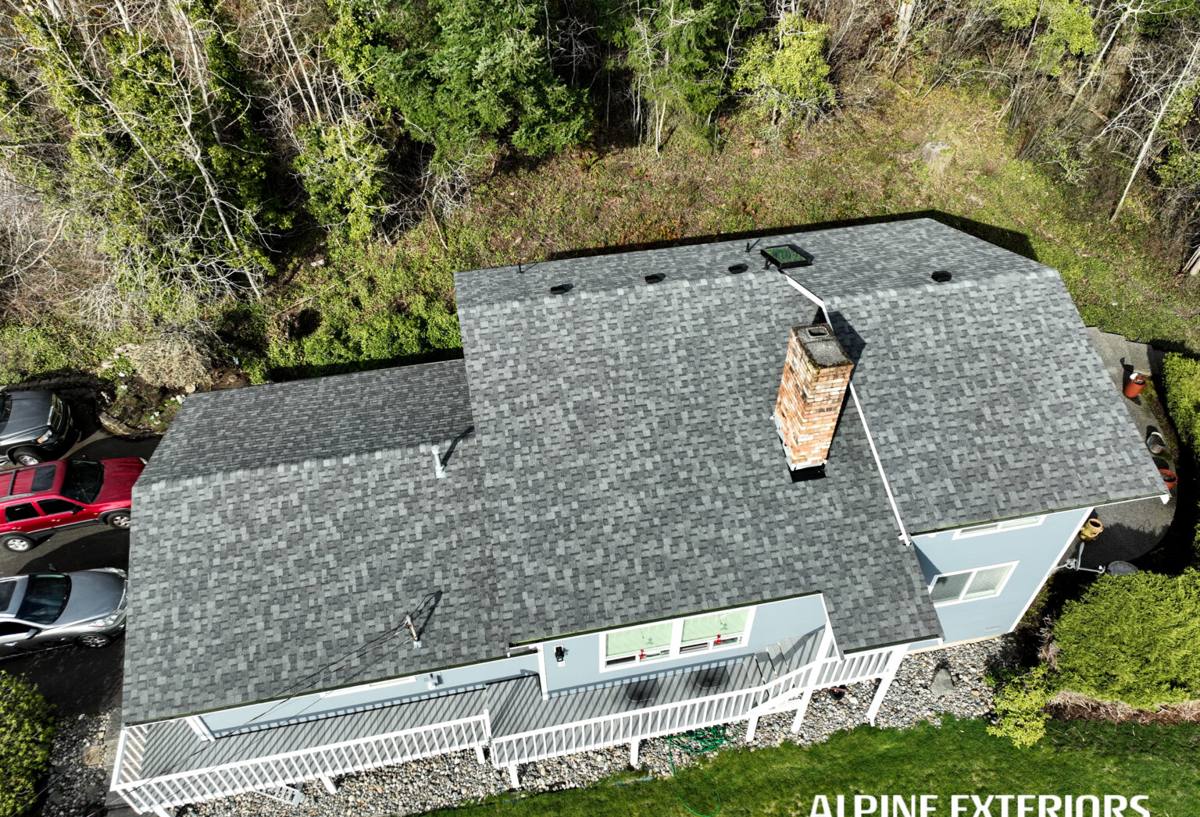
What UV, Wind, and Wind-Driven Rain Actually Do to a Roof
UV and Heat
Florida's sun degrades asphalt shingles from the top down. UV breaks down the asphalt binders and erodes the granules that protect it, which is why a roof that would last three decades in a cooler climate often shows real wear well before then here. Attic heat compounds the problem, cooking the underside of the decking and shortening the life of the underlayment.
Wind and Storm Cycles
Hillsborough County sees tropical systems and severe summer thunderstorms that bring gusts capable of lifting poorly fastened shingles or working flashing loose over time. It's rarely one dramatic event that fails a roof — it's the repeated cycle of wind stress, followed by rain finding whatever gap the wind opened.
Salt Air and Moisture
Plant City isn't beachfront, but salt-laden air moves well inland across the greater Tampa Bay region, and combined with the area's humidity it accelerates corrosion on metal fasteners, flashing, and vents. A roofing system that isn't specified with corrosion-resistant hardware for this region will show it in the metal components years before the shingles themselves fail.
Signs a Plant City Roof Needs Replacement, Not Another Patch
Not every roof problem calls for a full replacement, and a contractor who tells you otherwise without inspecting first isn't doing you any favors. That said, there are signs that patching is just delaying the inevitable:
- Granule loss heavy enough that you're finding shingle granules in gutters and downspouts regularly
- Shingles that are cupping, curling, or cracking across multiple sections of the roof, not just one isolated area
- Soft spots or sagging in the decking when walked, which usually means moisture has reached the wood
- Repeated leaks in different locations after past repairs — a sign the underlayment has broadly failed, not just one flashing point
- A roof approaching or past the 15–20 year mark for asphalt shingles in this climate, especially if it's never been inspected after a major storm
- Visible daylight through the attic decking, or consistent moisture/mold smell in the attic space
What a Correct Roof Replacement Involves
Full Tear-Off, Not a Layover
A proper replacement removes the existing roofing material down to the deck rather than layering new shingles over old. Covering problems up doesn't fix them, and it hides deck damage that needs to be addressed before new material goes down.
Deck Inspection and Repair
Once the old roof is off, the decking gets inspected for rot, delamination, or soft spots — common where old leaks went unnoticed. Any compromised sheathing should be replaced before anything else happens; skipping this step is one of the most common shortcuts that leads to early failure.
Underlayment and Water Barrier
Given how much wind-driven rain this region sees, the underlayment matters as much as the shingles on top of it. A synthetic or self-adhering underlayment at vulnerable points — eaves, valleys, penetrations — provides a real secondary water barrier if wind ever drives rain up under the shingle edge.
Flashing and Ventilation
Flashing around chimneys, skylights, and wall intersections is one of the most common leak points on any roof, and it's often reused or improperly resealed during cheaper replacements. New flashing, properly integrated with the underlayment, is standard on a correct job. Attic ventilation also gets evaluated — poor ventilation traps heat and moisture, which shortens the life of both the decking and the new shingles from underneath.
Choosing Materials for a Plant City Home
Most Plant City homes are well served by architectural asphalt shingles rated for high wind, but the right choice depends on the home, the budget, and how long the owner plans to stay in it. Here's how the common options compare for this climate:
| Material | Typical Lifespan Here | Wind Performance | Maintenance Considerations |
|---|---|---|---|
| 3-tab asphalt shingle | 12–18 years | Lower wind rating; more vulnerable to uplift | Lowest upfront cost, but shortest service life in this climate |
| Architectural (laminate) shingle | 18–25 years | Higher wind ratings available, often 130+ mph when properly installed | Best balance of cost and durability for most homes; the common recommendation |
| Metal roofing | 30–50 years | Excellent wind resistance when properly fastened | Higher upfront cost; fasteners and seams need quality hardware to resist salt-air corrosion |
| Tile (concrete or clay) | 30–50+ years | Good wind resistance but individual tiles can crack from impact or foot traffic | Heaviest option; requires structure rated for the load and careful underlayment work |
We install what fits the home and the homeowner's priorities, and we'll walk through the honest trade-offs of each rather than pushing whatever has the best margin. A shingle upgrade that isn't matched with proper underlayment and flashing work won't outperform a mid-grade shingle installed correctly.
Our Roof Replacement Process
1. Inspection and Written Estimate
We inspect the roof, deck, flashing points, and attic ventilation, then provide a written estimate that spells out material, scope, and price — not a verbal number that changes later.
2. Permitting
Roof replacements in Hillsborough County require a permit, and the work needs to meet current Florida Building Code wind-resistance requirements for this area. We handle the permitting and schedule the required inspections as part of the job, not as an afterthought.
3. Tear-Off and Installation
Most residential roof replacements are completed in a single day to a few days depending on size and complexity. We protect landscaping and gutters during tear-off, and haul away all old material — a Plant City property shouldn't be left with debris in the yard for a week.
4. Final Inspection and Walkthrough
After installation, the work is reviewed against code before final permit sign-off, and we walk the homeowner through what was done, the warranty coverage, and basic maintenance expectations.
Permits, Code, and Wind Mitigation
Florida's building code has gotten more specific about wind uplift resistance and secondary water barriers since the major hurricanes of the past couple decades, and Hillsborough County enforces those standards on every reroof permit. Beyond code compliance, a properly documented replacement can also support a wind mitigation inspection, which insurers use to determine windstorm premium discounts. Keeping the permit, inspection records, and manufacturer documentation from the job matters when it's time to file that paperwork with your insurance carrier.
Why Hiring a Crew That Already Works Plant City Matters
A contractor who works this area regularly already knows the county's permitting process, the inspectors, and the way local supply houses stock materials — which means fewer delays waiting on parts or paperwork. They've also seen how roofs in this specific climate actually fail over time, not just how a shingle performs on a spec sheet. That local pattern recognition is what catches a marginal deck or a ventilation problem before it becomes a callback.
What Drives Roof Replacement Cost
Every home is different, but the main cost drivers on a Plant City roof replacement are generally the same:
- Roof size and number of squares (100 sq ft units) to be covered
- Roof pitch and complexity — steep or heavily cut-up roofs take longer and cost more to work safely
- Material chosen — architectural shingle, metal, or tile carry different material and labor costs
- Extent of deck repair needed once the old roofing is removed
- Number of penetrations, valleys, and flashing points requiring detail work
- Layers of existing roofing to remove and dispose of
- Permit and inspection fees required by Hillsborough County
We don't quote a number without inspecting the roof first, because deck condition and complexity can shift the price meaningfully once the old material is off.
Protecting Your Investment After Installation
A new roof still needs basic upkeep in this climate. Keep gutters clear so water doesn't back up under the shingle edge, trim back overhanging limbs that drop debris or scrape shingles in wind, and have the roof looked at after any major storm rather than waiting for a leak to show up inside the house. A quick post-storm check is far cheaper than discovering damage months later.
If your Plant City roof is showing its age or you want a straight answer on whether repair or replacement makes sense, we're happy to take a look. Use the form below to request a free, no-pressure estimate.