 Tampa Roofing
 Roof Repair Built Around Plant City's Weather, Not a Generic Checklist
Plant City sits far enough inland from Tampa Bay that homeowners sometimes assume their roofs get an easier ride than houses closer to the water. In practice, the difference is smaller than people think. Hillsborough County as a whole takes the same hurricane-track exposure, the same summer thunderstorm cycle, and the same relentless UV load that the rest of the Tampa area deals with. What changes block to block is roof age, slope, ventilation setup, and how well past repairs were done — not whether the roof needs to be built to hold up.
We repair roofs in Plant City as part of our regular Tampa-area service area, not as a special trip. That matters more than it sounds like it should: a crew that's already worked nearby roofs knows what shingle lines, tile profiles, and underlayment generations are common in the area's housing stock, and that speeds up diagnosis instead of turning every repair into guesswork.
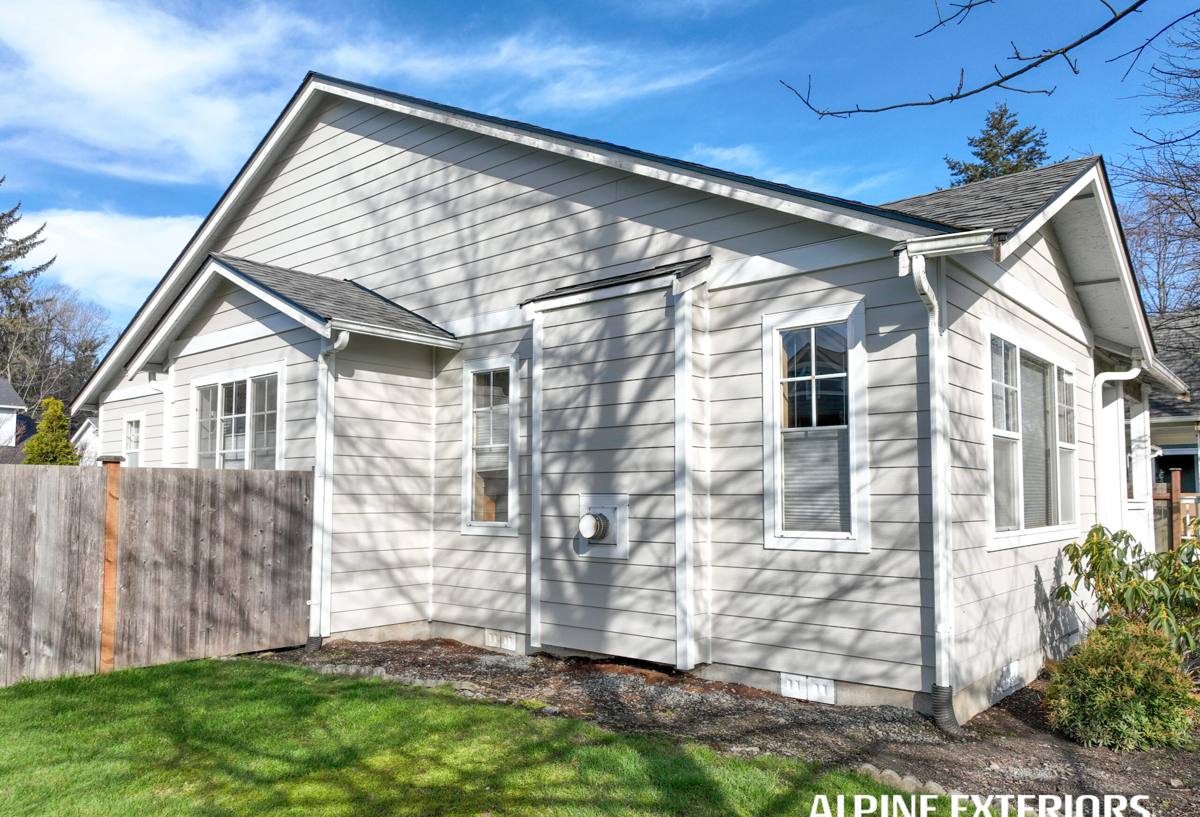
What Tampa-Area Climate Does to a Roof Over Time
Four things drive most of the repair calls we get from this part of Hillsborough County, and they compound each other:
- Hurricane-force wind events — even storms that don't make direct landfall nearby can produce gusts strong enough to lift shingle tabs, crack ridge tiles, or peel back flashing edges that were already marginal.
- Year-round intense UV — Florida sun bakes asphalt shingle oils out faster than in milder climates, leaving granules loose and the mat brittle years before a manufacturer's rated lifespan.
- Wind-driven rain — Tampa-area storms rarely fall straight down. Rain gets pushed sideways under ridge caps, around vent boots, and into any gap in flashing that wouldn't leak in a calmer climate.
- Salt air influence — even away from the immediate coastline, humid salt-laden air moving inland accelerates corrosion on exposed metal fasteners, flashing, and vent stacks.
None of these on its own destroys a roof overnight. Together, over several years, they turn small original defects — a slightly short flashing leg, an under-nailed shingle course, a pipe boot rubber that was never top-shelf — into active leaks. Repair work in this climate is as much about finding where the original installation was weakest as it is about patching whatever's visibly damaged today.
Common Roof Repair Issues We See on Plant City Homes
Shingle Roofs
Wind-lifted or missing tabs, cracked and curling shingles from UV exposure, granule loss exposing the asphalt mat, and nail pops where lumber has moved with humidity swings are the most frequent calls. Valley areas — where two roof planes meet and water concentrates — wear out disproportionately fast and are a common source of interior leaks that show up nowhere near where the water actually entered.
Tile Roofs
Tile itself is durable, but cracked or slipped tiles from wind or foot traffic (satellite installers, HVAC techs) expose the underlayment beneath, which is the part that's actually keeping water out. Underlayment failure on an older tile roof is one of the most common "surprise" findings during a repair — the tile looks fine from the ground, but the membrane underneath has degraded from decades of heat cycling.
Flashing and Penetrations
Chimney flashing, skylight curbs, plumbing vent boots, and roof-to-wall step flashing are where most active leaks originate, regardless of roof material. Rubber vent boot collars in particular have a shorter service life than the roofing around them and often need replacement mid-roof-life.
Soffit, Fascia, and Ventilation Damage
Wind and moisture intrusion at the roof edge can rot fascia boards and soften soffit panels, which in turn compromises the ventilation the attic needs to manage heat and humidity. Repair scopes that only address the roof deck and ignore this edge detail tend to have the problem resurface.
What a Correct Repair Actually Involves
A roof repair done right starts with finding the actual entry point, not just patching where the stain shows up on the ceiling. Water travels along rafters, decking seams, and underlayment laps before it drips somewhere visible, so the leak's source is often several feet from the interior damage.
- Diagnose from the roof, not just the attic. We look at flashing, penetrations, and shingle or tile condition around the suspected area before assuming the closest visible damage is the cause.
- Check the decking. If water has been getting in for a while, the plywood or OSB underneath may be soft or delaminated. Patching over compromised decking doesn't hold.
- Match materials appropriately. Repairs should tie into existing shingle or tile courses correctly, with proper overlap and fastening — not just sealant over a gap.
- Address the cause, not just the symptom. If under-nailing or missing wind clips caused the failure, we don't just replace the failed piece — we fix the installation defect that let it fail.
- Verify with a real inspection, not a guess. Before we call a repair complete, we confirm the fix by examining flashing seams and fastening, not just a visual glance from the ground.
Repair vs. Replacement: How We Help You Decide
Not every damaged roof needs full replacement, and not every leak is a cheap fix. The honest answer depends on roof age, how widespread the damage is, and what's underneath the surface layer.
| Factor | Leans Toward Repair | Leans Toward Replacement |
|---|---|---|
| Roof age | Under 10–12 years, or well-maintained older roof | Near or past the material's typical service life |
| Damage extent | Localized — one section, one penetration, isolated tiles | Widespread granule loss, multiple failed areas across the roof |
| Decking condition | Solid, dry decking under the damaged area | Soft, delaminated, or repeatedly wet decking |
| Storm history | Single event, isolated damage | Cumulative wind/hail damage across multiple past storms |
| Underlayment | Still intact and flexible | Brittle, torn, or original to a roof over 15–20 years old |
We'll tell you straight if a repair is throwing money at a roof that's near the end of its useful life — and we'll also tell you when a repair is the right call and replacement would be premature. That call should be based on what we actually find on your roof, not a sales target.
How Our Repair Process Works
- Inspection and diagnosis — we get on the roof (weather permitting) and physically trace the leak path rather than estimating from photos alone.
- Written scope and estimate — you get a clear explanation of what's damaged, why, and what the repair involves, in plain language.
- Repair work — materials matched to your existing roof where possible, proper flashing and fastening technique, decking replaced if compromised.
- Cleanup — old materials, nails, and debris removed from the property, not left in the yard or gutters.
- Follow-up — if something related to the repair comes up afterward, we address it.
What to Expect on Cost
Roof repair pricing varies widely based on what's actually wrong — a single vent boot replacement is a very different job from re-decking and re-flashing a valley. Broadly, minor repairs (a handful of shingles, one flashing point) tend to run in the low hundreds of dollars, while larger repairs involving decking replacement or multiple problem areas can run into the low thousands. We give you a firm number after inspection, not a phone-quote guess.
Why a Crew Already Working Plant City Matters
Roof repair quality depends heavily on whether the crew understands the housing stock they're working on. A contractor who regularly works Hillsborough County roofs recognizes common builder-grade shingle lines, typical tile profiles used in the area, and the underlayment generations that tend to show up in homes of a given age. That familiarity shortens diagnosis time and reduces the chance of a repair that looks right but doesn't actually solve the water intrusion problem.
Being local also means we're not driving in from across the metro for a callback if something needs a second look after a storm. Same crew, same standards, no relearning your roof from scratch.
Simple Maintenance Checks Between Repairs
- Look at your roofline from the ground after any strong wind event for lifted or missing shingles/tiles.
- Check ceilings and attic spaces for new stains or musty smells, especially after heavy rain.
- Keep gutters clear so water isn't backing up under the roof edge.
- Have flashing and pipe boots inspected every couple of years — they wear out faster than the roofing material around them.
- Trim back tree limbs that overhang the roof to reduce debris buildup and abrasion damage.
If you're dealing with a leak, storm damage, or just want an honest read on where your roof stands, we're happy to come take a look. The estimate is free, there's no pressure to sign anything on the spot, and you'll get a straight answer about what your roof actually needs.