 Tampa Roofing
 Windows Built for Plant City's Climate, Not Just Its Curb Appeal
Plant City sits inland from Tampa Bay, which means it dodges a bit of the direct salt spray that coastal Hillsborough County neighborhoods deal with, but it still takes the full brunt of everything else Central Florida throws at a house. Long, humid summers. Intense UV exposure nearly year-round. Sudden afternoon thunderstorms with wind-driven rain. And when a tropical system tracks through the region, hurricane-force gusts that test every seam, frame, and pane in a home's exterior. Windows here aren't just an aesthetic upgrade — they're one of the hardest-working components of the building envelope.
When we talk about "custom windows" for a Plant City home, we mean windows sized, engineered, and specified for that specific house: its openings, its orientation to the sun, its exposure category under Florida's wind-load rules, and the homeowner's priorities, whether that's energy savings, noise reduction, storm protection, or simply replacing tired, leaky units that have outlived their seals.
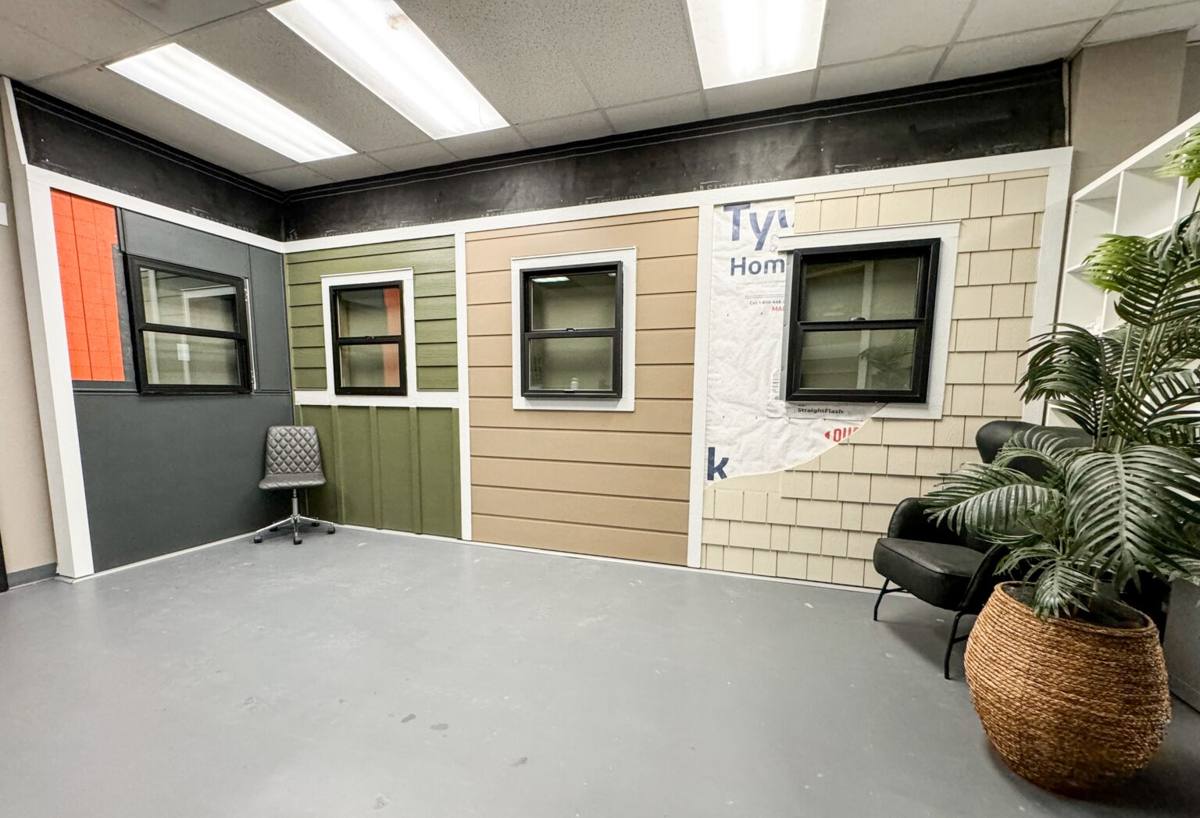
What Plant City Homes Actually Need From Their Windows
Heat and UV Load
Florida summers push west- and south-facing windows hard. Cheap glass lets in radiant heat that overworks HVAC systems and fades flooring, furniture, and window treatments over time. Low-E coatings and the right tint package matter more here than in most parts of the country — not as an upsell, but as a practical way to keep energy bills and interior fading in check.
Wind and Pressure Resistance
Hillsborough County follows Florida Building Code wind-load requirements, and Plant City properties are no exception. Even homes outside the immediate coastal high-velocity hurricane zones need windows rated for the wind speeds and pressures assigned to their specific site and exposure. A window that isn't rated correctly for its location is a liability during storm season, full stop.
Humidity and Moisture Management
Central Florida humidity doesn't let up for months at a time. Poorly flashed or improperly sealed windows invite moisture into wall cavities, which leads to wood rot, mold, and damaged drywall long before a homeowner notices a visible leak. Correct installation — not just a good window — is what actually keeps water out.
Storm Debris and Impact Events
Wind-driven rain during thunderstorms and tropical systems can drive small debris into glass at surprising speed. Impact-rated glass or a paired shutter system reduces the risk of a broken pane turning into a bigger problem — pressurization loss inside the home, which can stress the roof structure during a hurricane.
Choosing the Right Window Type for This Area
There's no single "best" window for Plant City — the right choice depends on the home's age, orientation, budget, and how much the homeowner wants to invest in storm protection versus relying on shutters or panels during active storms. Here's how the common options stack up for this climate:
| Window Type | Strengths in This Climate | Trade-Offs |
|---|---|---|
| Impact-rated (laminated glass) | Stays intact under impact, blocks UV, reduces noise, no shutters needed | Higher upfront cost; heavier units require solid framing |
| Standard dual-pane, code-rated | Lower cost, good energy performance with Low-E coatings | Needs separate shutters or panels for storm protection |
| Single-hung vinyl | Affordable, low maintenance, decent seal life | Fewer high-end finish options; frame can flex on very large openings |
| Aluminum-frame | Strong, slim sightlines, handles heat well when properly thermally broken | Can conduct more heat without a thermal break; higher cost for quality units |
| Casement/awning | Very tight seal when cranked shut, good for hard-to-reach spots | Operating hardware needs periodic maintenance in humid air |
Most Plant City projects we scope end up mixing approaches — impact glass on street-facing or storm-exposed elevations, standard code-rated windows paired with existing shutter systems elsewhere, based on what makes sense for the budget and the home's exposure.
What a Correct Custom Window Job Actually Involves
"Custom" doesn't just mean special-order glass. It means the entire installation is engineered around the specific opening and the specific building. A correct job includes:
- Precise measurement of each opening, accounting for out-of-square framing common in older homes
- Verification of wind-load and impact rating requirements for the property's location and exposure category
- Removal of the old unit without damaging surrounding stucco, siding, or interior trim
- Inspection of the rough opening for hidden water damage or rot before the new window goes in
- Correct flashing and sealant sequencing so water sheds outward, not into the wall cavity
- Proper shimming and fastening per the manufacturer's installation instructions and the window's product approval
- Interior and exterior finish work that matches the home's existing trim and paint lines
- A final inspection and, where required, permit sign-off from Hillsborough County or the City of Plant City
Skipping any of these steps is how a "window replacement" turns into a moisture problem two years later. The window itself is only part of the equation — installation quality is what determines whether it performs the way it's rated to.
Permits and Local Code Considerations
Window replacement in Plant City generally requires a permit, since it affects the structural opening and the building's wind-load envelope. Depending on the scope of the project and whether the work falls under the City of Plant City's jurisdiction or unincorporated Hillsborough County, the permitting process and inspection requirements can differ slightly. A contractor who regularly works in this specific area already knows which office to file with, what documentation the inspector will want to see, and how to avoid delays that come from submitting the wrong paperwork the first time.
Every window installed also needs to carry the correct Florida Product Approval (NOA or state approval number) matching its rated performance for the site. This isn't paperwork for paperwork's sake — it's the record that ties the specific window product to the wind and impact rating it's supposed to deliver.
Our Process for a Plant City Window Project
1. On-Site Assessment
We walk the property, measure every opening that's part of the scope, and note anything unusual — settling, prior water intrusion, non-standard opening sizes, or trim details that need to be matched.
2. Product Selection
Based on the home's orientation, budget, and how much storm protection the homeowner wants built into the glass versus handled separately, we walk through frame material, glass package, and rating options honestly — including what we'd choose for our own home in that spot.
3. Permitting
We handle the permit application and coordinate inspections with the appropriate local office, so the homeowner isn't the one chasing down approvals.
4. Installation
Old units come out carefully, openings get inspected and repaired if needed, and new windows go in following manufacturer specs and code requirements — not shortcuts.
5. Final Walkthrough
We check operation, seals, and finish work with the homeowner before calling the job done, and make sure any inspection sign-offs are completed.
Signs a Plant City Home Needs Window Attention Now
- Visible condensation or fogging between panes (a sign the seal has failed)
- Windows that are difficult to open, close, or lock properly
- Drafts or noticeable temperature differences near the window frame
- Soft or discolored trim or drywall around the window opening
- Rooms that feel noticeably hotter during peak summer sun exposure
- Visible gaps, cracked caulk, or daylight showing around the frame
- Windows original to a home built before current wind-load code updates
Any one of these on its own might not be urgent, but a home showing several of them is usually due for a real evaluation rather than a caulk-and-patch fix.
Why It Matters to Hire a Crew That Already Works This Area
A contractor who regularly works in Plant City and the surrounding Hillsborough County communities already understands the local permitting process, the wind-load requirements tied to the area's exposure classifications, and the kind of construction common in the neighborhood's housing stock — from older frame homes to newer builds. That familiarity shows up in fewer surprises during the project: correct permit submissions the first time, realistic timelines that account for local inspection scheduling, and installation decisions that reflect what actually holds up here rather than a one-size-fits-all national approach.
It also matters for accountability. A crew based in and around the Tampa area is reachable if a question comes up after the job is done, whether that's a warranty question or a follow-up on how a window is performing through its first storm season.
Get a Straight Answer for Your Home
Every home in Plant City has its own mix of sun exposure, age, and construction details, so the right window plan looks a little different for each one. If you're weighing a full replacement, a partial upgrade, or just want an honest read on whether your current windows are holding up the way they should, we're happy to take a look. Fill out the form below for a free, no-pressure estimate.