 Tampa Roofing
 Seminole Heights Homes Face a Specific Set of Problems
Seminole Heights is one of Tampa's older residential neighborhoods, and that matters when you're talking about siding. A lot of the housing stock here is bungalow-era construction with additions, garages, and outbuildings tacked on over the decades — different eras, different materials, different levels of moisture protection behind the walls. Whatever goes back up on these homes has to hold up to the same brutal Hillsborough County climate as a brand-new build, but it also has to work with an older wall assembly that wasn't engineered with today's wind and moisture standards in mind.
Tampa's climate doesn't cut anyone slack. Hurricane-force wind events test how well siding is actually fastened down, not just what the box says it's rated for. Year-round UV breaks down pigments and surface coatings faster than in most of the country. Wind-driven rain during summer storms pushes water sideways into laps and joints that a calmer climate would never test. And because Seminole Heights sits close enough to Tampa Bay, salt-laden air is a slow, steady corrosive presence on anything metal or organic. Siding here isn't cosmetic — it's the first line of defense for the wall behind it.
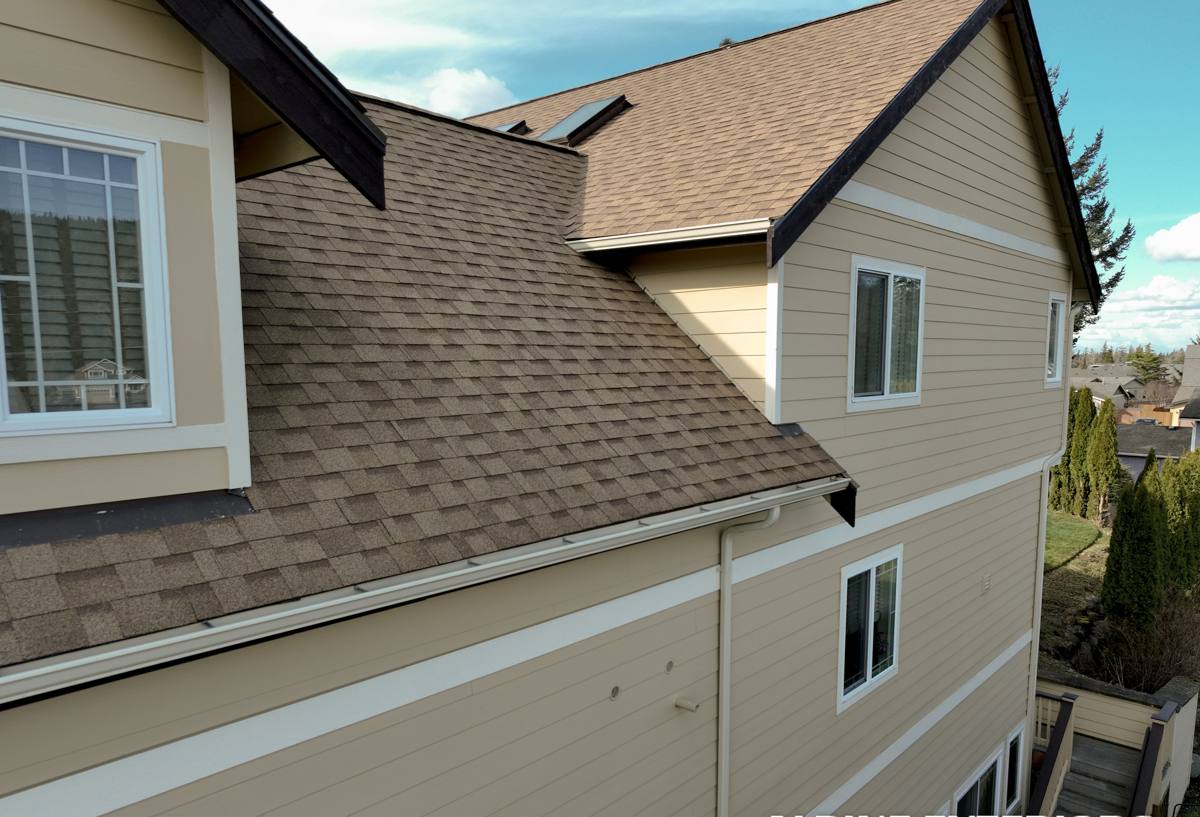
Why We Install Only James Hardie
We don't carry vinyl, LP SmartSide, Cemplank, Allura, or wood siding — not because those products don't have a place in the market, but because we made a call about what we're willing to put our name on in this climate. Vinyl softens and warps under sustained heat and can crack in wind events. Engineered wood products rely on treated wood strand cores that are more sensitive to sustained moisture exposure than fiber cement, and coastal humidity plus wind-driven rain is exactly the kind of sustained moisture exposure Tampa delivers for months at a time. Other fiber cement brands may perform reasonably well, but we standardized on one product line so our crews install it the same correct way every time, and so our warranty backing is consistent from job to job.
James Hardie's fiber cement is non-combustible, doesn't support pest activity, and holds a factory-baked ColorPlus finish that's formulated to resist Florida UV fade better than field-applied paint. For a neighborhood like Seminole Heights, where a lot of homes have real architectural character worth preserving, Hardie's lap and shingle profiles also let us match a traditional bungalow look without falling back on a product we don't trust in this climate.
HZ5 Engineering: Built for This Climate, Not a National Average
James Hardie makes region-specific formulations under what they call their HZ (HardieZone) system. Hillsborough County falls in the HZ5 zone, which is engineered around exactly the conditions Tampa deals with — high humidity, heavy seasonal rainfall, and moisture cycling. That's different from the HZ10 formulation used in colder, drier climates further north. Installing the correct zone product isn't a minor detail; it's the difference between a siding system designed for our actual weather and one that's just close enough to pass casual inspection.
What a Correct Installation Actually Involves
Fiber cement siding is only as good as the installation behind it. A rushed or shortcut Hardie job can fail in ways that have nothing to do with the material itself — poor flashing, wrong fastener spacing, or panels nailed too tight are common culprits. On a Seminole Heights home, where you're often tying new siding into older framing, trim, and window details, getting these details right matters even more.
- Correct clearance between the bottom of the siding and the ground, roofline, and any hard surfaces (per Hardie's published installation instructions)
- Properly lapped and sealed house wrap or weather-resistive barrier underneath, with attention to any older sheathing that's been exposed to past moisture
- Flashing integrated at every window, door, and roof intersection — not caulk used as a substitute for flashing
- Corrosion-resistant fasteners driven flush, not overdriven, and spaced to the manufacturer's wind-zone specification
- Joints and butt seams properly gapped and sealed to allow for expansion without trapping water
- Field-cut edges sealed or primed where required so raw fiber cement isn't left exposed to weather
Skip any one of these and you can end up with a wall that looks fine for a year or two and then starts showing streaking, cupping, or moisture damage at the seams — especially after a season of wind-driven rain coming off Tampa Bay.
Our Process for a Seminole Heights Siding Job
1. Inspection and Scope
We start by walking the exterior and, where accessible, checking the condition of the sheathing and framing underneath the existing siding. On older Seminole Heights homes this step matters — you want to know before demo starts whether there's rot, old moisture damage, or wiring/plumbing penetrations that need addressing, not after the crew has already opened up the wall.
2. Removal and Substrate Prep
Old siding comes off, and we assess and repair any damaged sheathing or framing before anything new goes up. This is also when we address flashing details around windows, doors, and any roof-to-wall intersections that need correction.
3. Weather Barrier and Flashing
A new weather-resistive barrier goes on correctly lapped, with flashing tied in at every penetration. This layer is what actually keeps wind-driven rain out of the wall cavity — the siding itself is the second line of defense, not the only one.
4. Hardie Installation
Panels or lap siding go up to Hardie's published specifications for our wind zone, with correct fastener type, spacing, and clearances. We keep the reveal lines straight and consistent, which matters aesthetically on a bungalow where symmetry and trim detail are part of the house's character.
5. Trim, Caulking, and Final Walkthrough
Trim boards, corner details, and caulking get finished last, followed by a walkthrough where we point out what was done and answer questions before calling the job complete.
Cost Factors for a Seminole Heights Siding Project
Every home is different, and we're not going to throw out a number that doesn't mean anything until we've actually looked at your house. What we can tell you is what tends to move the price up or down on jobs like this in this neighborhood.
| Factor | Why It Matters |
|---|---|
| Substrate condition | Rot or old moisture damage found during tear-off means repair work before new siding can go on |
| Home size and architectural detail | Bungalow trim work, gables, and dormers take more labor than a plain wall |
| Siding profile | Lap siding vs. shingle-style panels affects material cost and install time |
| Finish choice | Factory ColorPlus finish costs more upfront than primed panels but eliminates a paint job |
| Site access | Tight lots, mature landscaping, or close neighboring structures common in older neighborhoods can slow staging and removal |
| Existing flashing and window condition | Older window and door flashing sometimes needs correction as part of the job, not just siding swap |
Factory Finish vs. Field-Painted Siding
One of the reasons we lean on Hardie's ColorPlus finish rather than primed siding that gets painted on site is durability under exactly the conditions Seminole Heights sees. A factory-applied finish is baked on and warranted separately for its color performance, which matters a great deal under Tampa's year-round UV exposure. Field paint, applied on site, depends heavily on weather conditions during application and tends to need touch-up or a full repaint years before a factory finish shows comparable wear. For homeowners who want a specific custom color that isn't in the ColorPlus line, primed Hardie board is still an option — you just take on the maintenance schedule of field-applied paint in exchange for that flexibility.
Why a Crew That Already Works This Neighborhood Matters
Seminole Heights isn't a cookie-cutter subdivision. Lot sizes, setbacks, older framing dimensions, and a mix of renovation eras mean a contractor who's used to production-home siding can run into surprises here that slow the job down or get missed entirely. A crew that's worked this neighborhood before knows to check for the kind of older sheathing and flashing conditions common to homes of this vintage, has a feel for matching trim details that keep a bungalow looking like a bungalow, and isn't guessing at how the local permitting and inspection process works for exterior work in Hillsborough County. That familiarity translates into fewer surprises mid-project and a finished job that actually fits the house.
Signs It's Time to Talk About Siding
- Visible cracking, warping, or separation at seams and corners
- Soft or spongy spots when pressed, especially near the bottom of walls or under windows
- Paint that's peeling or bubbling repeatedly in the same spots
- Water staining or streaking that reappears after cleaning
- Rising energy bills that coincide with visible siding gaps or damage
- Visible pest activity or soft trim boards near ground level
None of these guarantee full replacement is needed, but they're worth having looked at before the next storm season rather than after.
If you're weighing siding options for a home in Seminole Heights, we're happy to walk the exterior with you, look at what's actually going on with your current siding, and give you a straight answer about what it would take to do the job right. Reach out for a free, no-pressure estimate using the form below.