 Tampa Roofing
 Seminole Heights Siding Has a Harder Job Than Most
Seminole Heights is one of Tampa's older, established neighborhoods — a mix of early-to-mid-century bungalow-style homes and newer infill construction, most of it sitting close to mature tree canopy and within a few miles of Tampa Bay. That combination puts real stress on exterior siding. Between the humidity, the tree cover holding moisture against walls, and the storm exposure that comes with living in Hillsborough County, siding here ages faster than it would in a drier, more sheltered climate.
Four things do most of the damage over time: intense year-round UV that breaks down pigments and surface coatings, wind-driven rain that gets forced sideways into seams and laps during storms, hurricane-force wind events that test every fastener and joint at once, and salt-laden air moving inland off the bay that accelerates corrosion and finish breakdown. None of these are occasional problems in Tampa — they're the baseline conditions your siding lives in every single year.
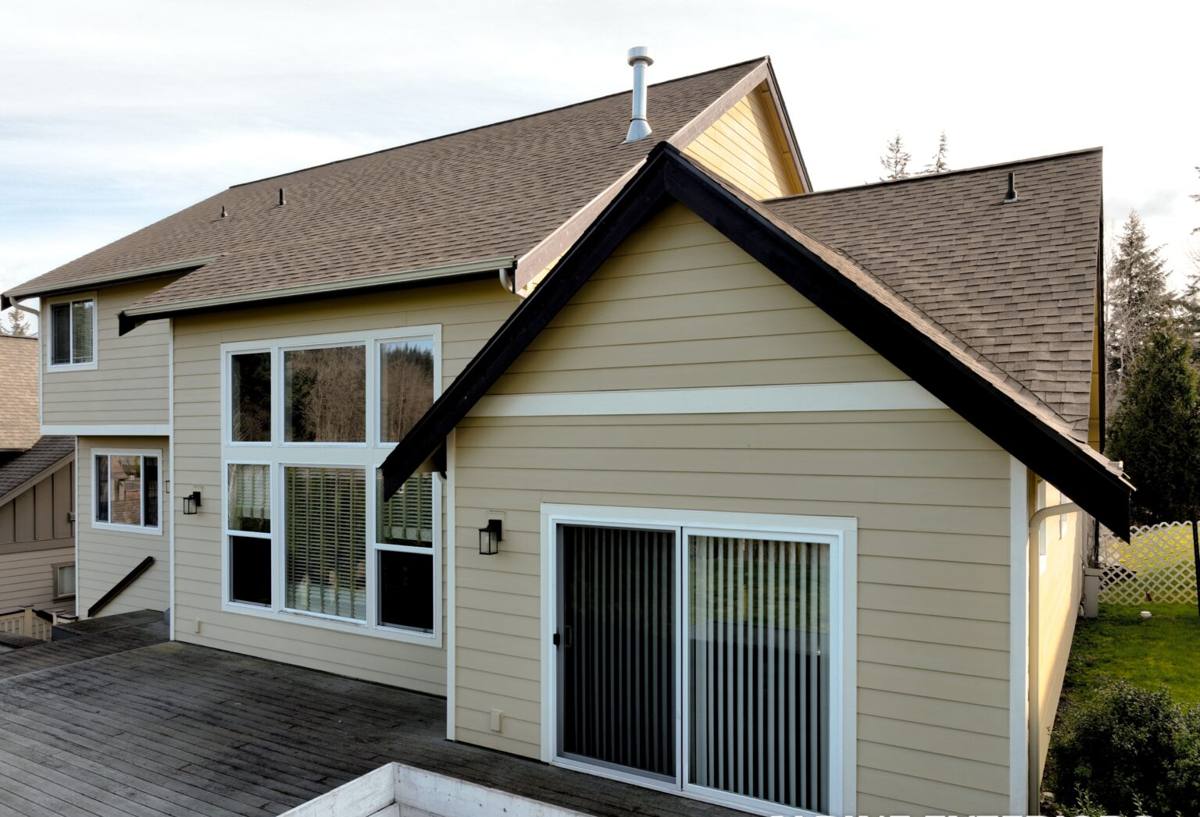
What Seminole Heights Homes Actually Need From Their Siding
Older homes with real wall assemblies to protect
A lot of Seminole Heights housing predates modern building codes, which means original wall framing, sheathing, and moisture management weren't built to today's standards. When we replace siding on a home like this, we're not just swapping the outer skin — we're often the first line of defense standing between decades-old wall framing and Florida's climate. That makes the water-management details behind the siding at least as important as the siding itself.
Newer infill homes need it done right the first time
Newer construction in the neighborhood tends to have better sheathing and house wrap already in place, but that doesn't mean siding failure isn't a risk — it just shifts the risk to installation quality. Gaps in flashing, wrong fastener patterns, or panels installed too tight to the ground are common ways a newer home's siding underperforms long before it should.
Curb appeal that matches the neighborhood's character
Seminole Heights has a strong sense of neighborhood identity, and homeowners here generally want siding that looks intentional — clean lines, real shadow lines, colors that hold up — rather than something that reads as an obvious vinyl retrofit on an older home.
Why We Install Only James Hardie Fiber Cement
We get asked regularly why we don't offer vinyl siding, LP SmartSide, cedar, primed spruce, or other fiber cement brands like Cemplank or Allura. It's not that these products have no merit — some of them are reasonable choices in the right climate and budget. It's that after years of working on homes in this exact climate, we standardized on one product system because it consistently holds up where others don't.
- Vinyl can soften, warp, or blow off in high wind, and it fades and becomes brittle under sustained UV exposure — both are common conditions here, not rare ones.
- Wood products (cedar, primed spruce, engineered wood like LP SmartSide) are vulnerable to moisture intrusion, rot, and pest damage in a humid, rain-heavy climate, and they require an ongoing maintenance commitment most homeowners underestimate.
- Other fiber cement brands use similar base materials to James Hardie but don't offer the same climate-specific engineering, factory finish warranty, or track record of consistent quality control we've seen from Hardie's HZ product lines.
James Hardie fiber cement is non-combustible, dimensionally stable in heat and humidity swings, and comes with a factory-applied ColorPlus finish that's engineered to resist fading from UV exposure far longer than field-applied paint. It's also backed by a strong transferable warranty — which matters if you sell the home. For a Tampa climate with hurricane wind, constant sun, and salt air, it's the product we're willing to put our name behind.
What a Correct Siding Replacement Actually Involves
Siding replacement done right is a system, not a single product. Skipping any layer of that system is how homeowners end up with siding that looks fine for a year or two and then starts failing from behind.
Full tear-off, not a cover-over
We remove the existing siding down to the sheathing rather than installing new siding over old. That's the only way to actually inspect what's underneath and catch rot, hidden moisture damage, or failed sheathing before it's sealed up behind new material for another 20-plus years.
Moisture barrier and flashing details
A correctly installed weather-resistant barrier, properly lapped and taped, plus correct flashing at windows, doors, and any wall penetrations, is what actually keeps wind-driven rain out during a storm. This is the step that gets rushed on low-quality jobs and is almost always where leaks trace back to later.
Manufacturer-spec fastening
James Hardie has specific fastener types, spacing, and clearance requirements for wind zones like ours. Following that spec — not a generic contractor's shortcut — is what keeps panels attached during hurricane-force gusts and what keeps the manufacturer's warranty valid if something ever does go wrong.
Proper clearances and finishing
Correct ground clearance, kick-out flashing at roof-to-wall intersections, and sealed joints at trim and corners all prevent the slow water intrusion that causes rot behind the wall — problems that often don't show up until they're expensive to fix.
Our Siding Replacement Process
- On-site inspection — we assess the current siding, sheathing condition, and any problem areas specific to your home before quoting anything.
- Written scope and product selection — you'll know exactly which James Hardie line, profile, and color is going on the house, and why it fits your home.
- Tear-off and substrate inspection — old siding comes off, and we address any rot or sheathing damage found underneath before moving forward.
- Weather barrier and flashing installation — the unglamorous part that determines whether the job holds up in a storm.
- Hardie panel installation to manufacturer spec — correct fastening, spacing, and clearances for our wind zone.
- Final trim, caulking, and cleanup — a finished look and a fully sealed exterior.
- Walkthrough — we go over the finished work with you before calling the job done.
Material Comparison for This Climate
| Material | Wind performance | Moisture/rot risk | UV/fade resistance | Maintenance |
|---|---|---|---|---|
| Vinyl siding | Can crack, warp, or blow off in high gusts | Low rot risk, but traps moisture behind panels if installed poorly | Fades and becomes brittle over time | Low, but limited lifespan in intense sun |
| Cedar/primed wood | Moderate, depends on fastening | High — needs sealing and regular upkeep | Requires repainting/staining on a cycle | High, ongoing |
| LP SmartSide (engineered wood) | Moderate to good | Sensitive to sustained moisture exposure at joints and edges | Factory finish fades over time | Moderate |
| James Hardie fiber cement | Engineered for high-wind zones when installed to spec | Very low — won't rot, resists moisture damage | ColorPlus factory finish holds color far longer | Low |
Cost Factors on a Seminole Heights Home
Every home is different, but the same handful of factors drive the price up or down on most siding replacement projects in this neighborhood:
| Factor | Why it matters |
|---|---|
| Home size and wall area | More square footage of siding directly increases material and labor cost. |
| Number of existing siding layers | Multiple layers (common on older homes) mean more tear-off labor before installation can start. |
| Sheathing/substrate condition | Rot or water damage found during tear-off adds repair scope before new siding goes on. |
| Home style and trim complexity | Bungalow-style homes with detailed trim, dormers, or multiple gables take more time than a simple rectangular elevation. |
| James Hardie product line | Standard HZ products vs. specialty profiles or finishes carry different material costs. |
| Access and site conditions | Mature landscaping, tight lot lines, or limited driveway access can affect labor time. |
We give a specific number after seeing the home, not a phone estimate — too many of these factors can't be judged accurately without a walk-around.
Why a Crew That Already Works Seminole Heights Matters
Contractors who regularly work this neighborhood already understand the mix of older and newer housing stock, the local permitting process through the City of Tampa and Hillsborough County, and the practical realities of working around mature trees and tighter lots. If your home falls within a designated historic area, there may be additional design guidelines to account for — a crew unfamiliar with the neighborhood may not think to check before ordering material or starting demo.
Local experience also means faster response if a storm damages siding mid-project or if unexpected rot is found during tear-off — decisions get made on-site instead of over a series of delayed phone calls with an out-of-area office.
What to look for when vetting a siding contractor
- Manufacturer-specific installation training, not just general carpentry experience
- A written scope that names the exact product line, not just "Hardie siding"
- Willingness to explain what's happening behind the siding, not just what color it'll be
- Proper licensing and insurance for work in Hillsborough County
- A clear answer on how tear-off debris and unexpected sheathing repairs are handled
- References or completed work you can actually see, not just renderings
Living With Your New Siding
One of the practical advantages of fiber cement is how little it asks of you afterward. There's no annual staining or sealing schedule like wood siding requires, and the factory finish means you're not repainting the whole house every few years just to keep it looking fresh. An occasional rinse to clear off pollen, salt residue, or storm debris is typically all it needs. If storm damage does occur, individual panels can usually be repaired or replaced without redoing the whole elevation — something that's much harder to do cleanly with vinyl.
If your Seminole Heights home's siding is showing its age — fading, warping, soft spots, or storm damage — we're happy to take a look and walk you through what we're seeing and what it would take to fix it right. There's no pressure and no obligation; just fill out the form below to schedule a free estimate.