 Tampa Roofing
 Siding in Plant City: What the Local Climate Demands
Plant City sits inland from Tampa Bay, but "inland" doesn't mean protected. Homes here still take the full brunt of Hillsborough County's weather cycle: long stretches of intense UV and heat, heavy summer humidity, hurricane-force wind events, and the wind-driven rain that comes with tropical systems moving through the region. Add in the salt-laden air that drifts well inland from the Gulf and Tampa Bay during storms and onshore flow, and you have a combination that is genuinely hard on exterior building materials over time.
Siding on a Plant City home isn't decorative trim — it's the first line of defense for the wall assembly behind it. When it fails, it usually doesn't fail loudly. It fails quietly, through small gaps, cracked caulk lines, or warped panels that let moisture behind the cladding long before anyone notices a problem from the curb.
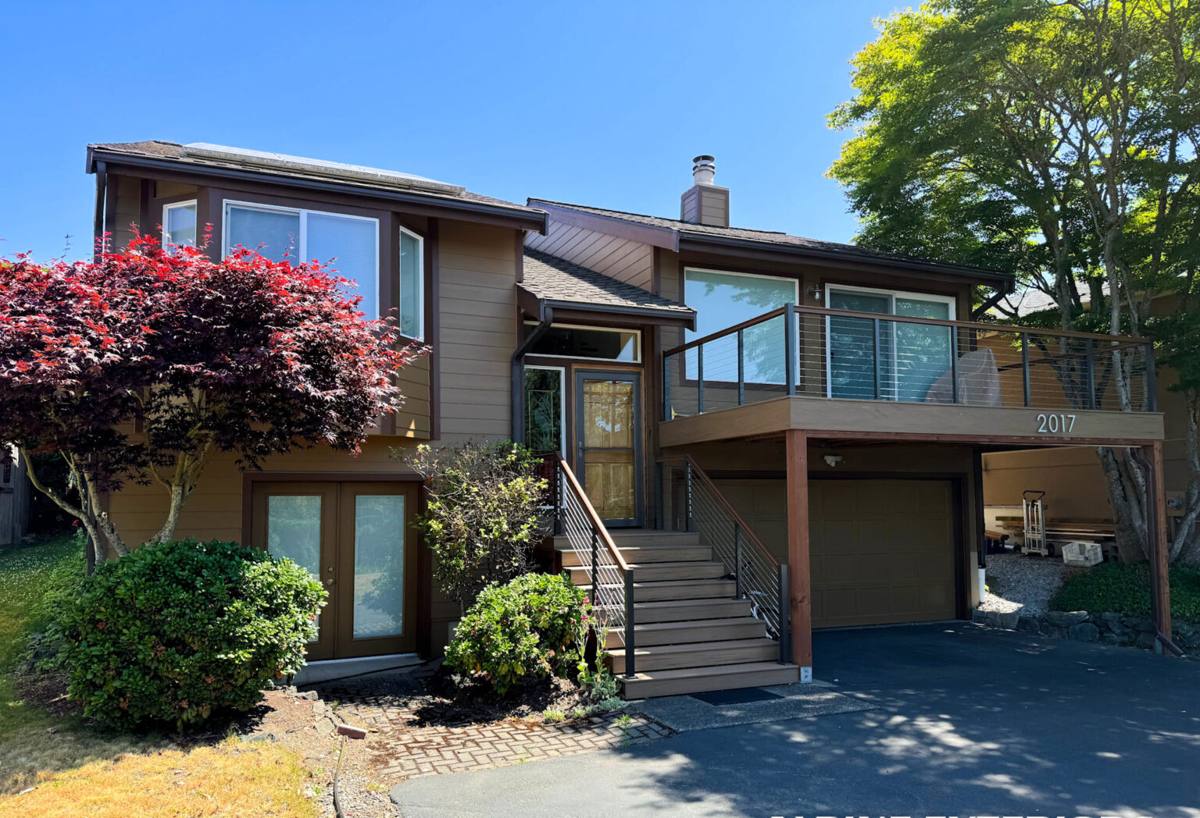
Why We Install Only James Hardie Fiber Cement
We made a deliberate decision as a company to install James Hardie fiber cement siding exclusively. We don't install vinyl, LP SmartSide, Cemplank, Allura, or wood siding like primed spruce or cedar. That's not a marketing position — it's a standard we hold because of what we've seen these materials do, and not do, in Florida's climate over the long run.
Vinyl softens and can warp in sustained high heat, and it's more vulnerable to cracking on wind-blown debris impact during storms. Wood-based products like LP SmartSide and untreated cedar or spruce depend heavily on an unbroken factory or field-applied coating to resist moisture; once that coating is compromised at a cut edge, a fastener hole, or a scratch, the wood substrate underneath can swell, rot, or delaminate — and Florida's humidity gives that process every opportunity it needs. Fiber cement alternatives to James Hardie exist, but James Hardie is the manufacturer that has spent the most time engineering specific product lines for high-moisture, high-UV, hurricane-prone climates, and backing them with a strong transferable warranty.
Fiber cement itself is non-combustible, doesn't attract termites, and holds its shape and paint finish far longer than wood-based or vinyl alternatives when it's installed correctly. That last part — installed correctly — is doing a lot of work in that sentence, and we'll get to why.
The Right James Hardie System for This Region
James Hardie doesn't sell one generic siding product across the whole country. The company engineers its HardieZone system around regional climate zones, and Hillsborough County falls into the HZ5 zone — the category built for hot, humid, storm-exposed Gulf Coast and Southeastern conditions.
HZ5 products use a formulation and factory finish designed to resist moisture absorption and hold up under intense, near-constant UV exposure without the chalking, fading, or cracking that a generic siding product would show after a few Florida summers. Paired with ColorPlus Technology — Hardie's factory-applied, baked-on finish — the siding holds color consistency far longer than a job-site paint application would, and it resists the peeling and touch-up cycle that plagues field-painted siding in this climate.
For a Plant City home, that engineering matters in a very practical way: it's the difference between siding that still looks and performs like new after a decade of Florida summers and hurricane seasons, and siding that needs recaulking, repainting, or panel replacement within a few years.
Product Lines We Work With
- HardiePlank lap siding — the most common choice for Plant City homes, available in multiple textures and exposures
- HardieShingle — for homes wanting a shingle-style accent look without the maintenance of real wood shakes
- HardiePanel — vertical panel siding, often used for board-and-batten style accents or modern facades
- HardieTrim — matching trim boards that avoid the moisture problems of wood trim at corners, windows, and fascia
What Correct Installation Actually Involves
James Hardie siding is only as good as the installation behind it. The material is engineered to perform, but every warranty claim we've seen fail traces back to installation shortcuts, not the product itself. In a climate like ours, a handful of details separate a job that lasts decades from one that causes problems in a few years.
Fastening
Hardie specifies fastener type, spacing, and placement for a reason — in high-wind zones like ours, under-fastened or improperly placed nails are one of the most common causes of panel blow-off during storms. Fasteners also need to be corrosion-resistant, since humidity and salt air accelerate corrosion on the wrong hardware over time.
Clearances and Gaps
Hardie siding needs proper clearance from rooflines, decks, and grade, and correct gapping at butt joints to allow for the material's minor expansion and contraction. Installers who treat fiber cement like it can be butted tight the way some other materials can end up creating stress points that crack over time.
Flashing and the Water-Resistive Barrier
The siding itself is the visible layer, but the weather-resistive barrier and flashing details behind it are what actually keep wind-driven rain out of the wall assembly during a tropical storm or hurricane's leading rain bands. Every penetration — windows, doors, hose bibs, vents — needs to be flashed and integrated with the barrier correctly, not just caulked over.
Caulking and Paint Touch-Up
Cut edges and fastener heads need proper sealing and touch-up paint matched to the ColorPlus finish. Skipping this step is a common shortcut that leads to localized moisture intrusion at seams long before the rest of the siding shows any wear.
Common Installation Mistakes We See
| Mistake | Why It Matters in This Climate |
|---|---|
| Under-fastening or wrong fastener spacing | Increases risk of panel loss in hurricane-force wind events |
| No gap at butt joints | Creates stress cracking as material shifts with heat and humidity swings |
| Skipping or poorly lapping the weather-resistive barrier | Lets wind-driven rain reach the wall sheathing during tropical storms |
| Unsealed cut edges | Exposes raw fiber cement to moisture, undermining the factory finish |
| Ignoring manufacturer clearance specs at grade and roofline | Traps moisture against the bottom edge of panels, accelerating wear |
Our Process, Start to Finish
1. On-Site Assessment
We look at the existing siding or cladding, the condition of the sheathing underneath where accessible, and any problem areas — moisture staining, soft spots, or prior repair patches — before we quote anything.
2. Tear-Off and Prep
Old siding comes off, and we inspect and address the substrate underneath. This is the point where hidden moisture damage from a prior installation often surfaces, and it needs to be resolved before new siding goes on, not covered up.
3. Weather Barrier and Flashing
A new or repaired weather-resistive barrier goes on with correctly lapped seams and integrated flashing at every window, door, and penetration.
4. Hardie Installation to Manufacturer Spec
Panels go up following James Hardie's published fastening schedule, clearance requirements, and joint treatment — not a generalized approach borrowed from another siding material.
5. Final Detailing and Walkthrough
Trim, caulking, and touch-up paint get finished, and we walk the job with the homeowner before calling it complete.
Cost Factors to Understand
Every Plant City home is different, so we don't quote off square footage alone. These are the main variables that move the number:
| Factor | Why It Affects Cost |
|---|---|
| Tear-off condition | Rotted sheathing or hidden moisture damage found during tear-off adds repair scope |
| Product line and profile | HardiePlank, HardieShingle, and HardiePanel carry different material and labor requirements |
| Home height and roofline complexity | More stories, gables, and cutouts mean more labor and detail work |
| Trim scope | Full HardieTrim replacement adds cost versus reusing sound existing trim |
| Color and finish selection | Factory ColorPlus finishes vary slightly in cost versus primed-for-paint options |
Caring for Your Siding After Installation
James Hardie siding installed to spec is low-maintenance, not no-maintenance. A little attention keeps it performing for the long haul in this climate:
- Rinse the siding periodically to clear pollen, salt residue, and grime buildup
- Inspect caulk lines at joints and trim once a year for cracking or gaps
- Trim back landscaping so it isn't holding moisture against the siding
- After any major storm, walk the exterior and check for cracked panels or loosened trim
- Address any touch-up paint needs promptly at cut edges or minor impact damage
Why Hire a Crew That Already Works in Plant City
Hillsborough County's permitting requirements, wind-load standards, and inspection expectations aren't identical to every county in Florida, and a crew that regularly works this area already knows what local inspectors look for and how to detail a job so it passes the first time. Beyond permitting, a contractor who has installed siding on other homes in and around Plant City has a working sense of how the area's mix of older and newer construction responds to fiber cement installation — where extra prep is usually needed, and where a standard approach is enough.
Hiring locally also means accountability. A crew based in the Tampa area is going to be around next year and the year after if a warranty question or a storm-related concern comes up — not a name from out of the area that's harder to reach once the job is done.
If you're weighing a siding project on a Plant City home, we're happy to take a look and give you a straightforward, no-pressure estimate — just fill out the form below to get started.