 Tampa Roofing
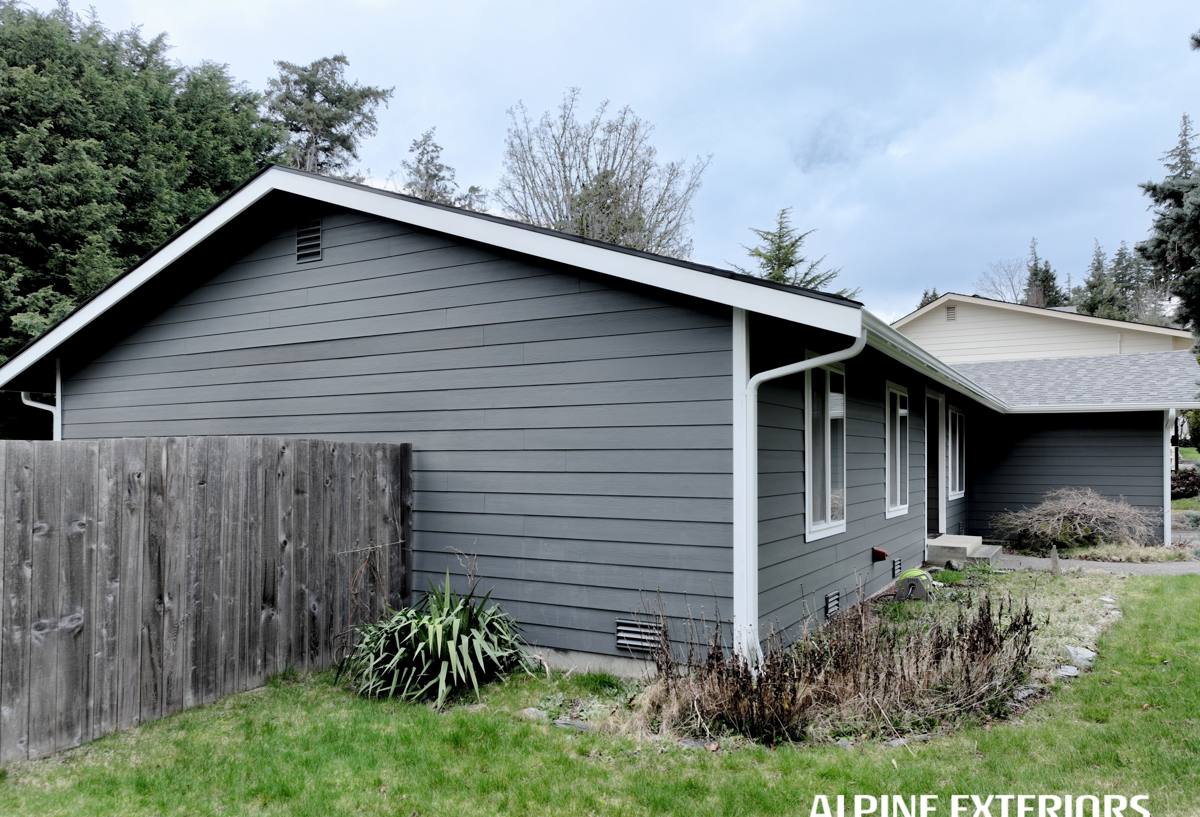
 Siding Installation in Plant City, Florida
Plant City sits in eastern Hillsborough County, far enough inland to escape direct coastal surge but close enough to Tampa Bay to still catch tropical storm bands, sustained humidity, and the kind of wind-driven rain that finds every gap in a poorly installed exterior. Homes here range from older farmhouse-style construction to newer subdivisions, and siding on both takes a real beating year after year: hurricane-force gusts during storm season, intense UV exposure nearly every day of the year, and moisture that never really lets up. Siding installation in this area isn't a cosmetic project — it's a functional upgrade to how the house handles water, wind, and heat.
This page covers what siding installation specifically means for a Plant City home: what the climate demands, what a correct install actually involves, how our process works, and why we install one product system — James Hardie fiber cement — instead of offering a menu of options.
What Plant City's Climate Demands From Siding
Wind
Hillsborough County sits in a wind-borne debris region under the Florida Building Code, and Plant City's inland location doesn't exempt it from high-wind design requirements. Siding that isn't fastened, spaced, and flashed to spec doesn't just look bad after a storm — it can peel, crack, or blow off entirely, exposing the house wrap and sheathing underneath to whatever rain follows.
UV exposure
Florida sun is relentless nearly twelve months a year. Siding materials that rely on surface paint or a thin factory coating tend to chalk, fade unevenly, or become brittle well before a Northern climate would show the same wear. Any product going on a Plant City home needs a finish engineered for sustained UV, not just resistant to it.
Wind-driven rain and humidity
Even away from the coast, tropical systems push rain sideways, and Plant City's humid subtropical climate keeps moisture levels high most of the year. Siding that traps water behind it — through poor flashing, tight caulked joints instead of proper clearances, or a product prone to swelling — sets up rot, mold, and pest problems that show up long after installation day.
Salt air
Plant City is inland, so salt exposure is lighter than it is on the beaches, but Tampa Bay is close enough that salt-laden air still reaches this area during onshore wind events. Over years, that adds a slow corrosive element to fasteners, trim, and any material that isn't built to shrug it off.
What a Correct Siding Installation Actually Involves
A siding job is only as good as what's underneath it and how it's fastened. The visible plank or panel is the last five percent of the work — the parts nobody sees are what determine whether the siding lasts fifteen years or fifty.
- Removal of old siding down to the sheathing, with an inspection for rot, water damage, or pest activity before anything new goes up
- Repair or replacement of any compromised sheathing — new siding over bad substrate just hides a bigger problem
- A continuous, correctly lapped weather-resistive barrier (house wrap) installed per manufacturer instructions, not just stapled up quickly
- Proper flashing at every window, door, roofline, and penetration — this is where most water intrusion actually starts
- Correct starter strip installation so the first course sits true and sheds water properly
- Manufacturer-specified fastener type, spacing, and penetration depth — not "close enough," since under-driven or over-driven fasteners are a leading cause of premature siding failure
- Proper clearances at grade, roof lines, and butt joints so the siding can expand, contract, and drain instead of trapping water
- Caulking only where the manufacturer calls for it — over-caulking joints that should breathe is a common mistake that causes moisture problems later
Our Process for a Plant City Siding Installation
1. On-site inspection and assessment
We walk the exterior, check the current siding and sheathing condition, look for existing moisture damage, and talk through what the house actually needs — not a generic package.
2. Detailed estimate
You get a clear scope of work and pricing before anything is scheduled, including what's being removed, repaired, and installed.
3. Tear-off and substrate repair
Old siding comes off, sheathing gets inspected, and any rot or damage is repaired before the new system goes on. This step gets skipped by crews trying to move fast — we don't skip it.
4. Weather barrier and flashing
A correctly lapped house wrap and full flashing package go in first. This is the layer that actually keeps water out even if something eventually happens to the siding face itself.
5. James Hardie installation to manufacturer spec
Planks or panels go up with the fastener pattern, clearances, and joint treatment James Hardie specifies for Florida's wind zone requirements — not a generalized approach used everywhere in the country.
6. Final walkthrough and cleanup
We check the finished install against the plan, clean the site, and go over care and warranty details with you directly.
Why We Install James Hardie — and Only James Hardie
We get asked regularly why we don't offer vinyl, LP SmartSide, or other fiber cement brands. The honest answer is that we standardized on one product system because it's the one we trust to perform in this climate without asking homeowners to gamble on installation quality or long-term maintenance.
Built for wind and heat
James Hardie's HZ5 product line is engineered specifically for hot, humid climates like Florida's — including moisture and impact performance suited to hurricane-prone regions. That's not marketing language we invented; it's the reason the HZ5 formulation exists as a distinct product from Hardie's other regional lines.
Non-combustible
Fiber cement doesn't burn, warp, or provide fuel the way some wood-based or engineered wood siding products can under sustained heat exposure — a real consideration for a state with intense summer sun and occasional wildfire risk further inland.
ColorPlus factory finish
Rather than relying on field-applied paint that has to fight Florida UV from day one, Hardie's ColorPlus technology bakes a finish onto the board at the factory under controlled conditions, which holds color and resists fading longer than most site-applied paint jobs.
A warranty backed by the manufacturer
James Hardie backs its siding with a transferable limited warranty — an asset for resale, not just a promise on install day.
Siding Material Comparison
| Factor | Vinyl Siding | Wood / LP SmartSide | James Hardie Fiber Cement |
|---|---|---|---|
| Wind performance | Can crack or blow off in high gusts | Moderate, fastener-dependent | Engineered for high-wind regions (HZ5) |
| Moisture behavior | Doesn't rot, but can trap moisture behind it | Vulnerable to swelling and rot if compromised | Resists moisture-related damage when installed to spec |
| UV / fade resistance | Can fade and become brittle over time | Field paint fades and needs repainting | Factory-baked ColorPlus finish resists fading |
| Combustibility | Can melt or deform under heat | Combustible | Non-combustible |
| Maintenance | Low, but limited repair options | Regular repainting and moisture checks | Occasional caulk/paint touch-up per manufacturer guidance |
Signs a Plant City Home Needs New Siding
- Visible warping, buckling, or gaps between siding sections
- Cracking or splitting, especially after storm season
- Fading or chalking that doesn't respond to washing
- Soft spots or discoloration near the base of walls, window trim, or rooflines
- Rising energy bills that suggest the wall assembly is no longer sealing properly
- Siding that's original to a home built more than 20 years ago
Why Hiring a Crew That Already Works in Plant City Matters
Siding installation done right depends on details that don't show up in a sales pitch: knowing the wind zone and fastening requirements that apply under Hillsborough County's adoption of the Florida Building Code, understanding how local humidity affects sequencing and cure times, and having already worked through the area's permitting process. A crew unfamiliar with this region can install a product correctly on paper and still miss the local specifics that determine whether it holds up through the next storm season.
Working regularly in and around Plant City also means we're not guessing about how a house here behaves through a Florida summer and hurricane season back to back — we've already seen what holds up and what doesn't.
What to Expect on Cost
Siding installation pricing depends on the size of the home, the condition of the existing sheathing, how much repair work is needed before installation, and the specific James Hardie product and finish selected. Homes with hidden moisture damage under the old siding will cost more to bring up to a proper substrate than homes where the sheathing is sound. We don't quote a number without walking the property first, because a fair estimate has to reflect what your specific home actually needs.
If your Plant City home's siding is showing its age or didn't survive the last storm season well, we'll come take a look and give you a straightforward, no-pressure estimate — use the form below to get started.