 Tampa Roofing
 Storm Damage Roof Repair for Clearwater Homes
Clearwater sits right in the path of everything the Gulf and the greater Tampa Bay region can throw at a roof — tropical storms and hurricane-force wind events, sudden downpours that come in sideways, and long stretches of intense sun in between. A roof out here doesn't get damaged all at once. It gets weakened storm by storm, then fails during the one storm that finally finds the weak spot. Storm damage repair done right isn't just patching what's visibly broken; it's finding what the wind and water already loosened before it turns into a bigger, more expensive problem.
This page is about one thing: repairing storm-damaged roofs on homes in and around Clearwater. Not a general overview of roofing, not a sales pitch — a straight explanation of what local storms do to roofs, what a correct repair looks like, and how we handle the job from the first call to the final walkthrough.
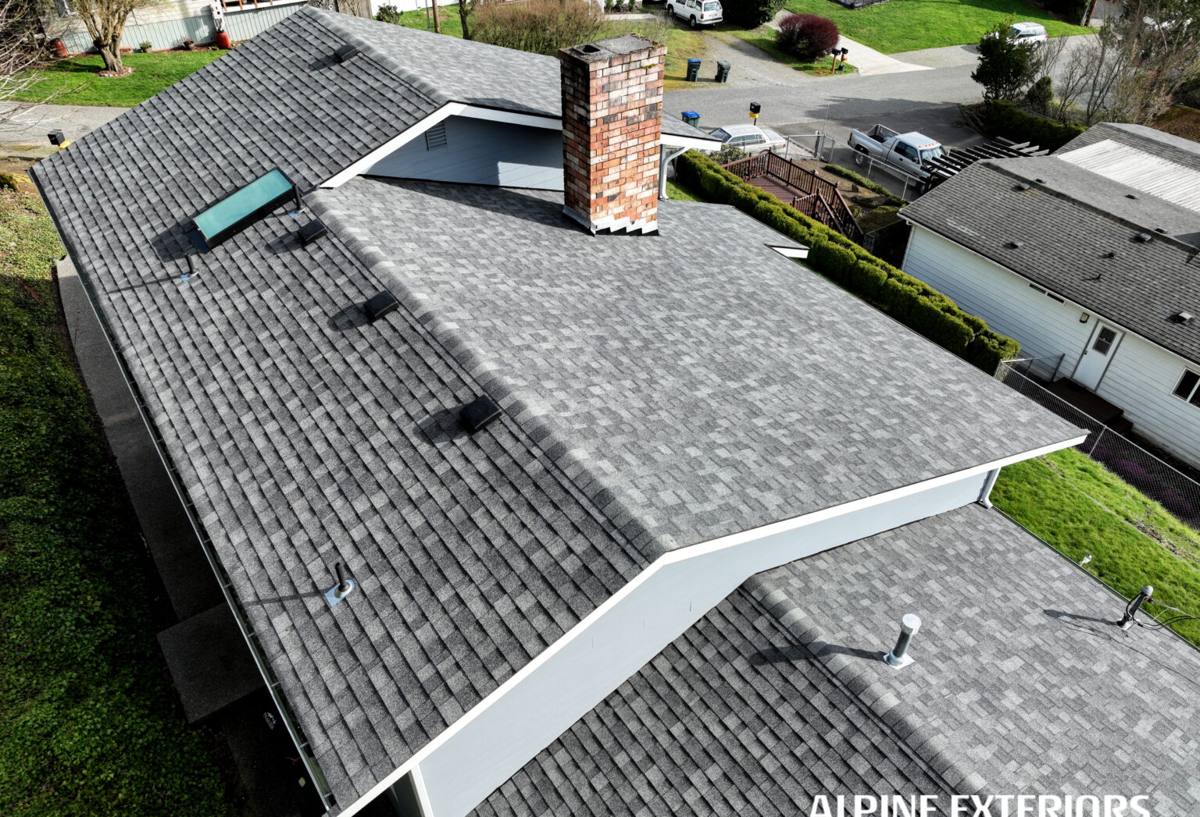
What Tampa Bay Weather Actually Does to a Roof
Every roofing material sold today is rated to handle wind and rain. What most ratings don't account for is what happens after years of repeated exposure in a coastal, subtropical climate like ours. A few things are always working against a Clearwater roof at the same time:
- Hurricane and tropical-storm wind: Sustained high winds and gusts get up under shingle tabs, flashing edges, and ridge caps. A roof can survive one storm looking fine and still have dozens of fasteners backed out or seals broken that only show up as a leak weeks later.
- Wind-driven rain: When rain comes in nearly horizontal, it doesn't run off the way it's designed to. It gets pushed up under shingles, around vents, and into any gap in the flashing — which is why storm leaks often show up far from where the actual damage is.
- Year-round, high-intensity UV: Constant sun exposure dries out asphalt shingles and breaks down sealant strips faster than in cooler climates. A roof that's already UV-brittle is much more likely to crack or tear in the next windstorm instead of flexing.
- Salt air: Being close to the Gulf means metal flashing, fasteners, vents, and drip edge corrode faster than they would inland. Corroded metal is one of the most common hidden causes of a "mystery leak" after a storm.
None of these factors act alone. UV brittleness makes wind damage worse. Salt-corroded fasteners make wind uplift worse. That's why storm damage repair in this area has to account for the roof's overall condition, not just the storm that just came through.
Common Storm Damage We Find on Clearwater Roofs
Wind Damage
Lifted or missing shingles, creased shingle tabs, and torn ridge caps are the most visible signs. Less visible: shingles that got lifted and reset by the wind, which breaks the factory seal without leaving an obvious gap. Those look fine from the ground and fail during the next rain.
Flashing and Penetration Damage
Flashing around chimneys, skylights, vent pipes, and roof-to-wall transitions is where storm leaks most often start. Wind can loosen flashing without removing it, so it still looks intact but no longer sheds water correctly.
Granule Loss and Impact Damage
Heavy wind-driven rain and debris strip the protective granules off asphalt shingles. Bare spots accelerate UV breakdown and reduce the shingle's remaining service life even where there's no active leak yet.
Soffit, Fascia, and Ventilation Damage
Wind can pull soffit panels loose or crack fascia boards, which lets wind-driven rain into the attic space from the roof edge rather than the roof field. This is frequently overlooked in a quick post-storm inspection.
Underlayment and Decking Issues
If water has been getting under shingles for any length of time, the underlayment and the wood decking beneath it can be compromised even when the shingles themselves look repairable. This is the damage that turns a simple patch job into a larger repair if it's missed.
What a Correct Storm Repair Actually Involves
A storm repair that's done right is more than swapping out a few shingles. Here's what should happen on any legitimate repair:
- Full-roof inspection, not just the damaged section. Wind damage is rarely limited to one spot — we check the whole roof plane, not just where the homeowner saw a leak.
- Decking and underlayment check. Damaged shingles get pulled back or removed so we can see whether the deck underneath is dry, sound, and still nailed properly.
- Matching materials. Shingles fade with UV exposure, so an exact color match isn't always possible on an older roof — we're upfront about that before work starts rather than after.
- Flashing and sealant work. Any flashing that was disturbed gets re-secured or replaced, not just caulked over.
- Fastener check. Wind-loosened nails get replaced correctly rather than just driven back in, which doesn't restore the original hold.
- Ventilation check. Damaged soffit or ridge vents get addressed so the attic keeps venting correctly — skipping this shortens the life of the whole repair.
- Cleanup and debris removal. Nails, torn shingle pieces, and granules get cleared from the roof, gutters, and yard.
Our Process, Start to Finish
| Step | What Happens |
|---|---|
| 1. Initial call | We talk through what happened, when the storm hit, and what you're seeing — active leak, missing shingles, visible debris damage, etc. |
| 2. On-site inspection | We walk the roof (not just look from the ground) and photograph the actual damage, including anything that isn't obvious from inside the house. |
| 3. Written scope and estimate | You get a clear, itemized explanation of what needs to be repaired, what materials we'll use, and an honest price range — no vague allowances. |
| 4. Temporary protection if needed | If there's an active leak or exposed decking, we address that first so the interior of the home isn't taking on more water while repairs are scheduled. |
| 5. Repair work | Materials removed and inspected, deck repaired if needed, new materials installed to match the surrounding roof as closely as possible. |
| 6. Final walkthrough | We show you what was done and answer questions before we consider the job complete. |
Repair or Replace? How We Make the Call Honestly
Not every storm-damaged roof needs a full replacement, and not every roof can be safely patched. We base the recommendation on the roof's actual condition, not on which job is bigger.
| Factor | Leans Toward Repair | Leans Toward Replacement |
|---|---|---|
| Roof age | Roof is well within its expected lifespan | Roof is already near or past its expected service life |
| Extent of damage | Damage is limited to one section or a few isolated spots | Damage is spread across multiple roof planes |
| Decking condition | Deck is dry and structurally sound | Deck shows rot, soft spots, or repeated past water intrusion |
| Shingle condition elsewhere | Remaining shingles are still flexible and well-sealed | Remaining shingles are brittle, curling, or heavily granule-stripped from UV exposure |
| Insurance findings | Adjuster confirms localized, storm-specific damage | Adjuster or inspection finds damage tied to overall wear plus storm impact |
We'll tell you plainly if a repair is the right call, and we'll tell you plainly if it isn't — patching a roof that's structurally past its useful life just delays a bigger expense and doesn't hold up in the next storm.
Working With Your Insurance Claim
We're not a public adjuster and we don't handle the claim for you, but we do the parts that are ours to do well: thorough photo documentation of storm-specific damage, a clear written scope of work, and straightforward answers if your adjuster has questions about what we found on the roof. Keeping documentation of the damage from as soon after the storm as possible makes the whole claims process smoother, whichever contractor you end up hiring.
Materials for Storm Repairs in a Coastal Climate
What we use to repair a storm-damaged section should hold up under the same conditions that caused the damage in the first place. That means corrosion-resistant flashing and fasteners given the salt air, and shingle products with a wind rating appropriate for our storm exposure — not just whatever matches on price. We'll walk you through the specific product options for your roof rather than assuming one answer fits every home; roof age, existing materials, and HOA or association requirements in some Clearwater neighborhoods can all affect what makes sense.
Why It Matters That We Already Work in Clearwater
A crew that regularly works roofs in this part of the Tampa Bay area knows what local wind exposure and salt air actually do over time, not just what a spec sheet says. That matters in a few concrete ways:
- Faster response after a storm — being local means we're not driving in from across the region when demand for repairs spikes after a weather event.
- Familiarity with local permitting — storm repairs above certain thresholds require permits, and knowing the local process avoids delays.
- Realistic material recommendations — we're specifying materials based on what actually holds up in coastal, high-UV conditions here, not a generic climate assumption.
- Accountability — we're not a storm-chasing crew that shows up after a hurricane and is gone by next season. We're doing repairs we'll stand behind because we're still here.
What to Do Right After a Storm
How you handle the first day or two after storm damage affects both the repair and any insurance claim. A short, practical checklist:
- Do not get on the roof yourself, especially with wet or wind-damaged shingles — it's not worth the fall risk.
- Photograph any visible damage from the ground, and any interior leaks or water stains, as soon as it's safe to do so.
- Note the date and approximate time of the storm for your records and any insurance claim.
- Cover an active interior leak with a container or tarp to limit water damage while repairs are scheduled.
- Avoid signing a contract or full payment agreement with anyone who shows up unsolicited door-to-door right after a storm.
- Call a local roofer for an inspection promptly — even damage that isn't leaking yet can worsen quickly with the next rain.
If your roof took a hit in a recent storm — or you're just not sure whether what you're seeing is normal wear or storm damage — we're happy to take a look. Fill out the form below for a free, no-pressure estimate on storm damage roof repair for your Clearwater home.