 Tampa Roofing
 Why Window Installation in Lutz Requires More Than a Standard Approach
Lutz sits in the northern reach of Hillsborough County, close enough to Tampa Bay to feel its humidity and salt-laden air, and squarely inside a region that takes a direct hit from hurricane-force winds on a regular cycle. Homes here also spend most of the year under intense, nearly overhead UV exposure, with afternoon storms that drive rain sideways into window openings. None of that is unique to any one neighborhood, but it does mean a window installation in Lutz has to solve for wind pressure, water intrusion, and material fatigue all at once, not just "put a new window where the old one was."
A lot of window problems we get called out to fix didn't start as bad windows. They started as bad installs — a unit that was the right product, set into an opening that wasn't properly flashed or sealed. Once wind-driven rain finds a gap, it doesn't dry out fast in this climate, and rot, mold, and stucco damage follow. Getting the installation right the first time matters more here than in drier, calmer parts of the country.
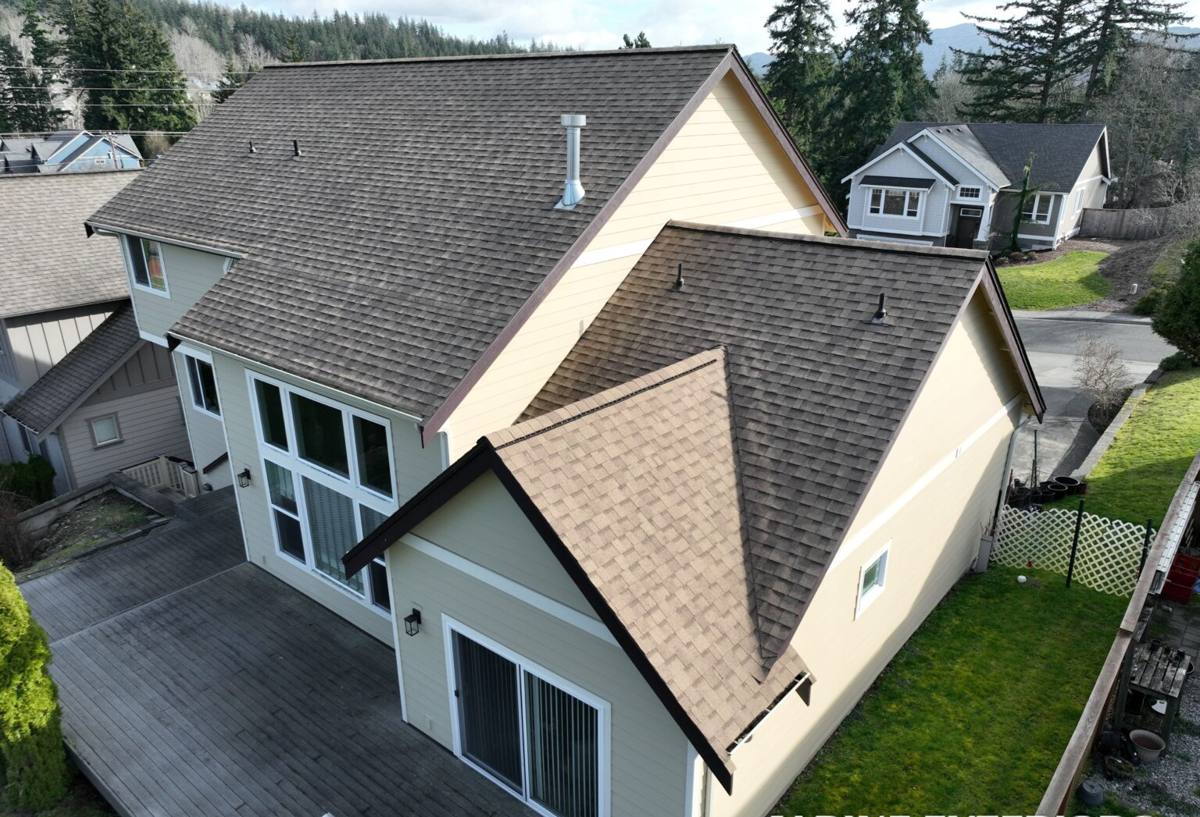
What Hillsborough County's Climate Actually Does to Windows
Wind and Pressure Cycling
Even outside of a direct hurricane strike, Tampa-area homes see repeated wind-loading events every storm season. Windows and their surrounding seals flex under that pressure cycle after cycle. A weak install — thin fasteners, missing shims, inadequate anchoring into the framing — loosens over time and eventually leaks or fails outright during a real event.
UV and Heat
Central Florida sun is hard on vinyl, seals, and low-e coatings. Cheap or older window products chalk, discolor, and lose seal integrity years before their rated lifespan. Glass package selection matters as much as frame material when the sun is this consistent.
Humidity and Salt Air
Lutz isn't oceanfront, but it's close enough to the Bay that airborne salt and near-constant humidity accelerate corrosion on hardware, fasteners, and lower-grade metal components. Moisture that gets behind a window frame doesn't evaporate quickly, which is why proper flashing and drainage paths are non-negotiable, not optional upgrades.
What a Correct Window Installation Involves
Opening Prep and Removal
Before a new window goes in, the old one comes out cleanly and the rough opening gets inspected — not just for size, but for hidden water damage, soft wood, or compromised stucco and sheathing around the frame. Skipping this step is the single most common shortcut that leads to callbacks.
Flashing and Water Management
Proper flashing directs any water that gets past the window itself back out and away from the wall assembly. This is the part that's invisible once the job is finished, and it's also the part that determines whether the wall behind your window is dry in five years or rotting.
Anchoring for Wind Load
Fastener type, spacing, and embedment into structural framing all have to match the window's design pressure rating. A window rated for high wind loads only performs that way if it's anchored the way the manufacturer's engineering calls for — an installer who eyeballs it isn't giving you the rating on the label.
Sealant and Insulation
Backer rod and sealant around the frame close the gap between window and opening without trapping moisture. Spray foam has its place, but overfilling a window cavity can bow the frame and cause it to operate poorly — another detail that separates a careful install from a rushed one.
Impact-Rated Windows vs. Standard Windows with Shutters
Hillsborough County is not part of Florida's official High-Velocity Hurricane Zone (that designation applies to Miami-Dade and Broward), but local building code still requires windows to meet wind-borne debris protection — either through impact-rated glass or a separate shuttering system. Homeowners in Lutz generally choose between two approaches:
| Factor | Impact-Rated Windows | Standard Windows + Shutters |
|---|---|---|
| Upfront cost | Higher per window | Lower window cost, added shutter cost |
| Storm prep effort | None — always protected | Shutters must be installed before each storm |
| Daily noise/UV reduction | Better, even on calm days | No benefit outside storm events |
| Insurance considerations | Often eligible for discounts | Varies by shutter type and coverage |
| Maintenance | Glass and frame only | Shutter hardware and tracks need upkeep too |
Neither option is wrong. It comes down to budget, how much you want to think about storm prep, and whether you value the everyday noise and UV benefits impact glass provides even when there's no storm in the forecast.
Choosing a Frame Material for This Climate
Frame material affects how a window holds up to years of heat cycling and humidity, not just how it looks on day one.
- Vinyl — resists corrosion and doesn't need painting, but quality varies a lot between manufacturers; look for UV-stabilized formulations built for hot climates.
- Aluminum — strong and slim-profile, historically common in Florida, but it conducts heat and can corrode near salt air over time if not properly finished.
- Fiberglass — dimensionally stable across temperature swings and holds paint well, generally at a higher price point than vinyl.
We'll talk through the honest trade-offs for your specific home rather than pushing one material as universally "best" — the right call depends on your budget, your home's style, and how long you plan to own it.
How Our Installation Process Works
- On-site assessment of existing openings, framing condition, and any signs of prior water intrusion.
- Product and glass package recommendation based on the home's exposure, orientation, and your budget.
- Accurate measurement and ordering — rushed measurements are a common source of gaps and callbacks.
- Careful removal of old units and inspection of the rough opening before anything new goes in.
- Installation following manufacturer specs for anchoring, flashing, and sealing — matched to the wind design pressure required for your address.
- Interior and exterior finish work so the new window looks like it belongs, not like it was dropped in.
- Final walkthrough and operation check on every window before we consider the job done.
Permits and Inspections in Hillsborough County
Window replacement in unincorporated Hillsborough County, which includes Lutz, requires a permit and inspection in almost all cases — this isn't a job where skipping paperwork saves you anything but risk. A permitted job means an independent inspector confirms the install meets current wind and code requirements, which protects you at resale and with your insurer. Any contractor who suggests skipping the permit on a full window replacement is cutting a corner you'll be the one accountable for later.
Signs Your Current Windows Need Attention
- Fogging or moisture between panes of double-pane glass — the seal has failed and it won't clear up.
- Visible daylight, drafts, or whistling around the frame during windy conditions.
- Difficulty opening, closing, or locking that wasn't there before.
- Soft or discolored drywall, trim, or stucco near the window opening.
- Chalky, cracked, or warped frames after years of direct sun exposure.
- A noticeable rise in cooling costs with no other explanation.
Any one of these on its own might just need a repair. Several at once, especially combined with water staining, usually points to a failing installation rather than just aging glass.
Why a Crew That Already Works in Lutz Matters
Window installation done well depends on knowing the conditions a house actually faces, not just the specs on a spreadsheet. A crew that regularly works Lutz and the surrounding Tampa area already understands which orientations catch the worst of the afternoon storms, what Hillsborough County's permitting office expects on a submission, and how local HOA architectural guidelines tend to run. That familiarity shows up in fewer surprises — permits that move without back-and-forth, product recommendations that match what actually holds up locally, and a crew that isn't learning the region on your job.
Caring for New Windows After Installation
A correct install still needs basic upkeep to reach its expected lifespan in this climate:
| Task | Frequency | Why It Matters Here |
|---|---|---|
| Rinse frames and tracks | Every few months | Removes salt residue and pollen buildup before it corrodes hardware |
| Inspect exterior sealant | Annually, or after major storms | UV and wind cycling can crack sealant faster than in milder climates |
| Check weep holes are clear | Annually | Blocked drainage paths trap water inside the frame during heavy rain |
| Lubricate locks and hardware | Annually | Humidity accelerates wear on moving metal parts |
Cost Factors to Expect
Every home is different, but the main variables that move a window installation quote up or down are consistent: number of openings, glass package (impact-rated vs. standard), frame material, whether the opening needs structural repair before installation, and finish work like trim or stucco patching. Rather than quote a number that doesn't mean anything without seeing your home, we walk every job in person before giving you a firm price — no guessing, no surprise add-ons after the fact.
If you're weighing whether it's time to replace windows in your Lutz home, we're happy to take a look, explain what we see in plain terms, and put together a free, no-pressure estimate using the form below.