 Tampa Roofing
 Building New in South Tampa? The Windows Have to Work Harder Here
South Tampa sits close enough to the bay and the Gulf that every new build faces a tougher set of conditions than a house going up further inland. If you're framing a new home or a major addition in this part of Hillsborough County, the window package isn't a spot where you want to save money or leave decisions until the last minute. New-construction windows are set into the rough opening before stucco, siding, or brick veneer goes on, which means the flashing, the frame, and the glass all have to be right the first time — there's no easy do-over once the exterior is finished around them.
We install new-construction windows for builders, general contractors, and homeowners working directly with a builder throughout South Tampa. Our crews know the inspection process with Hillsborough County and the City of Tampa, we understand what the Florida Building Code's High-Velocity Hurricane Zone-adjacent wind provisions require for this area, and we've built the flashing and waterproofing habits that keep a new house dry through its first tropical season and its thirtieth.
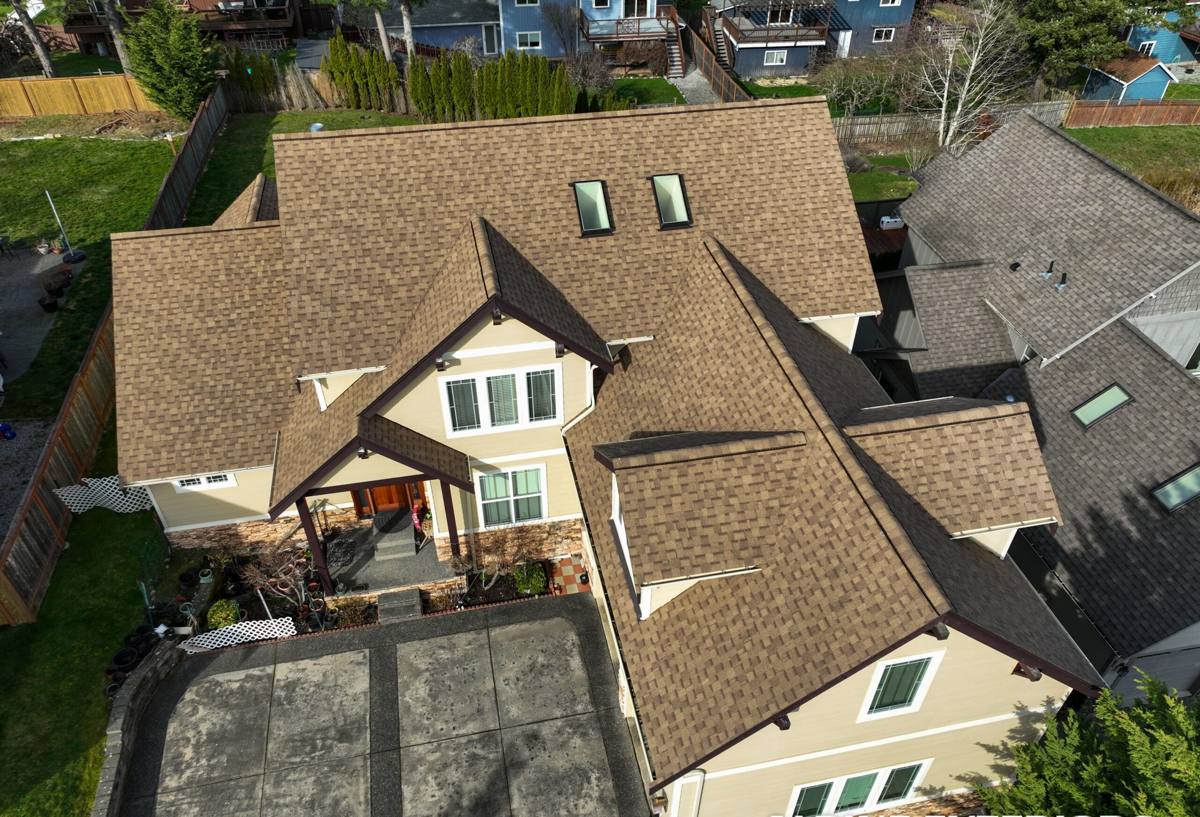
What South Tampa's Climate Demands From New Windows
New-construction windows here aren't just a design choice — they're a structural and weatherproofing component of the house. A few things make South Tampa specifically demanding:
- Wind load: Proximity to open water means design wind speeds used for structural calculations are higher than for inland Hillsborough County. Every window has to carry a Florida Product Approval (or Miami-Dade NOA where specified) rated for the wind zone and exposure category of the actual lot.
- Wind-driven rain: Storms here don't just bring wind or just bring rain — they push rain sideways into the wall assembly under pressure. The window and its flashing have to shed that water, not just resist it.
- Salt air: Being close to Tampa Bay means airborne salt accelerates corrosion on hardware, screws, and lesser-grade aluminum. Frame and fastener material matters more here than it would forty miles inland.
- Year-round UV: Florida sun is intense and constant, not seasonal. Vinyl, seals, and low-E coatings all age faster under that exposure if they're not rated for it.
- Humidity and moisture management: A poorly flashed rough opening in this climate doesn't just risk a leak during a storm — it invites ongoing moisture intrusion and wood rot behind the wall finish long before anyone notices.
None of this is exotic. It's the normal cost of building close to the water in West Central Florida. But it does mean the installation details matter as much as the window brand.
What a Correct New-Construction Window Installation Actually Involves
Before the Window Ever Goes In
Rough openings have to be checked for square, level, and correct size before we set anything. We also confirm the wall's water-resistive barrier (house wrap or equivalent) is in place and lapped correctly, because the window's flashing ties directly into that system. Skipping this step is one of the most common ways new homes end up with hidden leaks that don't show up for a year or two.
Flashing the Opening
This is the step that actually keeps water out, more than the window itself. We flash the sill pan first, then integrate side and head flashing in the correct shingle-lap order so that water draining down the wall is always directed outward, never behind the barrier. In a market with regular wind-driven rain, a sill pan flashing detail isn't optional — it's the difference between a house that stays dry and one that develops rot inside a wall nobody can see.
Setting and Fastening the Window
New-construction windows have a nailing fin that gets fastened directly to the sheathing according to the manufacturer's approved fastening schedule — spacing and fastener type aren't a matter of preference, they're tied to the wind rating on the product approval. We use corrosion-resistant fasteners appropriate for coastal-influenced air, not standard hardware that will start rusting within a few years.
Sealing and Insulating
The gap between the frame and the rough opening gets backer rod and low-expansion foam or an approved insulation method — never packed solid with standard foam, which can bow a frame out of square and cause operational problems later. Exterior sealant joints are tooled properly and matched to the siding or stucco system that will finish around the window.
Final Integration With the Exterior
Once stucco, siding, or masonry veneer goes up around the window, the flashing has to have already been installed so the exterior finish laps over it correctly — not the other way around. We coordinate directly with builders and other trades so this sequencing happens in the right order, which is one of the most common places new-construction jobs go wrong when trades aren't communicating.
Installation Checklist We Follow on Every South Tampa New Build
- Verify rough opening dimensions, square, and plumb before delivery
- Confirm water-resistive barrier is continuous and properly lapped
- Install sill pan flashing with a positive slope to the exterior
- Fasten per the manufacturer's approved schedule for the specific wind rating
- Use corrosion-resistant fasteners suited to coastal air exposure
- Install head and jamb flashing in correct shingle-lap sequence
- Air-seal and insulate the perimeter gap without over-packing the cavity
- Photograph flashing details before they're covered, for the builder's and homeowner's records
- Coordinate timing with siding, stucco, or masonry trades so laps are correct
- Confirm product approval documentation matches what's required for final inspection
Choosing Window Specs for a South Tampa New Build
New construction gives you a real choice in glass package, frame material, and impact rating — decisions that are much harder to change once a house is finished. A few factors worth weighing with your contractor or window supplier early:
| Factor | Why It Matters Here |
|---|---|
| Wind rating / product approval | Must match the specific wind zone and exposure category for the lot, confirmed against Florida Product Approval or NOA listings |
| Impact-rated vs. shutters | Impact glass eliminates the need to install shutters or panels before a storm; it costs more upfront but reduces ongoing storm-prep labor |
| Frame material | Vinyl and fiberglass resist salt-air corrosion better than lower-grade aluminum; frame choice affects long-term maintenance |
| Low-E glass coating | Reduces solar heat gain in a climate with intense year-round sun, which directly affects cooling costs |
| Hardware finish | Coastal-grade hardware resists pitting and corrosion from salt-laden air better than standard finishes |
| Warranty structure | Understand what's covered on the glass, the frame, and the labor separately — they're often different warranties from different parties |
We're glad to walk through these trade-offs in plain terms for a specific build — there's rarely one "best" answer, just the right balance of upfront cost, long-term maintenance, and how the house will actually be used.
Why the Installer Matters as Much as the Window
A high-end, correctly rated window installed with a lazy flashing job will leak. A mid-range window installed with careful flashing and correct fastening will usually outperform it. In new construction, the installation is doing most of the work — the window itself only meets its rated performance if it's set into the wall the way the manufacturer's approval assumes it will be.
This is also where inspections come in. Hillsborough County and City of Tampa building inspectors are checking for proper flashing, correct fastening, and documentation that the installed product matches its approved rating. A crew that's done this inspection process repeatedly in this jurisdiction moves through it without delays; a crew unfamiliar with local inspectors' expectations can hold up a builder's schedule.
Working With Builders and General Contractors
Most of our new-construction window work in South Tampa comes through coordination with a builder or GC rather than directly with a future homeowner. We're comfortable working from architectural plans and window schedules, meeting framing timelines, and communicating directly with the GC about sequencing so window installation doesn't become the bottleneck holding up stucco, siding, or interior trim. If you're a homeowner managing your own build or acting as your own GC, we can walk you through the same process and handle coordination with your other trades.
Why Choose a Crew That Already Works in South Tampa
South Tampa isn't a generic Florida market — it's a specific combination of coastal exposure, established neighborhoods with a mix of new builds and teardown-rebuilds, and inspection processes run through Hillsborough County and the City of Tampa. A crew that already works here knows:
- What wind ratings and product approvals are typically required for lots in this area
- How local building inspectors expect flashing and fastening to be documented
- How to sequence window installation with the stucco and siding trades common in this market
- What salt air and constant UV exposure do to lower-grade materials over time, and which specs actually hold up
That local experience shows up as fewer surprises during inspection, fewer callbacks after the first hard rain, and a window package that's still performing correctly ten and twenty years down the road — not just on move-in day.
Get a Straightforward Estimate
If you're planning a new build or major addition in South Tampa, we're happy to review your window schedule, talk through wind rating and product options for your specific lot, and give you a clear, honest estimate — no pressure, no upselling. Fill out the form below and we'll get back to you to talk through your project.