 Tampa Roofing
 Why Valrico Roofs Take a Beating Every Storm Season
Valrico sits inland from Tampa Bay, but "inland" doesn't mean sheltered. Hillsborough County still sits squarely in the path of tropical systems moving off the Gulf, and once a storm makes landfall, wind speeds don't drop off just because a neighborhood is a few miles from the water. Add in the county's near-daily summer thunderstorms, the sideways rain that comes with them, and months of intense subtropical UV baking every shingle between storms, and you've got a roof that's under stress almost year-round, not just during hurricane season.
Salt air is a smaller factor here than it is right on the coast, but it still travels further inland than most homeowners assume, especially on windy days, and it adds to the slow breakdown of metal fasteners, flashing, and vent components over time. The combination that really wears down a Valrico roof is wind-driven rain forcing water under shingles that UV exposure has already made brittle. That's the pattern we see over and over on repair calls in this area.
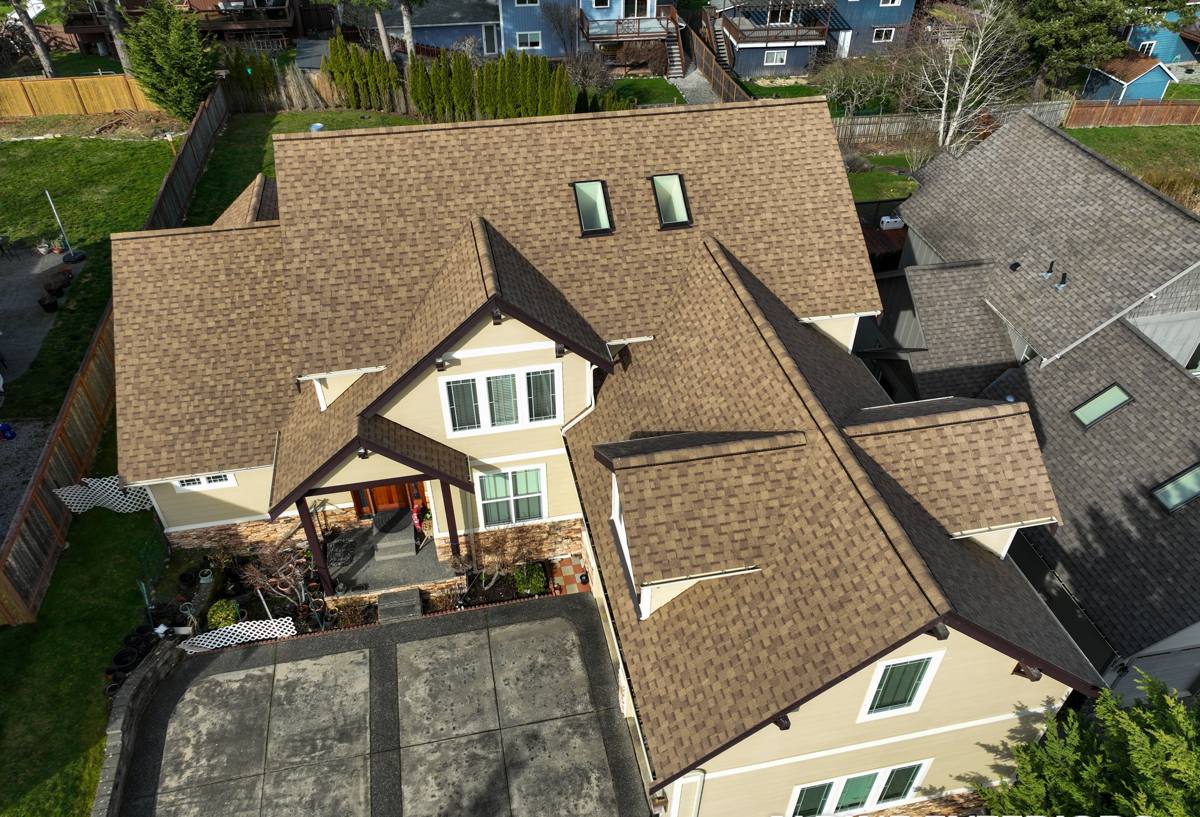
What Actually Counts as Storm Damage
Not every roof problem that shows up after a storm was caused by that storm, and a straight answer here matters — both for your wallet and for any insurance claim. Storm damage generally falls into a few categories:
- Wind damage: shingles lifted, creased, torn loose, or blown off entirely, usually starting at roof edges, ridges, and corners where uplift is strongest.
- Impact damage: bruising or granule loss from hail or wind-driven debris, which can be hard to spot from the ground but compromises the shingle's ability to shed water.
- Water intrusion: damage from rain forcing its way under lifted shingles, through damaged flashing, or through fastener holes that have worked loose.
- Flashing and penetration failures: pipe boots, valley flashing, and vent flashing are common failure points during high wind, since they rely on sealant and mechanical fasteners that age faster than the shingles around them.
What isn't storm damage: granule loss from a roof simply being at the end of its service life, curling shingles from years of UV exposure with no single wind event to point to, or ponding water from poor original installation. A contractor who tells you everything is storm-related regardless of what they find isn't doing you any favors — that framing can backfire when an adjuster inspects the same roof.
Signs Worth Checking After a Storm
From the Ground and Attic
You don't need to get on the roof yourself to catch most warning signs. Walk the property after a storm and look for:
- Shingle pieces or granules in gutters, downspouts, or scattered across the yard
- Shingles that look out of alignment, lifted at the edges, or missing outright
- Dented or dinged gutters, vents, or AC housing — a rough indicator of hail size and force
- Water stains on ceilings or upper walls, especially near chimneys, skylights, or where two roof planes meet
- A musty smell in the attic, which often shows up before a visible stain does
Timing Matters
A roof with lifted shingles or a compromised flashing seal doesn't always leak the first time it rains after the storm. It can take a second or third heavy rain — common in Hillsborough County's pattern of repeat summer storms — before water finds its way in. That's one reason we recommend a full inspection after any significant wind event, even if nothing looks obviously wrong yet.
What a Correct Storm Repair Actually Involves
Inspection and Documentation
A proper storm repair starts with a full roof walk, not a look from the driveway. That means checking every slope, every valley, every penetration, and the attic from the inside, then documenting what we find with photos before any repair work begins. This documentation matters just as much for your records as it does for an insurance claim, since damage that isn't documented is damage that's hard to prove happened when you say it did.
Stabilizing the Roof First
If a section is actively letting water in, or shingles are missing outright, the first job is stopping further damage — tarping exposed decking, resealing lifted flashing, or securing loose material — before scheduling the full repair. Rushing straight to a permanent fix while more rain is in the forecast just means redoing work.
Matching Materials and Methods
Repairs should match the existing roofing system as closely as possible: same or comparable shingle profile and color line where the roof isn't old enough that an exact match is unrealistic, correct nailing pattern for the wind zone, and flashing details that follow the same underlayment and fastening approach used on well-built roofs throughout the county. A patch that's nailed in with fewer fasteners than the surrounding field, or sealed with caulk instead of properly integrated flashing, will fail again in the next storm — often faster than the original damage did.
Repair or Replace? How We Actually Decide
Not every storm-damaged roof needs a full replacement, and not every roof can be reasonably patched. The honest answer depends on a handful of factors:
| Factor | Leans Toward Repair | Leans Toward Replacement |
|---|---|---|
| Roof age | Under half its expected service life | Near or past manufacturer lifespan |
| Extent of damage | Isolated to one or two slopes/areas | Spread across most of the roof |
| Underlying decking | Sound, no rot or soft spots | Water-damaged or soft in multiple areas |
| Material availability | Matching shingles still available | Discontinued color/profile, mismatch unavoidable |
| Prior repair history | First significant repair | Roof has been patched repeatedly over the years |
We'll walk you through where your roof falls on each of these before recommending one over the other. A repair that's done right can add years of service to a roof that's otherwise sound — but we won't sell a patch job on a roof that's genuinely due for replacement just because it's the smaller invoice today.
Our Process, Start to Finish
- Initial contact and scheduling — we get basic details about the storm event and damage, and get a technician out for an inspection.
- Full roof and attic inspection — every slope, valley, and penetration checked, with photo documentation.
- Written scope and estimate — a clear breakdown of what needs to be done and why, not a vague lump-sum number.
- Emergency mitigation if needed — tarping or temporary sealing to stop active leaks before the full repair is scheduled.
- Permitted repair work — completed to Hillsborough County code requirements, with materials and fastening matched to the local wind zone.
- Final walkthrough — we review the completed work with you before calling the job done.
Why It Matters That We Already Work in Valrico
A crew that regularly works Valrico and the surrounding parts of Hillsborough County knows the roofing stock in this area — the mix of roof ages and pitches you find across the neighborhood, the shingle and tile profiles that were common in different build eras, and the wind-zone requirements the county's building code applies to repairs. That familiarity shows up in small but real ways: knowing which flashing details tend to fail first on roofs of a certain age, sourcing shingles that reasonably match what's already up there, and pulling permits without back-and-forth delays.
It also shows up after a storm hits a wide area. When multiple homes need attention at once, a contractor who already has local routes, local suppliers, and local crew coverage can respond faster than one dispatching from farther away — and isn't stretched as thin trying to cover unfamiliar territory during the highest-demand week of the year.
Insurance Claims: What to Know Going In
Most homeowners' policies cover sudden storm damage — wind and hail — though coverage details, deductibles, and depreciation schedules vary by policy. We're not your insurance company and we don't make claim decisions, but we can provide the documentation an adjuster needs: dated photos, a written scope of damage, and an honest assessment of what's storm-caused versus what's normal wear. Get your own copy of that documentation regardless of how the claim goes, and read your policy's wind and hail deductible before you assume a small repair will clear it — on many policies it won't, and paying out of pocket may be the more practical route for smaller jobs.
A Quick Checklist for After the Next Storm
- Walk the perimeter of the house and check gutters/downspouts for granules or shingle debris
- Check the attic for new water stains, damp insulation, or a musty smell
- Look at ceilings and upper walls for discoloration, especially near chimneys and skylights
- Photograph anything unusual before cleaning up debris, in case it's needed later
- Avoid climbing onto the roof yourself — storm-damaged decking and wet shingles are both easy to slip on
- Call for a professional inspection if you see any of the above, even if it seems minor
Getting a Straight Answer on Your Roof
Storm damage isn't always dramatic. Sometimes it's a single lifted shingle that lets water in slowly over months rather than an obvious hole after the storm. The only way to know for sure is to have someone look who knows what storm damage actually looks like on roofs like yours, and who'll tell you honestly whether you're looking at a repair or something bigger.
If your Valrico home has been through a recent storm, or you're not sure whether last season's weather left something behind, we're glad to come take a look. The estimate is free, there's no pressure attached to it, and you'll get a straight answer either way — just fill out the form below to get started.