 Tampa Roofing
 Why Clearwater's Climate Is Hard on Asphalt Shingle Roofs
Clearwater sits on the Gulf side of the Tampa Bay area, and that location comes with a specific set of roofing problems. Homes here take a combination of hurricane-force wind gusts, near-constant UV exposure, wind-driven rain that gets pushed sideways under poorly sealed edges, and salt air drifting in off the Gulf that accelerates corrosion on fasteners and flashing. Any one of those on its own is manageable. Together, over years, they wear out a shingle roof faster than the same product would wear out inland.
This isn't a reason to avoid asphalt shingles in Clearwater — they're still the most common and most cost-effective roofing material for homes in Pinellas County and across the greater Tampa Bay region. It's a reason to be precise about the materials, wind rating, and installation details you choose, because the margin for a sloppy install is thinner here than it is in a milder climate.
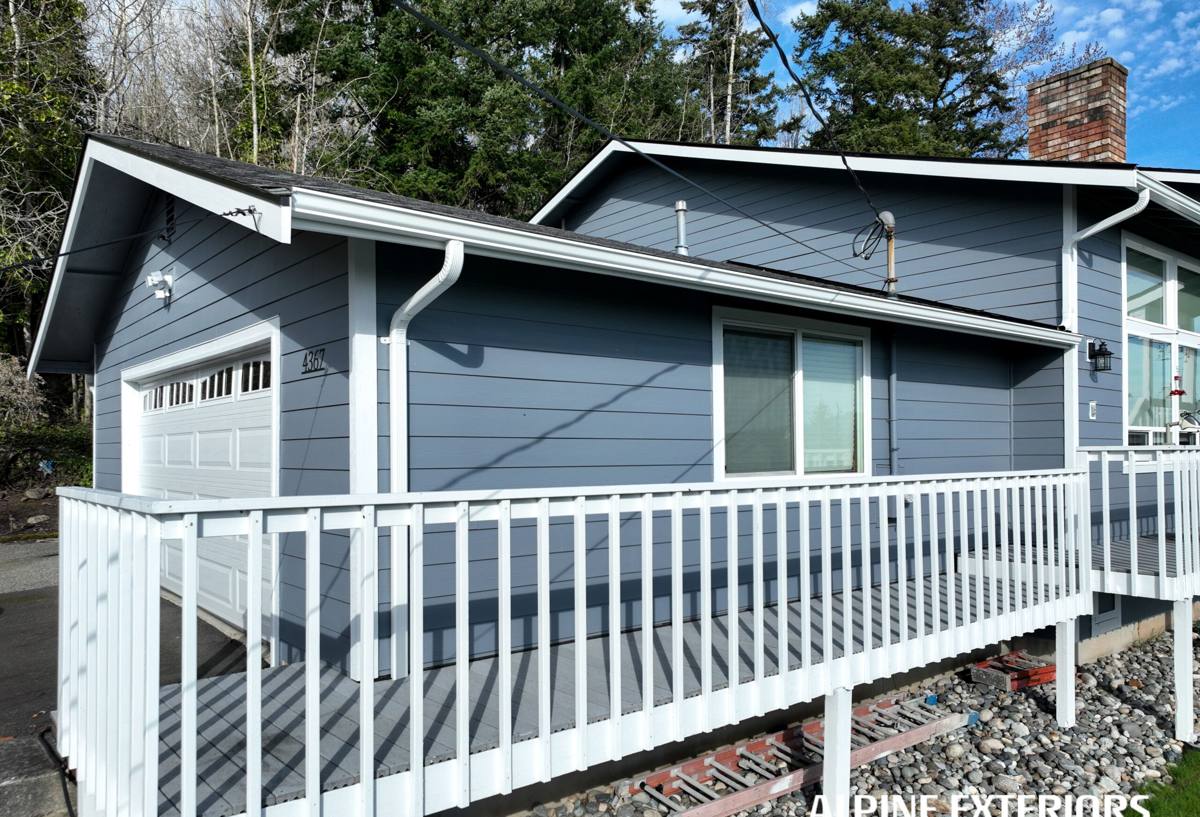
What a Shingle Roof in Clearwater Actually Needs to Perform
Wind Resistance and Nailing
Florida Building Code sets minimum wind-uplift requirements for our zone, and Clearwater's coastal exposure means we're generally installing to the higher end of what's allowed for the area rather than the bare minimum. That comes down to fastener count, nail placement, and using a shingle product actually rated for the wind speed the code requires — not just whatever's cheapest at the supply house. A six-nail pattern instead of four, installed correctly, is one of the single biggest factors in whether a roof survives a tropical storm with minor granule loss or ends up with shingles peeled back off the deck.
Underlayment and Water Barrier
Wind-driven rain in a coastal storm doesn't fall straight down — it gets forced sideways and upward under shingle tabs and around penetrations. That's why the underlayment layer matters as much as the shingles themselves. A synthetic underlayment with properly sealed laps, plus self-adhered membrane at eaves, valleys, and roof-to-wall transitions, gives the roof a second line of defense when wind finds a gap the shingles alone can't stop.
Ventilation
Intense, near year-round sun bakes an attic space in Clearwater in a way that shortens shingle life if the roof can't breathe. Poor ventilation traps heat and moisture under the deck, which cooks the shingles from underneath and can lead to premature blistering, curling, and granule loss — independent of whatever's hitting the roof from outside. A correctly balanced intake and exhaust system is part of doing the job right, not an upsell.
Signs Your Clearwater Roof Needs Attention
Most shingle roof failures here don't happen all at once — they show warning signs for months or years first. Homeowners who catch these early usually get a repair; homeowners who don't usually end up with a replacement plus interior damage.
- Granules collecting in gutters or at the base of downspouts, especially after a heavy rain
- Shingle edges that look lifted, curled, or cupped, particularly on the south and west-facing slopes
- Dark streaking or discoloration, which is usually algae growth thriving in our humidity
- Missing or torn shingles after any named storm or even a strong afternoon thunderstorm
- Soft spots in the decking, visible sagging, or daylight showing through the attic
- Rust staining or corrosion around flashing, vent boots, and exposed fasteners
- Water stains on interior ceilings, especially near chimneys, skylights, or wall-roof intersections
What a Correct Shingle Roof Installation Involves
Tear-Off and Deck Inspection
A proper job starts with a full tear-off down to the deck, not a layover. That's the only way to actually see the condition of the plywood or OSB underneath — soft, delaminated, or water-damaged sections need to be cut out and replaced before anything new goes down. Covering a compromised deck with new shingles just hides the problem until it becomes an interior leak.
Underlayment and Flashing
Once the deck is sound, that's where the water barrier goes in: self-adhered membrane at vulnerable areas, synthetic underlayment across the field, and new flashing at every chimney, wall, valley, and penetration. Reusing old flashing to save time is one of the most common shortcuts that leads to a callback a year or two later, and it's not one we take.
Shingle Installation
Shingles go down with the fastener pattern and exposure the manufacturer specifies for our wind zone, with starter strip at the eaves and rakes and ridge cap tied in correctly at the top. Every penetration — plumbing vents, exhaust vents, satellite mounts — gets properly flashed and sealed rather than caulked over as an afterthought.
Repair or Replace? What Actually Decides It
| Factor | Leans Toward Repair | Leans Toward Replacement |
|---|---|---|
| Age of roof | Under 10-12 years | Approaching or past manufacturer's expected lifespan |
| Extent of damage | Isolated to one area or slope | Spread across multiple slopes |
| Granule loss | Minor, localized | Widespread, shingles look bald in patches |
| Deck condition | Solid, no soft spots found | Soft decking or signs of rot found during inspection |
| Storm history | Isolated wind or debris damage | Repeated storm exposure over many seasons |
| Insurance/financing goals | N/A | Wind mitigation credit or new-roof discount is a priority |
We'll tell you honestly which side of that table your roof falls on. If a repair will genuinely hold up through hurricane season, that's what we'll recommend — a full replacement isn't the right answer just because it's the bigger job.
Shingle Options for Clearwater Homes
| Type | Typical Wind Rating | Best For | Trade-Offs |
|---|---|---|---|
| 3-tab shingle | Lower end of code-compliant ratings | Budget-conscious reroofs on less exposed properties | Shorter expected lifespan in coastal wind and UV exposure |
| Architectural (laminate) shingle | Higher wind ratings, varies by product line | Most Clearwater homes, especially higher-exposure areas | Higher upfront cost than 3-tab, offset by longevity |
| Impact-rated / high-wind shingle | Highest available ratings | Homes seeking maximum wind mitigation credit | Highest material cost; check with your insurer on actual premium impact |
| Algae-resistant (SBS/copper-granule) shingle | Same as base product line | Shaded roofs or areas prone to streaking | Slight cost premium for the algae-resistant granule treatment |
We'll walk you through which of these actually makes sense for your roof's exposure, your budget, and whether wind mitigation credits on your homeowner's insurance are a priority — that credit can offset part of the cost difference over a few years.
Our Process When We Work in Clearwater
- Inspection: We get on the roof, check the deck condition where accessible, look at flashing, ventilation, and current shingle condition, and take note of anything storm-related.
- Written estimate: You get a clear scope of work and pricing before anything is scheduled — no verbal-only quotes.
- Permitting: We handle the permit process with the local jurisdiction so the job is inspected and documented correctly.
- Material delivery and tear-off: Old roofing comes off, the deck gets inspected and repaired as needed, and we protect landscaping and gutters during the work.
- Installation: Underlayment, flashing, and shingles go in to the wind-rated specification we quoted.
- Cleanup and final walk-through: Magnetic sweep for nails, debris haul-off, and a walk-through so you know exactly what was done.
Why a Crew That Already Works Clearwater Matters
A roofer who works Pinellas County regularly already knows what the local permitting office expects, what wind-uplift documentation your insurer will want for a mitigation credit, and how to spec a roof that actually holds up to salt air and coastal gusts rather than just meeting the bare code minimum inland crews are used to. That local knowledge shows up in fewer surprises during the permit process and a roof system that's actually built for the exposure your specific property sees.
It also matters after the job is done. A crew based in the Tampa Bay area is available if a post-storm inspection or a warranty question comes up — not a name you found once and can't reach again.
Maintenance That Extends the Life of Your Shingle Roof
- Keep gutters and downspouts clear so water isn't backing up under the eaves
- Trim back overhanging tree limbs that hold moisture against the roof and drop debris
- Have the roof visually inspected after any significant storm, not just once a year
- Address small leaks or lifted shingles promptly rather than waiting for a bigger repair
- Check attic ventilation isn't blocked by insulation or storage
- Keep an eye on flashing and sealant around vents, chimneys, and skylights for cracking
If you're not sure whether your Clearwater home needs a repair, a full replacement, or just a closer look, we're glad to come take one. The estimate is free, there's no pressure attached to it, and you'll get a straight answer either way — just fill out the form below to get started.