 Tampa Roofing
 Clearwater's Climate Is Hard on Siding — Here's Why
Clearwater sits on the Gulf side of the Tampa Bay area, which means homes here deal with a combination of stressors that inland properties simply don't face. Salt-laden air drifts in off the water and settles on exterior surfaces year-round, accelerating corrosion of fasteners and trim, and breaking down finishes that aren't built to resist it. Add in Florida's intense, near-constant UV exposure, and you have a climate that fades color, chalks paint, and dries out organic materials faster than almost anywhere else in the country.
Then there's wind. Pinellas County sits squarely in a hurricane-prone coastal zone, and even in a "normal" storm season, homes take on wind-driven rain that gets pushed sideways into seams, laps, and trim joints under real pressure — not the gentle vertical rain that most siding products are tested against in milder climates. A siding system that isn't installed with the right clearances, flashing, and fastening for this environment will show problems within a few years: buckling, moisture intrusion behind the cladding, soft trim, and premature paint failure.
This is the environment Tampa Roofing Co works in every week. We're not describing a hypothetical — it's the baseline condition every Clearwater siding job has to be engineered around.
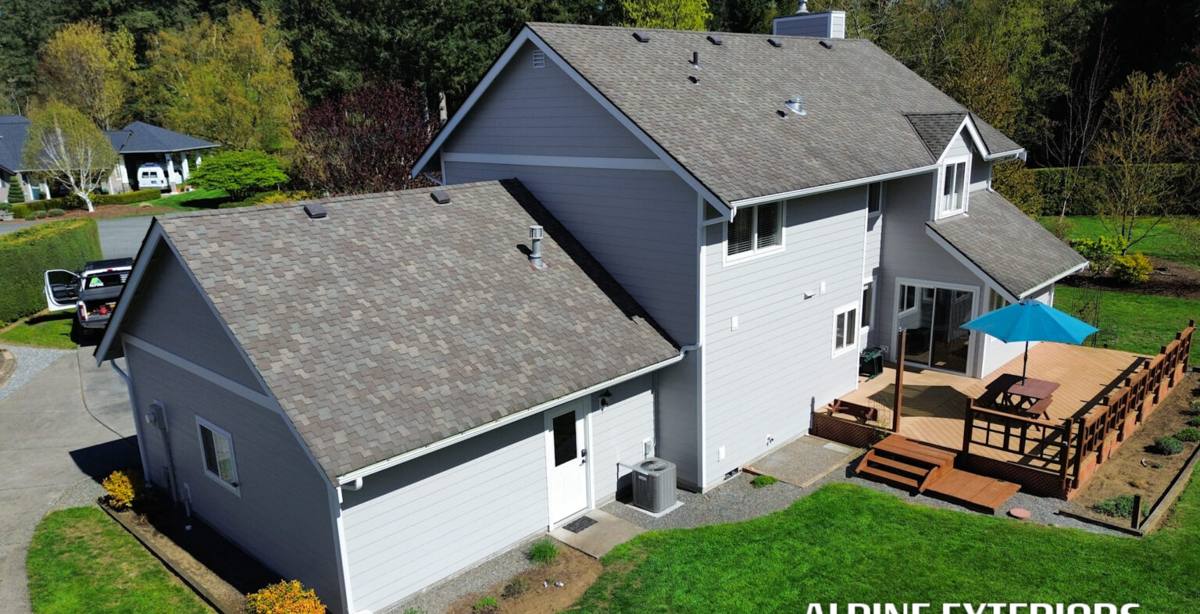
What Clearwater Homes Actually Need From Their Siding
Given the conditions above, siding on a Clearwater home needs to do more than look good on installation day. It needs to hold up over decades of Gulf weather. Specifically, that means:
- Non-combustible material — Florida's summer lightning activity and grill/fire pit-heavy outdoor living mean fire resistance is a real, practical benefit, not a marketing line.
- Dimensional stability in heat and humidity — siding that swells, contracts, or warps with Florida's daily humidity swings will eventually open gaps at seams and fasteners.
- A factory finish that resists UV fade — field-applied paint jobs on wood-based or fiber cement products tend to fail years before a baked-on factory finish does, especially under Florida sun.
- Resistance to moisture-driven rot and pest damage — humidity and termite pressure are constants in this part of Florida.
- Wind and impact resistance — siding needs to stay attached and intact through tropical storms and the debris they carry, not just cosmetic wind.
Very few siding materials check all of these boxes at once. That's the core reason we standardized on one product line rather than offering a menu of options.
Why We Install Only James Hardie Fiber Cement
Tampa Roofing Co installs James Hardie fiber cement siding exclusively. We don't offer vinyl, LP SmartSide, Cemplank, Allura, or primed wood products like spruce or cedar siding, and we're upfront about why: in a coastal, hurricane-exposed climate like Clearwater's, the trade-offs on those alternatives — moisture sensitivity, shorter finish life, more frequent maintenance, or lower wind and impact performance — aren't ones we're willing to put our name behind.
James Hardie fiber cement is a blend of cement, sand, and cellulose fibers, engineered specifically to resist the freeze-thaw cycles of northern climates on one end and the heat, humidity, and moisture load of Gulf Coast climates on the other. For this region, Hardie produces its HZ5 product formulation, engineered for hot, humid, high-moisture environments — which is exactly Clearwater's profile.
What the Product System Actually Includes
"James Hardie siding" isn't a single board — it's a system, and installing it correctly means using all the pieces together:
- Lap siding, shingle-style panels, or vertical panel products depending on the home's architecture
- ColorPlus factory-applied finish — baked on and cured under controlled conditions, which holds color and resists fading far longer than a job-site paint application, and carries its own finish warranty separate from the substrate
- Hardie trim boards for corners, fascia, and window/door surrounds, matched to resist the same moisture and UV load as the field siding
- A transferable limited warranty on the substrate, which matters to resale value in a market like Clearwater where buyers and inspectors increasingly ask what siding is on the house and how it was installed
We don't mix in other manufacturers' trim or accessory products to save cost — the system is designed to perform as a whole, and cutting corners on the pieces buyers never think about (starter strips, flashing tape, trim caulk compatibility) is where premature failures usually start.
What a Correct Installation Involves
Fiber cement siding is only as good as the installation behind it. This is a product that's genuinely sensitive to installation errors — more so than vinyl, which is far more forgiving. A correct James Hardie install on a Clearwater home includes:
Water Management First
Before a single piece of siding goes up, the wall needs a properly lapped weather-resistant barrier, correctly integrated flashing at every window, door, and penetration, and a drainage plane that lets any incidental moisture escape rather than get trapped behind the cladding. In a climate with wind-driven rain, this step is not optional — it's the difference between siding that lasts thirty-plus years and siding that hides rot behind it within five.
Clearances and Fastening
James Hardie specifies minimum clearances from grade, roof lines, decks, and other abutting surfaces, along with specific fastener types, spacing, and penetration depth. Skipping these clearances is one of the most common installation mistakes we see when we're called in to look at problem siding from other contractors — it traps moisture at the bottom edge of the board and voids the manufacturer's warranty.
Joints and Caulking
Butt joints need to be properly backed and sealed with a compatible sealant, not just butted together and caulked over. In coastal wind, uncaulked or poorly backed joints are where wind-driven rain gets pushed straight through the wall assembly.
Cutting and Finishing
Fiber cement produces silica dust when cut, and manufacturer guidelines call for specific cutting methods and dust control. Cut edges also need to be sealed to protect against moisture intrusion at the raw substrate — a step that's easy to skip and impossible to verify once the siding is painted over.
Our Process for a Clearwater Siding Job
- Free on-site estimate — we walk the exterior, check current siding and sheathing condition, and talk through product lines, colors, and budget with no pressure to sign anything on the spot.
- Inspection of what's underneath — once work begins, we check sheathing and framing for hidden moisture damage before new siding goes up. This is common on older Pinellas County homes where prior siding trapped moisture for years unnoticed.
- Water barrier and flashing installation — done to manufacturer spec, not shortcuts, before any Hardie product is installed.
- Siding, trim, and finish installation — installed to James Hardie's published fastening, clearance, and joint specifications.
- Final walkthrough — we go over the finished job with the homeowner and explain warranty registration and any basic care.
Fiber Cement vs. the Alternatives
| Material | Coastal/Wind Performance | Finish Longevity | Maintenance Burden |
|---|---|---|---|
| James Hardie Fiber Cement (HZ5) | Engineered for hurricane-prone, high-moisture climates | Factory ColorPlus finish, long-lasting | Low — occasional wash, no repainting for many years |
| Vinyl Siding | Can warp, crack, or blow off in high wind; melts near heat sources | Color molded in but can fade and chalk under intense UV | Low, but damage often means full-panel replacement |
| LP SmartSide (engineered wood) | Wood-based; more moisture-sensitive at cut edges and joints | Field or factory finish, shorter lifespan in humid climates | Moderate — moisture management is critical |
| Primed Spruce/Cedar | Natural wood; vulnerable to rot, pests, and moisture in humid coastal air | Field-painted, fades and requires repainting on a recurring cycle | High — regular painting, caulking, and pest monitoring |
This comparison isn't about declaring other products worthless — vinyl and engineered wood siding both have a place in the market and can perform reasonably well in the right climate and installation. Our position is narrower: for the specific combination of salt air, UV, humidity, and hurricane wind that Clearwater homes face, fiber cement's non-combustible, dimensionally stable, factory-finished construction is the option we're willing to stand behind with our own installation crews.
What Drives Cost on a Clearwater Siding Job
| Factor | Why It Matters |
|---|---|
| Home size and wall complexity | More corners, gables, and dormers mean more trim work and cutting |
| Current siding removal and disposal | Tear-off of old siding adds labor beyond a straightforward re-side |
| Sheathing or framing repair | Hidden moisture damage found during tear-off requires repair before new siding goes on |
| Product profile chosen | Lap width, shingle-style panels, and vertical siding carry different material and labor costs |
| Trim and architectural detail | Window surrounds, fascia, and accent trim add material and installation time |
We don't quote ballpark numbers over the phone for siding — too much depends on what's actually on the wall and what condition it's in. A free on-site estimate is the only way to give an honest number.
Why Hiring a Crew That Already Works Clearwater Matters
Siding installation in a hurricane-exposed coastal market has local realities that don't show up in a general contractor's training. Wind zone requirements affect fastening schedules. Salt air affects which fastener and flashing materials hold up long-term versus which corrode early. Local permitting and inspection processes in Pinellas County move differently than they do elsewhere in the Tampa Bay region, and a crew that's already pulled permits and passed inspections here knows what inspectors are checking for. A contractor who mostly works inland jobs and occasionally takes a coastal project is learning these details on your house. We'd rather you hire a crew for whom this climate is the default job, not the exception.
Signs Your Current Siding Needs Attention
- Visible warping, buckling, or gaps opening up at seams and trim joints
- Soft or spongy spots when pressed, especially near the bottom edge or around windows
- Paint or finish that's chalking, peeling, or fading unevenly
- Rising utility bills that suggest the wall assembly is no longer keeping conditioned air in
- Visible rot, pest damage, or staining that suggests trapped moisture behind the siding
- Siding that's original to a home older than 20-25 years, especially if it's wood-based or lower-grade vinyl
If any of these sound familiar, it's worth having an honest, no-obligation look before a small problem turns into sheathing or framing repair.
If you're a Clearwater homeowner weighing your siding options, we're happy to come take a look, explain what we see, and walk you through James Hardie's product lines and pricing with no pressure to commit. Reach out below for a free estimate.