 Tampa Roofing
 Siding Replacement Built for Clearwater's Coastal Exposure
Clearwater sits close enough to the Gulf that salt air, humidity, and wind-driven rain are part of daily life for every home in the area, not just the ones directly on the water. Add in Hillsborough and Pinellas County's intense year-round UV load and the occasional hurricane-force wind event, and you have a climate that is genuinely hard on exterior cladding. Siding here isn't just cosmetic — it's the barrier standing between your framing and a combination of sun, salt, and moisture that never really lets up.
When we talk about siding replacement in Clearwater, we're talking about a job that has to account for all of that at once. A product or installation method that works fine in a drier, milder climate can fail here in a fraction of the time. That's the lens we use on every Clearwater siding project.
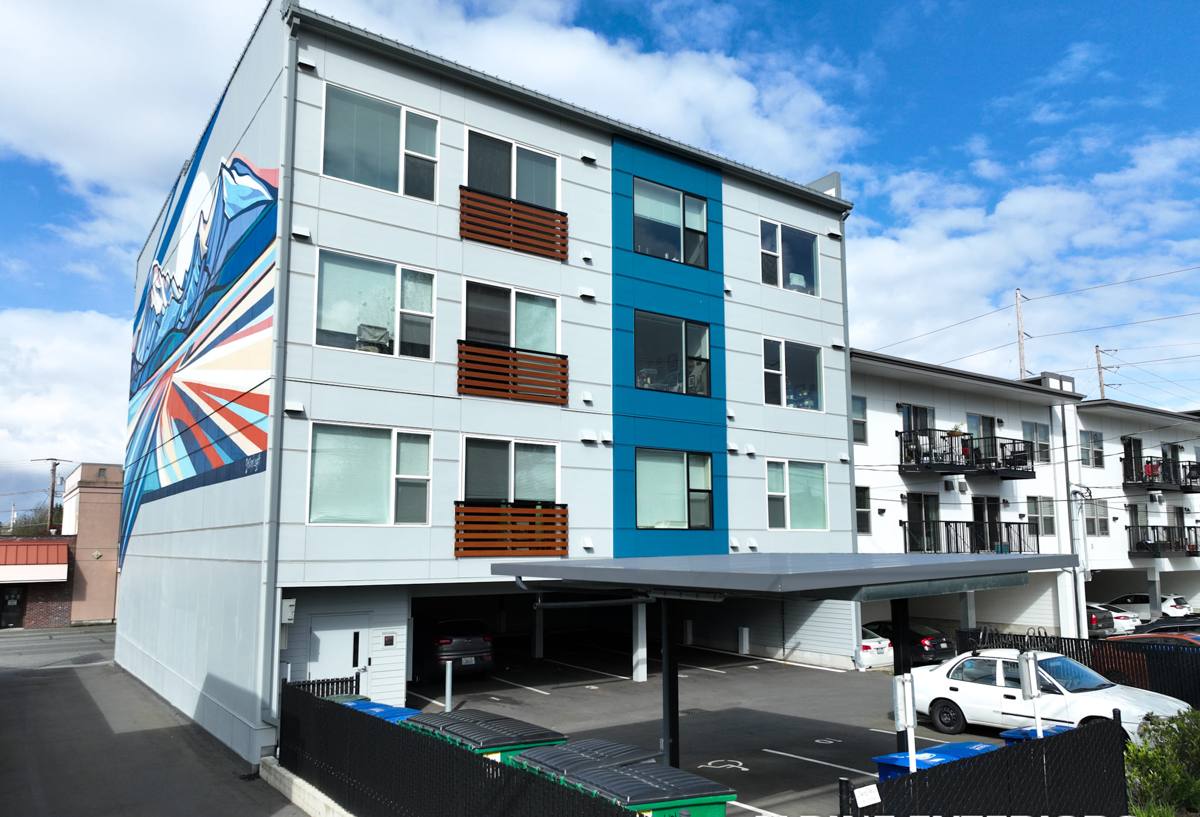
What Clearwater's Climate Actually Does to Siding
Salt Air and Humidity
Airborne salt is corrosive to fasteners and hard on any siding material that isn't dimensionally stable. Combined with Clearwater's humidity, it accelerates wear on caulking, trim joints, and any seam where moisture can find a way in. Materials that swell, shrink, or absorb water cycle through wet-dry stress far more often here than inland.
Year-Round UV
Florida sun is relentless, and it doesn't take a summer off. UV exposure breaks down pigments and surface coatings over time, which is why faded, chalky siding is such a common sight on older homes in this area. A finish that isn't engineered for this UV load will visibly fade years before a homeowner expects to be thinking about siding again.
Wind-Driven Rain and Storm Wind
Clearwater's storm exposure means siding periodically has to shed rain that's being pushed sideways, not just falling straight down, and it has to stay fastened through sustained high winds. That puts real demands on both the material and the installation — loose panels, failed laps, or gaps at trim are where wind-driven rain gets behind the cladding and into the wall assembly.
Signs a Clearwater Home Needs Siding Replacement
- Visible cracking, buckling, or warping, especially on south- and west-facing walls that take the most sun
- Soft spots or give when you press on the siding, which usually points to moisture damage behind it
- Paint or finish that's chalking, peeling, or fading unevenly across the house
- Gaps opening up at seams, corners, or trim where caulking has failed
- Rising cooling costs, which can indicate the wall assembly is no longer performing as insulation and a moisture barrier
- Visible mold, mildew, or staining that keeps coming back no matter how often it's cleaned
- Siding that's simply reached the end of its service life and is due before the next storm season
Why We Only Install James Hardie Fiber Cement
We made a deliberate decision to install only James Hardie fiber cement siding, and we don't install vinyl, LP SmartSide, Cemplank, Allura, or wood siding like primed spruce or cedar. That's not a marketing line — it's a standard we hold ourselves to because of what a Clearwater climate does to alternatives over time.
Vinyl can warp and distort in intense, sustained heat, and it's a petroleum-based product that offers essentially no fire resistance. Wood-based composite siding and traditional wood products are vulnerable to moisture intrusion at cut edges and fastener points, which is a real liability in a humid, storm-prone coastal environment — once moisture gets into an engineered wood substrate, it can swell and deteriorate from the inside out. These aren't reasons to call other products "bad" across the board; in drier, more moderate climates they can perform reasonably well. But for a home a few miles from the Gulf, taking direct sun and salt air, we don't think they're the right trade-off.
James Hardie fiber cement is non-combustible, dimensionally stable, and resistant to moisture-driven swelling and rot in a way wood-based products structurally can't match. Hardie's ColorPlus factory-applied finish is baked on and engineered for UV resistance, which matters enormously under Florida sun. And Hardie's HZ5 product line is specifically engineered for high-humidity, storm-exposed climates — which describes Clearwater precisely.
Comparing the Trade-offs
| Factor | Vinyl / Wood Composite | James Hardie Fiber Cement |
|---|---|---|
| Heat/UV stability | Can warp or fade under sustained heat and sun | Dimensionally stable; ColorPlus finish engineered for UV |
| Moisture resistance | Vulnerable at cut edges and seams | Engineered fiber cement resists moisture-driven swelling |
| Fire resistance | Limited (vinyl); combustible (wood-based) | Non-combustible material |
| Salt air durability | Fasteners and seams can degrade faster | Built for coastal, high-humidity exposure (HZ5 line) |
| Finish longevity | Field-applied or thinner factory finishes | Factory-baked ColorPlus finish, long fade warranty |
| Warranty structure | Varies widely by manufacturer | Strong transferable material warranty |
What a Correct Siding Replacement Involves
Tearing off old siding and nailing up new panels is the easy part to see — it's not the part that determines whether the job lasts. In a climate like Clearwater's, what happens underneath the siding matters as much as the siding itself.
- Full tear-off and inspection. We remove the existing siding down to the sheathing and inspect for hidden moisture damage, rot, or compromised framing before anything new goes up.
- Repair the substrate. Any damaged sheathing or framing gets addressed before the wall is closed back up — covering a problem with new siding just hides it.
- Weather-resistive barrier. A proper house wrap or weather barrier goes on correctly lapped and sealed, which is the actual first line of defense against wind-driven rain.
- Flashing at every penetration. Windows, doors, vents, and any wall penetration need correct flashing so water is directed out, not trapped behind the cladding.
- Install to Hardie's fastening and clearance specs. James Hardie's warranty depends on installation to their published specifications — correct fastener spacing, proper clearances from grade and roofing, and correct joint treatment.
- Caulking and trim detail. The seams and trim are where wind-driven rain finds its way in if they're rushed. This is where experience with this specific climate shows.
- Final inspection and cleanup. We walk the finished job before we consider it done, checking for anything that needs correcting.
Our Process for Clearwater Homeowners
We keep the process straightforward because most homeowners are dealing with siding replacement for the first time and don't need it made more complicated than it is.
- Free on-site estimate. We look at the current siding, check for moisture damage, and talk through what your home actually needs.
- Written, itemized proposal. You'll see product line, color, and scope in writing before committing to anything.
- Scheduling around weather. Florida's rainy season means timing matters — we plan installation windows with that in mind.
- Tear-off, substrate check, and install. Done in the sequence described above, with no shortcuts on the parts that don't show.
- Final walkthrough. We go over the finished siding with you before we call the job complete.
Why Hiring a Crew That Already Works in Clearwater Matters
Siding installation instructions look similar everywhere on paper, but the judgment calls — how much clearance to leave at grade in a flood-prone lot, how aggressively to flash around openings that will take direct wind-driven rain, which trim details actually hold up under salt air exposure — come from having done this work specifically in this climate. A crew that mainly works inland doesn't have the same instinct for where Clearwater homes tend to have problems.
There's also a practical side to it: a local crew can respond faster if something needs a follow-up look, understands the county's permitting and inspection process, and isn't guessing at how the coastal exposure on your specific side of the house should change the installation approach.
What Siding Replacement Costs Depend On
| Factor | Why It Matters |
|---|---|
| Home size and complexity | More wall area, corners, and architectural detail increase labor and material |
| Substrate condition | Hidden rot or moisture damage found during tear-off adds repair scope |
| Hardie product line and profile | Lap siding, board and batten, and shingle profiles vary in material cost |
| Trim and detail work | Extensive trim, window casing, and architectural accents add labor |
| Access and site conditions | Lot layout, landscaping, and building height affect labor time |
Because every home's condition and scope is different, we don't publish a flat price — it takes an on-site look to give you an honest number.
If your Clearwater home's siding is showing its age or you're planning ahead of the next storm season, we're happy to take a look and give you a straightforward, no-pressure estimate. Fill out the form below to get started.