 Tampa Roofing
 Building Decks for Clearwater's Coastal Conditions
A deck in Clearwater does a different job than a deck almost anywhere inland. It sits under intense, nearly year-round sun, takes on salt-laden air blowing in off the Gulf, and has to survive wind-driven rain and the occasional tropical system without the wood, fasteners, or footings quietly failing underneath you. A deck that would hold up fine in a drier, cooler climate can start showing problems here within a couple of seasons if it wasn't built with this specific environment in mind.
We build and install custom decks for homeowners in and around Clearwater, and we design every one of them around the realities of this part of the Tampa Bay area — not a generic spec sheet. That means paying close attention to material selection, fastener grade, ledger attachment, and drainage details that matter more here than they would somewhere without salt air and hurricane-season exposure.
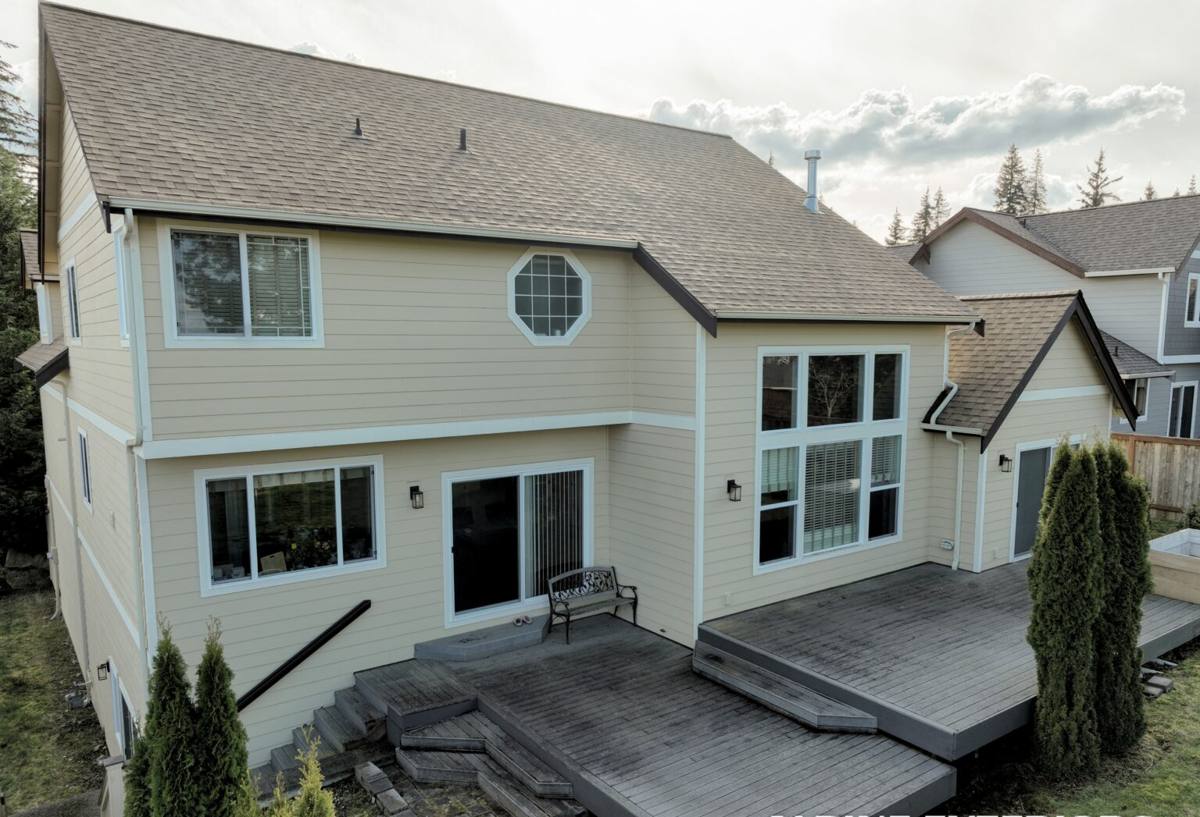
What This Climate Actually Does to a Deck
Before talking about how we build, it's worth understanding what a Clearwater deck is up against over the course of a normal year, not just during a storm.
UV and Heat
Florida's sun is harder on exterior wood and composite surfaces than most people expect. UV exposure breaks down the lignin in wood fibers, causing graying, splintering, and surface checking over time. Cheaper composite boards without adequate UV stabilizers can fade unevenly or become brittle at the surface. Dark decking materials also absorb significant heat, which matters both for comfort underfoot and for how the material expands and contracts.
Wind-Driven Rain and Humidity
Clearwater doesn't just get rain — it gets rain pushed sideways by wind, which finds its way into joints, fastener holes, and the point where a deck attaches to the house. Combined with high ambient humidity most of the year, any spot where water can collect or get trapped against wood becomes a slow-motion rot problem.
Salt Air
Even homes that aren't directly on the water get measurable salt exposure this close to the Gulf. Salt accelerates corrosion in fasteners, joist hangers, and any exposed metal hardware. A deck built with the wrong grade of screws or connectors can develop rust streaks and weakened connections years before the decking itself wears out.
Storm and Wind Loading
Hurricane-force wind events are a real design consideration here, not a hypothetical. A deck's structural connections — especially how it ties into the house and how the posts are anchored to their footings — need to be built to handle uplift and lateral load, not just support foot traffic.
Choosing the Right Decking Material
There's no single "best" decking material for every home — it depends on budget, how much upkeep you're willing to do, and how close you are to the water. Here's how the common options compare specifically under Clearwater conditions.
| Material | How It Handles This Climate | Maintenance | Typical Lifespan Here |
|---|---|---|---|
| Pressure-treated pine | Affordable, but prone to graying, splintering, and fastener corrosion if hardware isn't matched correctly | Needs sealing/staining every 1-2 years in this UV and humidity | 10-15 years with consistent upkeep |
| Tropical hardwood (e.g., ipe-type species) | Naturally dense and rot-resistant, handles humidity well, but still grays without maintenance | Occasional oiling to maintain color; low structural maintenance | 20-25+ years |
| Standard composite | Resists rot and splintering; quality varies a lot by brand and UV stabilization | Periodic cleaning; no sealing or staining | 15-25 years depending on product |
| Capped composite / PVC | Best resistance to fading, moisture intrusion, and salt exposure among low-maintenance options | Occasional washing only | 25-30+ years |
We'll walk through these trade-offs with you honestly, including where a lower-cost material makes sense and where spending more up front saves money in re-do work down the line.
What a Properly Built Deck Involves Here
The decking surface is what you see, but it's the parts you don't see that determine whether a deck lasts 10 years or 25 in this climate.
Ledger and House Attachment
Where the deck ties into the house is the single most common failure point on decks in wet, humid regions. Proper flashing behind the ledger board keeps wind-driven rain from tracking behind it and rotting the rim joist or sheathing. We flash this connection correctly every time — it's not an optional step.
Footings and Posts
Footing depth and post anchoring have to account for both soil conditions and wind uplift, not just vertical weight. We size and place footings based on the deck's height, span, and exposure, following local building code requirements rather than guessing.
Fasteners and Hardware
This is where a lot of otherwise decent decks fail early in coastal areas. We use fasteners and structural connectors rated for corrosion resistance appropriate to salt-air exposure — mismatched or bargain-grade hardware is a common shortcut that shows up as rust stains and loosened connections within a few years.
Drainage and Airflow
Decking gaps, joist spacing, and under-deck ventilation all affect how quickly the structure dries out after rain. Trapped moisture under a deck is one of the fastest ways to shorten its life, so we design for airflow underneath as deliberately as we design the surface on top.
Our Process for a Custom Deck Build
- Site visit and design conversation. We look at your yard, sun exposure, house attachment point, and how you actually want to use the space, then talk through material and layout options.
- Permitting. We handle the plans and permitting through the appropriate local building department so the structure is inspected and code-compliant.
- Framing. Footings, posts, ledger, and joists go in first, with every structural connection built to the load and wind requirements for this area.
- Decking and railing installation. Surface material and railing go on with attention to fastening pattern, spacing, and finish details.
- Final walkthrough. We go over the finished deck with you, including how to care for the specific material you chose.
Cost Factors to Expect
Every deck is priced around its own footprint, height, material, and site conditions, so we won't quote a number without seeing the property — but these are the main factors that move the price up or down.
| Factor | Why It Matters |
|---|---|
| Decking material | Pressure-treated lumber costs less up front than composite or PVC, but composite and PVC typically cost less over the deck's lifetime due to lower maintenance |
| Deck height and grade change | Taller decks need deeper footings, more framing, and often railings, which adds material and labor |
| Size and shape | Multiple levels, curves, or built-in features (benches, planters) add complexity beyond a simple rectangle |
| Railing style | Wood, aluminum, and cable railing systems vary widely in material cost and corrosion resistance |
| Site access and existing conditions | Tight side yards, existing patios, or drainage issues can add labor time |
Maintaining a Clearwater Deck
Whatever material you choose, a little regular attention goes a long way in this climate. Here's what we recommend to homeowners after installation:
- Rinse off salt residue and debris every few weeks, especially if you're near the water
- Sweep leaves and organic debris out of gaps between boards so moisture doesn't sit trapped
- Check railing and stair connections for looseness once or twice a year
- For wood decks, reseal or stain on the schedule appropriate to the species — don't wait until graying is severe
- Inspect under-deck framing annually for any signs of moisture staining or corrosion at hardware
- After any significant storm, do a quick visual check of post anchors and the ledger connection
Why It Matters to Hire a Crew That Works This Area
A contractor who mostly builds decks in drier, inland climates isn't necessarily thinking about ledger flashing details, corrosion-rated hardware, or wind-load connections the same way a crew that works Clearwater and the broader Tampa Bay area every week does. We see how decks in this specific environment actually age — which fastener choices hold up, which material combinations cause problems, and which shortcuts show up as callbacks two or three years later. That local, repeated exposure to the same climate conditions is exactly why we build the way we do, and it's why we're comfortable standing behind the work.
We also know the local permitting process for Pinellas County jurisdictions, which keeps your project moving instead of stalling on paperwork or code questions.
Get a Free Estimate
If you're thinking about adding or replacing a deck at your Clearwater home, we're happy to come take a look, talk through material options honestly, and put together a straightforward estimate — no pressure, no upsell tactics. Use the form below to get started.