 Tampa Roofing
 Why Clearwater Homes Need Siding That Can Take a Beating
Clearwater sits close enough to the Gulf that salt air is a daily fact of life, not an occasional nuisance. Add in Tampa Bay's intense year-round UV exposure, the wind-driven rain that comes with every strong summer storm, and the real possibility of hurricane-force winds during the season, and you have one of the toughest climates in the country for exterior building materials. Siding here doesn't just need to look good on install day — it needs to survive a decade of salt, sun, and storms without cupping, rotting, cracking, or fading.
This is why we install James Hardie fiber cement siding exclusively on Clearwater homes. It's not the only siding product on the market, but it's the one engineered specifically for climates like this one, and it's the one we're willing to put our name behind.
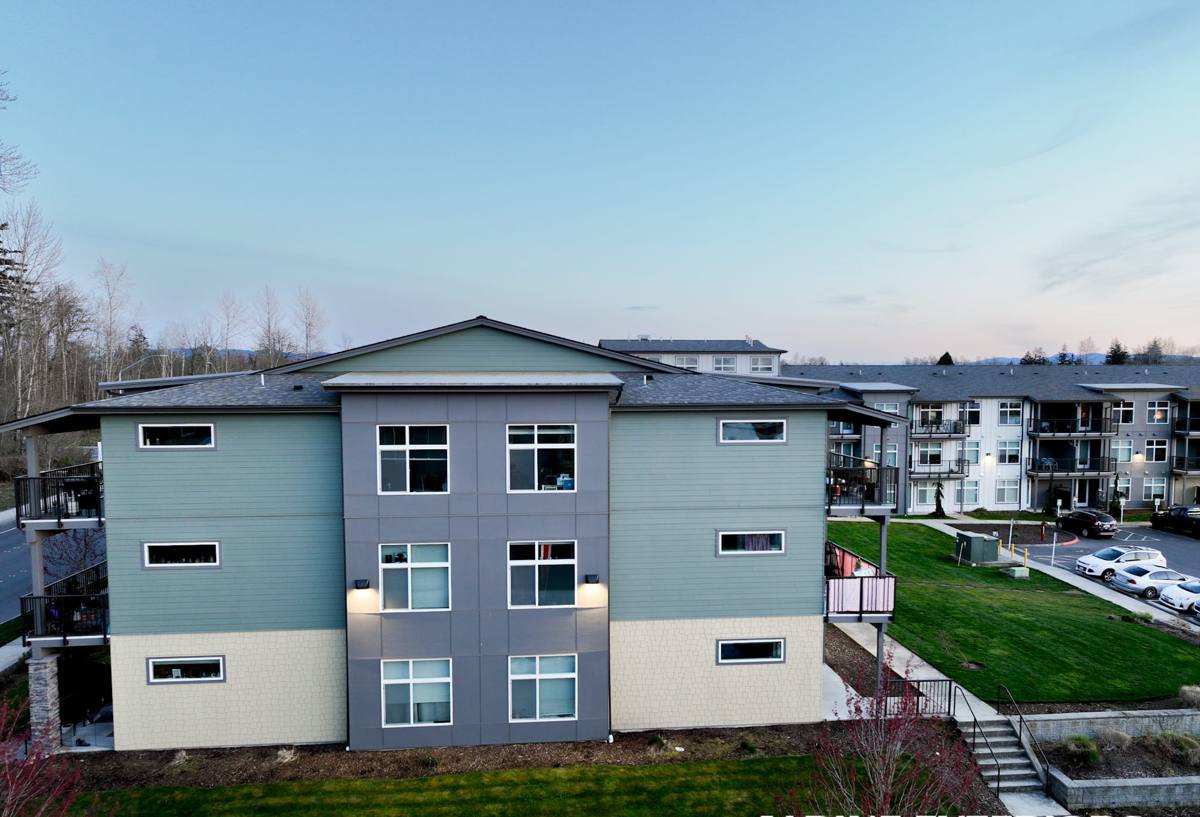
What the Local Climate Actually Does to Siding
Salt Air and Coastal Moisture
Homes near the Gulf coast deal with airborne salt that settles on exterior surfaces and accelerates corrosion of fasteners, hardware, and any material with metal components. Salt-laden humidity also finds its way into seams and joints, and over years it can break down adhesives, coatings, and the wood substrate in engineered wood products.
Year-Round UV Exposure
Florida sun is relentless. Painted wood and vinyl siding both take a beating from constant UV — paint chalks and fades, vinyl can warp, discolor, or become brittle over time. A factory finish that's actually engineered to resist UV breakdown matters far more here than in a milder climate.
Wind-Driven Rain
Summer storms in this part of Florida don't just drop rain straight down — wind pushes it sideways, forcing water into any gap, seam, or poorly flashed joint in a wall assembly. Siding that isn't installed with proper water management behind it will eventually let moisture into the wall cavity, regardless of what the siding itself is made of.
Hurricane-Force Wind Loads
Hillsborough and Pinellas County homes are built to wind-load standards for a reason. Siding that isn't rated and fastened correctly for high-wind zones can lift, crack, or blow off entirely during a tropical storm or hurricane — and once siding fails, the wall assembly behind it is exposed.
Why We Install Only James Hardie in This Market
James Hardie fiber cement is non-combustible, dimensionally stable, and manufactured in HZ5 formulations specifically engineered for hot, humid, high-moisture climates like Florida's Gulf coast. Unlike vinyl, it doesn't soften or warp in direct sun. Unlike primed wood, spruce, or cedar, it doesn't rely on a paint film alone to keep moisture out — the material itself resists moisture-driven swelling and rot. And unlike some competing fiber cement products, Hardie's ColorPlus factory finish is baked on and warrantied against fading, chipping, and cracking, which matters enormously under Florida's UV load.
We don't install LP SmartSide, vinyl, Cemplank, Allura, or primed wood siding. That's a deliberate standard, not a lack of options. Each of those products has legitimate uses in other markets or budgets, but for a coastal Tampa Bay climate, we've seen enough of how they age here to know they're not what we want backing our workmanship.
| Material | How It Handles Salt Air & UV | Wind/Storm Resistance | Long-Term Maintenance |
|---|---|---|---|
| James Hardie Fiber Cement | Engineered HZ5 formulation, ColorPlus factory finish resists fading | Rated and fastened for high-wind installation; non-combustible | Low — no repainting needed for years with ColorPlus |
| Vinyl Siding | Can fade, warp, or become brittle under sustained UV and heat | Lighter panels more prone to wind uplift and cracking | Low cost but shorter realistic lifespan in this climate |
| Primed Wood/Spruce/Cedar | Vulnerable to moisture absorption, rot, and paint breakdown | Performance depends heavily on installation and upkeep | High — regular repainting and moisture monitoring required |
| Other Fiber Cement Brands | Varies by manufacturer's finish and formulation | Varies; check specific wind-load ratings | Depends on finish warranty and factory coating quality |
What a Correct Installation Involves on a Clearwater Home
Fiber cement siding is only as good as the installation behind it. A rushed or generic install can undermine even the best material, especially in a climate this demanding. On every Clearwater project, our process includes:
- Full removal of old siding and inspection of the sheathing underneath for hidden moisture damage or rot
- Repair or replacement of any compromised sheathing before new material goes up
- Installation of a proper weather-resistive barrier and correctly lapped, sealed flashing at every window, door, and penetration
- Fastening patterns and clearances that match James Hardie's published specifications for high-wind coastal zones
- Correct joint treatment and caulking at seams, using products compatible with Hardie's warranty requirements
- Final inspection for consistent reveal lines, proper clearance from grade and roofline, and finish quality
Skipping any one of these steps is how homeowners end up with siding that looks fine for a year or two and then starts showing problems — bowing panels, water intrusion at corners, or fastener failure in a storm. Correct installation is what actually delivers on the material's engineering.
Choosing the Right Hardie Product Line
James Hardie offers several siding profiles and product lines, and the right choice for a Clearwater home depends on architectural style, budget, and how much of the exterior needs replacement.
HardiePlank Lap Siding
The most common choice for traditional and coastal-style homes in this area. Available in a range of textures and exposures, and it's the workhorse product for whole-home siding replacement.
HardieShingle
Used for accent areas, gables, or homes going for a more textured, cottage-style look. Popular as a complement to lap siding rather than a full-home solution.
HardiePanel
A vertical panel option often used for modern or transitional exteriors, or in combination with lap siding for architectural contrast.
In every case, we spec HZ5 formulations and ColorPlus factory-finished color options, which matters more in a high-UV, high-salt environment than it would somewhere inland.
Our Process, Start to Finish
- Assessment: We walk the exterior, check existing siding and sheathing condition, and note any moisture or storm damage that needs addressing before new siding goes up.
- Estimate and product selection: We walk through Hardie product lines, textures, and ColorPlus color options based on your home's style and budget.
- Preparation: Old siding comes off, sheathing is inspected and repaired as needed, and the weather barrier and flashing are installed correctly the first time.
- Installation: Siding goes up to manufacturer spec for fastening, clearance, and joint treatment — built for this region's wind and moisture conditions, not a generic install.
- Final walkthrough: We inspect the finished work with you before calling the job done.
What Drives Cost on a Siding Project
| Factor | Why It Matters |
|---|---|
| Home size and wall complexity | More linear footage, corners, and architectural detail increase material and labor time |
| Sheathing condition | Hidden rot or moisture damage found during tear-off requires repair before new siding goes up |
| Product line and profile | HardiePlank, HardieShingle, and HardiePanel differ in material and installation complexity |
| Color and finish | ColorPlus factory finishes vary in cost from field-painted options but reduce long-term maintenance |
| Trim and accent work | Custom trim, accent walls, or mixed profiles add labor beyond straightforward lap siding |
We give every homeowner a clear, itemized estimate before work begins — no vague allowances, no surprise change orders for things we could have identified up front.
Why Hiring a Crew That Already Works Clearwater Matters
Fiber cement siding installation isn't forgiving of guesswork, and a coastal climate isn't forgiving of installers who don't already understand its demands. A crew that regularly works in Clearwater and the broader Tampa Bay area already knows how to detail flashing for wind-driven rain, how to fasten for local wind-load requirements, and what sheathing problems tend to show up on homes of this area's age and construction style. That local experience shows up in fewer surprises during tear-off and a finished product that's actually built for what this climate throws at it — not a generic installation adapted after the fact.
Signs Your Current Siding May Already Be Failing
- Visible warping, bowing, or gaps between siding panels
- Soft or spongy spots when pressed, especially near the bottom of walls or around windows
- Persistent staining, streaking, or mildew growth that keeps returning after cleaning
- Paint that's chalking, peeling, or fading unevenly across the exterior
- Visible fastener corrosion or popped nails/screws
- Interior signs like peeling paint, musty smell, or soft drywall near exterior walls
If you're seeing any of these, it's worth having the siding and underlying sheathing evaluated before small problems turn into structural repairs.
If your Clearwater home's siding is showing its age or you're planning ahead of storm season, we're happy to take a look and walk you through honest options — no pressure, no upsell. Fill out the form below for a free estimate.