 Tampa Roofing
 Windows in South Tampa Work Harder Than Windows Almost Anywhere Else
South Tampa sits close enough to Hillsborough Bay and the Gulf that its homes take on conditions most of the country never deals with. Salt-laden air moves in off the water, summer storms bring wind-driven rain that attacks windows sideways instead of straight down, and the sun is intense and constant for most of the year. Add the real possibility of a hurricane or tropical storm each season, and a window isn't just a place to let light in — it's one of the more exposed parts of the building envelope.
A window that would hold up fine in a milder climate can start failing here within a few years: seals go soft, frames warp or pit, glass haze from UV exposure, and hardware corrodes from the inside out. If you're replacing windows in South Tampa, the product and the installation both need to be chosen with that reality in mind, not with a generic national spec sheet.
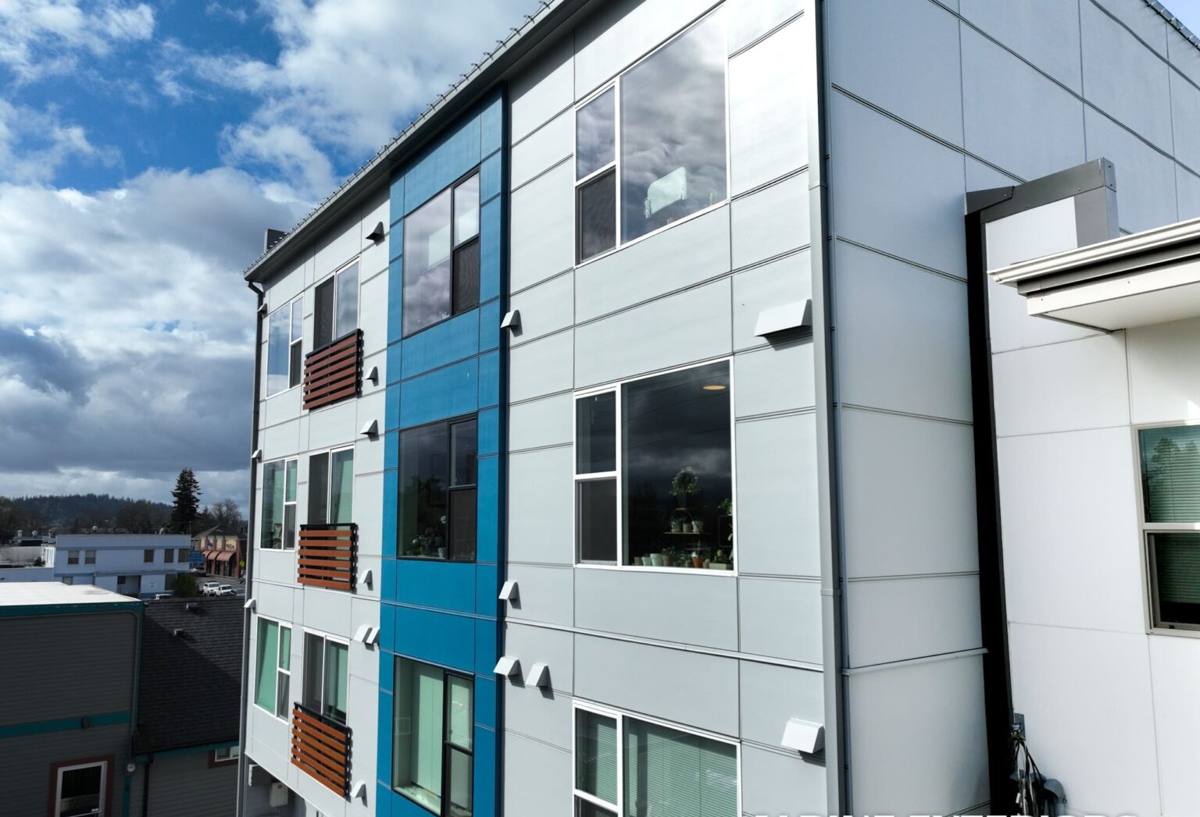
What Coastal Tampa Conditions Actually Do to a Window
Wind-Driven Rain and Water Intrusion
Most window leaks in this area aren't caused by rain falling on the glass — they're caused by rain being pushed sideways and upward by wind, finding any gap in the flashing, sealant, or frame joint, and working its way behind the trim and into the wall cavity. By the time a homeowner sees a stain on drywall or trim, water has usually been getting in for a while. Correct flashing and sealing at installation matters more here than almost anywhere else in the state.
Salt Air and Corrosion
Even homes that aren't waterfront get salt exposure carried on the breeze. Over time it attacks unprotected fasteners, aluminum components without the right coating, and hardware that isn't rated for a marine-influenced environment. This shows up as pitting, streaking, and hardware that gets stiff or seizes years before it should.
UV and Heat Load
Florida sun is intense nearly year-round. Cheap or aging glass lets in more heat and UV than it should, which drives up cooling costs and fades flooring, furniture, and window treatments. It also accelerates the breakdown of vinyl frames and seals that aren't formulated for sustained UV exposure.
Wind Pressure
Hillsborough County sits in a wind zone where windows need to resist real structural pressure during storms, not just look sturdy. A window that isn't rated and installed correctly for the pressures it will see is a weak point in the whole structure during high wind events.
Impact-Rated vs. Standard Windows: What's Actually Different
Homeowners often ask whether impact windows are worth it, or whether standard windows with separate shutters are enough. Both are legitimate approaches under Florida code, but they behave differently day to day and during a storm. Here's an honest comparison:
| Factor | Impact-Rated Windows | Standard Windows + Shutters |
|---|---|---|
| Storm protection | Built into the glass and frame; always in place | Only effective if shutters are deployed before the storm |
| Daily use | No extra steps; works like a normal window | Requires storing, installing, and removing shutters each event |
| Upfront cost | Higher per window | Lower per window, but adds shutter cost |
| Noise and UV reduction | Laminated glass cuts outside noise and UV noticeably | No change unless upgraded glass is also used |
| Appearance | Frames tend to be slightly heavier-looking | Clean look until shutters go up |
| Insurance considerations | Can factor into wind mitigation credits | Also can qualify, depending on shutter type and rating |
Neither option is wrong. The right call depends on your budget, whether you want one less thing to manage before a storm, and how the home is currently insured. We'll walk through the real trade-offs for your specific house rather than pushing one option by default.
What a Correct Window Replacement Job Involves
Removal and Structural Inspection
Once the old window comes out, the rough opening gets inspected — not just measured. In South Tampa's climate it's common to find some degree of hidden moisture damage around older window openings, especially if the original installation or flashing was done poorly. Any soft wood or compromised sheathing needs to be addressed before a new window goes in, or the new install will fail in the same spot the old one did.
Flashing and Water Management
This is the step that determines whether the window leaks in five years or in twenty. Proper flashing directs any water that gets past the exterior finish back out, rather than into the wall. It needs to be layered correctly — not just caulked over — and integrated with the home's existing weather barrier.
Fastening for Wind Load
Impact and wind-rated windows only perform to their rating if they're fastened per the manufacturer's engineering specs — correct fastener type, spacing, and embedment into structural framing, not just into trim or stucco. This is one of the most common shortcuts on rushed installs, and it's invisible once the trim goes back on.
Sealing and Finish
Exterior sealant needs to be a product rated for sun and salt exposure, applied at the right joints — not smeared everywhere as a catch-all. Interior finish work should leave the window looking clean and match the surrounding trim, with no gaps that let conditioned air escape.
Choosing a Frame Material for This Climate
Vinyl
Vinyl is a common, budget-friendly choice and performs well when it's a quality formulation with UV inhibitors — cheaper vinyl can discolor and become brittle faster under constant Florida sun. It doesn't corrode, which is a real advantage near the coast.
Aluminum
Aluminum frames are strong and can be built to hold larger glass sizes, which matters for impact-rated units. The trade-off is that aluminum conducts heat more than vinyl unless it has a proper thermal break, and any exposed fasteners or hardware need coatings suited to salt air.
Fiberglass
Fiberglass holds up extremely well against heat, humidity, and UV, and it doesn't expand and contract as much as vinyl in temperature swings. It typically costs more upfront but is a low-maintenance option over the long run.
We don't push one material as universally "best" — the right choice depends on your home's style, budget, and how the window will be used. What we won't do is install a low-grade product in a high-exposure spot just because it's cheaper up front; that's a callback waiting to happen, and it's not worth it for either of us.
Glass Packages Worth Understanding
- Laminated glass: Two panes bonded with an interlayer — this is what gives impact-rated windows their strength and also cuts outside noise significantly.
- Low-E coatings: A thin coating that reflects heat while still letting visible light through, which helps with cooling costs during Tampa summers.
- Insulated (double-pane) glass: Two panes with a sealed air or gas gap between them, reducing heat transfer compared to single-pane glass.
- Tint and reflective options: Can further reduce glare and heat gain on west- and south-facing windows that take the most direct sun.
Permits and Code in Hillsborough County
Window replacement in this area requires a permit, and the windows themselves need to meet the wind pressure and impact requirements for your home's specific wind zone under Florida Building Code. This isn't paperwork for its own sake — it's what confirms the products and installation can actually take the loads they're rated for. We handle the permitting and inspection process as part of the job, so you're not left tracking down approvals or explaining to an inspector why something wasn't done to spec.
Skipping permits, or having a contractor talk you out of pulling one, is a red flag. Unpermitted window work can complicate insurance claims and create problems when you go to sell the home.
Our Process for South Tampa Window Replacement
- On-site assessment: We look at your current windows, the condition of the openings, and how sun and wind hit different sides of the house.
- Honest product recommendation: We explain the real trade-offs between options for your budget and exposure — no upsell for its own sake.
- Written estimate: Clear scope, materials, and pricing before any work starts.
- Permitting: We pull the required Hillsborough County permits and schedule inspections.
- Removal and opening inspection: Old windows come out, and we check for hidden moisture or structural issues before proceeding.
- Correct installation: Flashing, fastening to structural framing, and sealing done to manufacturer and code specs.
- Final walkthrough: We check operation, seals, and finish with you before calling the job done.
Why the Local Crew Matters
Window replacement done to a generic national standard can still fail in South Tampa if it wasn't built for this specific mix of wind, salt, and rain. A crew that regularly works in Hillsborough County has already dealt with the county's permitting process, understands the wind zone requirements for this part of Tampa, and knows what deteriorated flashing and moisture damage look like on homes of the age and construction common in this area. That familiarity shows up in fewer surprises, fewer callbacks, and a job that's actually built for the conditions it has to survive — not just the conditions on a spec sheet.
If you're weighing your options for South Tampa window replacement, we're happy to take a look at your home and give you a straight answer on what it needs. Fill out the form below for a free, no-pressure estimate.